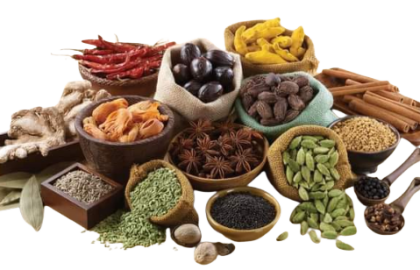
Sri Lankan cooking is known for its vibrant aromas and layered flavours. But there isn’t just one spice blend behind every dish. The island’s pantry brings together fragrant bark, seeds, leaves, souring ingredients and distinctive seasonings, used in different ways from region to region and household to household.
This guide to an essential Sri Lankan spices list introduces the cupboard’s best-known ingredients and the roles they play in cooking culture. It’s a useful starting point whether you’re rediscovering familiar flavours or exploring them for the first time.
A quick note: Curry leaves, pandan, goraka and Maldive fish are not all spices in the botanical sense. They belong here because of their important place in Sri Lankan flavour traditions.

Known locally as kurundu, Ceylon cinnamon (Cinnamomum verum) is prized for its delicate, sweet aroma and thin, layered quills. It can bring gentle warmth to savoury dishes, sweets and drinks. Sri Lanka is closely associated with this distinctive cinnamon, often called “true cinnamon.”
Small but intensely aromatic, cardamom adds sweet, floral notes with a hint of citrus. In Sri Lankan cooking, it appears in spice blends and lends fragrance to both savoury and sweet preparations.
Cloves offer a deep, warming aroma and a concentrated flavour, so a little can go a long way. They often complement other whole spices in blends and festive or richly spiced dishes.
Called gammiris, black pepper brings a direct, earthy heat. It is used whole, cracked or ground, and contributes both pungency and aroma to Sri Lankan spice combinations.
Nutmeg is the seed of a tropical fruit; mace is the delicate, lacy covering around that seed. Both are fragrant and warming, with mace generally offering a lighter, more delicate character. They are used in small amounts in spice blends and selected savoury or sweet foods.

Coriander seed has a warm, gently citrusy aroma and is a foundation of many Sri Lankan curry powders and spice mixtures. It is commonly used whole or ground, and may be roasted for a deeper aroma.
Cumin has a savoury, earthy character. It is often paired with coriander in spice blends, where it helps build a rounded, aromatic base.
With its gently sweet, anise-like fragrance, fennel seed brings a softer aromatic note. It is used alongside coriander and cumin in traditional blends.
Fenugreek seeds are small, but their slightly bitter, distinctive flavour is noticeable. They are generally used sparingly and appear in spice mixtures and savoury cooking.
Known as kaha, turmeric gives many dishes a golden hue and an earthy, warm note. It is a familiar ingredient in Sri Lankan kitchens, whether used fresh or in powdered form.
Dried red chillies bring colour and heat, with the intensity varying by type and preparation. They are one of the most recognisable ingredients in Sri Lankan cooking, contributing to the lively character of many curries and accompaniments.

Karapincha, or curry leaves, are valued for their fresh, distinctive fragrance. Often used in tempering, the brief heating of aromatics in oil, they help create an inviting aroma at the beginning of a dish.
Known as rampe, pandan is a long, fragrant leaf used to lend a gentle, grassy aroma. It is valued in rice dishes and other preparations, where its scent adds a subtle layer rather than a strong heat.
Lemongrass has a bright, citrus-like fragrance. It is used as an aromatic in some meat and fish preparations, helping balance richer flavours.
Goraka is a dried, tangy fruit used as a souring ingredient, particularly in some fish preparations. Its distinctive sharpness gives certain Sri Lankan dishes their characteristic tart note.
Called umbalakada, Maldive fish is a traditional dried, smoked fish seasoning, not a spice, but an important flavouring in Sri Lankan food culture. Its concentrated savoury taste adds depth to a range of accompaniments and cooked dishes.
One traditional blend you may encounter is thuna-paha, meaning “three spices.” The name generally refers to a combination of coriander, cumin and fennel, though blends can vary. Other Sri Lankan spice mixtures may include ingredients such as cinnamon, cloves, pepper, turmeric or curry leaves.
The blend is only part of the story. Whole spices, ground spices and roasted spices each bring a different aroma and character. That variety is one reason a Sri Lankan spice cupboard can feel both practical and wonderfully expressive.
For more detail about a particular blend, explore Sri Lanka Stores’ spice collection and its traditional roasted curry powder.
There’s no single right answer. Choose based on how often you cook and how you like to use your spices.
When shopping, check the package for ingredient details, origin, weight and best-before information. For specialty products such as goraka or Maldive fish, look for clear product descriptions so you know what you’re adding to your pantry.
Spices keep their character best when protected from heat, moisture, sunlight and strong nearby aromas. Store them in clean, tightly closed containers in a cool, dry cupboard. Keep dried leaves and whole spices sealed between uses, and avoid reaching into containers with a damp spoon.
Buy amounts that suit your household or business and how often you use each ingredient. If an aromatic spice has lost much of its characteristic scent, it may be time to replace it. For more specific storage guidance, follow the instructions on each product’s packaging.
You don’t need to buy everything at once. Start with ingredients that represent different kinds of flavour:
Then add fennel and fenugreek to explore traditional spice blends, followed by nutmeg, mace or lemongrass as your interests grow. If you’re buying for a shop, restaurant or other business, Sri Lanka Stores also lists bulk options on selected products.
Sri Lanka Stores helps bring authentic Sri Lankan products within reach for personal shoppers and businesses around the world. Check the current shipping information for delivery details, including international orders.
The heart of a Sri Lankan spice cupboard is variety: the gentle sweetness of cinnamon, the brightness of curry leaves, the warm fragrance of roasted seeds and the distinctive tang of goraka. Start with the flavours that speak to you, and let your collection grow over time. May every new discovery bring a little more of Sri Lanka’s vibrant food heritage into your home.
Further reading: Indigenous and traditional foods of Sri Lanka · Sri Lanka Tourism: Spice Gardens