A cup of Ceylon tea can bring together a distinctive aroma, a sense of place and a proud heritage of tea craftsmanship. But what does “Pure Ceylon Tea” actually mean, and how can you feel confident you’re buying tea with a genuine Sri Lankan origin?
The key is provenance: where the tea was grown and made, and what standards apply to the finished product. Here’s how to understand the meaning of pure Ceylon tea, what the Sri Lanka Tea Board’s Lion Logo represents, and what to consider when shopping online.
Ceylon is the historic name associated with Sri Lanka, and Ceylon tea refers to tea produced in the country. For tea to qualify as 100% Pure Ceylon Tea, its tea leaves must come from Sri Lanka, not from a blend that combines Sri Lankan tea with tea grown elsewhere.
That doesn’t necessarily mean every leaf must come from one garden. Tea from different Sri Lankan regions or estates may be blended while still being entirely Sri Lankan in origin. The important distinction is that regional blending within Sri Lanka is different from adding tea grown in another country.
“Pure” also doesn’t automatically mean organic, single-estate or a particular grade. Those terms describe other qualities:
Understanding these differences helps you choose a tea that matches your preferences without relying on a single marketing phrase.
The Lion Logo is owned and trademarked by the Sri Lanka Tea Board. According to the Board, it is a guarantee that the tea in the consumer pack is 100% Pure Ceylon Tea packed in Sri Lanka. Its use is controlled: brands and packs must be approved through the Board’s registration process.
There’s an important detail for online shoppers. A pack without the Lion Logo is not automatically proof that its tea isn’t from Sri Lanka. The Logo has specific licensing and Sri Lankan-packing requirements, so tea that meets the origin standard may be sold in another type of packaging without displaying it. At the same time, a Sri Lankan-sounding brand name or scenic imagery alone cannot confirm a tea’s origin.
For a clear understanding of the mark and its conditions, consult the Sri Lanka Tea Board’s Lion Logo guidance.
Yes. Ceylon tea isn’t limited to one colour or processing style. Black, green and white teas can all be made from Sri Lankan-grown tea leaves. What changes is how the leaves are processed, and the resulting cup can vary in aroma, appearance and character.

The Sri Lanka Tea Board’s Ceylon tea overview explains the country’s tea identity and range. A tea’s colour tells you about its style, not by itself whether its origin is pure Ceylon.
A flavoured or blended tea needs a little more attention. A product may contain Ceylon tea alongside spices, flowers or other ingredients, or it may combine tea from different countries. If you’re specifically looking for 100% Pure Ceylon Tea, check that the product’s origin and ingredients align with that preference.
Authentic origin is an important part of the story, but freshness affects what you experience in the cup. Tea can gradually lose some of its aroma and character when exposed to air, humidity, heat, light or strong smells.
When you shop, look for clear product information, a well-sealed pack and a best-before or lot date where available. Consider the quantity you’re likely to enjoy while it’s at its best. A smaller pack can be practical if you’re trying a new tea; a larger one may suit a regular drinker or a business buyer with steady demand.
After opening, transfer loose tea to an airtight container and keep it in a cool, dry, dark place. Store it away from spices, coffee and other strong-smelling foods, since tea can absorb surrounding aromas. Avoid humid cupboards and direct sunlight.

Buying tea online gives you access to Sri Lankan products even when you’re far from the island. A few thoughtful checks can make the choice easier:
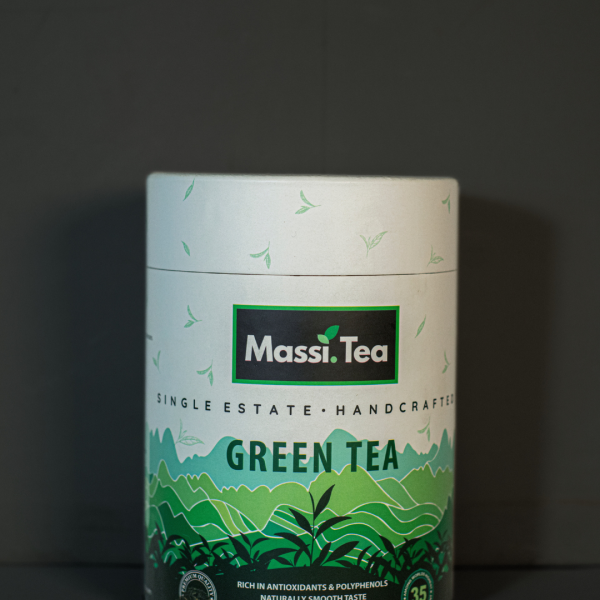
A product page can help you learn more about the tea before you buy. For example, Sri Lanka Stores lists Massi Handmade Green Tea as a single-estate tea, with a 100g size and wholesale pricing options. This is one product listing; check its details to see whether it fits your own origin, style and quantity preferences.
You can also browse the broader Sri Lankan Tea collection or explore the Premium Tea selection. Sri Lanka Stores brings together products from Sri Lankan sellers, making it easier to discover tea while shopping from overseas or sourcing for a business.
Before placing an order, keep these points in mind:
Authenticity isn’t just a logo or a name. It’s the connection between the tea, the place it was grown and the care taken to bring it to you.
Pure Ceylon tea carries the character of Sri Lanka’s tea-growing heritage, whether you prefer a lively black tea, a fresh green style or delicate white tea. When you understand what origin terms and certification marks mean, choosing a tea online becomes a more confident and enjoyable experience.
Explore Sri Lankan tea with curiosity, take time to find the style you love, and may every cup bring a little warmth and connection. Wherever you are.