Along Sri Lanka’s coasts, fishing has always been closely tied to daily life: the rhythm of the sea, the day’s catch and the knowledge of how to preserve it. Karawala, the Sinhala term commonly used for dried fish, grew from this practical coastal tradition. Salting and drying fish helped households preserve the catch and made it possible to trade seafood beyond fishing communities.
Over time, karawala became more than a way to keep fish. Its deep, savoury flavour found a place in kitchens across the island. A little can add a distinctive coastal character to familiar staples, connecting everyday meals with local fishing livelihoods and culinary heritage.
Today, Sri Lankan dried fish comes in many forms, from small sprats and prawns to larger fish cut and dried in pieces. Each variety has its own texture and flavour. And one famous Sri Lankan pantry ingredient, Maldive fish, has a special place of its own.
Karawala is a broad name for dried fish, rather than a single species or one uniform product. Depending on the fish and local practice, it may be salted and sun-dried, or prepared using other traditional methods. Preparation, shape, saltiness and texture can vary.
That variation is part of its story. Across Sri Lanka, dried fish has been sold through coastal markets and carried inland, bringing the characteristic savoury taste of the sea to households far from the shore. Research on Sri Lankan traditional foods also describes the wider role of preservation methods in shaping the island’s food culture. (Journal of Ethnic Foods: Indigenous and traditional foods of Sri Lanka)
The names you encounter may differ by species, region or seller. Here are some familiar types and what makes each distinctive.
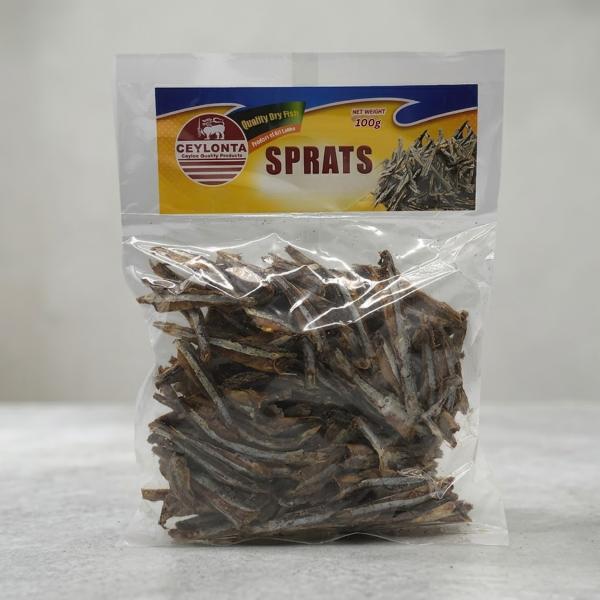
Halmasso is a commonly used name for dried sprats. These small fish have a concentrated, salty flavour and a delicate, crisp texture when cooked. Sardinella is another familiar small-fish variety; Sri Lanka Stores lists dried sprats and dried sardinella among its dried-fish selection.
Larger varieties are often sold as cuts or whole sections. Their firmer texture and pronounced flavour make them a distinct choice from small dried fish. The category includes species such as skipjack and frigate tuna, as well as other marine fish. Explore examples such as dried skipjack tuna and dried frigate tuna.

Small dried prawns, sometimes sold as shrimp, bring a concentrated seafood flavour in a compact form. Names such as koonisso may appear on Sri Lankan product listings. For a different size and colour, the store also lists dried red prawns.

Maldive fish, often called umbalakada, is closely associated with Sri Lankan cooking, but it is not simply another name for ordinary karawala. It is a distinct salted, dried and smoked tuna product. Its firm texture and smoky, savoury taste make it especially valued as a seasoning ingredient.
Sri Lanka’s food regulations define Maldive fish separately and describe quality characteristics including a hard, firm texture and a characteristic reddish-brown appearance when cut. You can find Maldive Fish Grade 01 in the store’s grocery range.
Traditional dried-fish preparation reflects close knowledge of both the catch and the local environment. Fish is cleaned, salted and dried; the precise method varies according to the fish, community and finished product. In some coastal traditions, smoking is also part of the process, especially for Maldive fish.
The result is an ingredient with a lasting presence in Sri Lankan food culture. Its savoury intensity means a small amount can lend a memorable coastal note to a wider meal. That’s one reason karawala has remained a familiar pantry staple across generations, even as products and packaging have changed.
It is also a reminder of the people behind the ingredient: fishing communities, processors, traders and the households that keep food traditions alive. The story of dried fish belongs not only to the shoreline, but to the many Sri Lankan kitchens that have welcomed it into their own foodways.
When you shop for Sri Lankan dry fish online, the product name and description are a good starting point. Check which fish it is, how it is packed and what the seller says about the product’s origin and handling. These details help you choose the variety and quantity that suit your preferences.
A few practical checks can help:
Sri Lanka Stores’ dried-food category includes several varieties, including sprats, tuna, prawns and Maldive fish. Product availability and pack options can vary, so review each listing before you buy.
Follow the storage directions on the product label first. Keep unopened packs in their original packaging and store them as instructed. Once opened, transfer the remaining fish to a clean, tightly sealed container and keep it in a cool, dry place. For longer storage, refrigeration or freezing may help preserve quality; follow the label’s guidance and keep the product well sealed to contain its aroma.
As with any dried seafood, check the product before use. If you notice mould, an unusual odour or a damaged package, do not consume it.
For Sri Lankans living abroad, finding familiar pantry ingredients can help make a faraway kitchen feel closer to home. For curious food lovers, exploring dried fish is a way to learn about the island’s varied coastal traditions: one ingredient and one distinctive flavour at a time.
Sri Lanka Stores brings together authentic Sri Lankan products for personal shoppers and businesses, with international delivery options. Visit the dried-fish and seafood listings to explore available varieties, and review the shipping information for destination details and delivery guidance.
May every discovery bring a little more of Sri Lanka’s vibrant coastal heritage to your table. 🌊