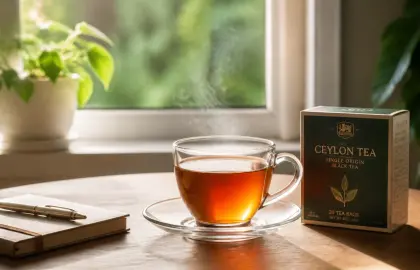
Some teas wake you up. Others bring you home. For many households, buying traditional Sri Lankan tea online is not only about filling the cupboard - it is about finding that unmistakable Ceylon character again: bright liquor, clean aroma, and a cup that feels familiar from the first sip.
Sri Lanka’s tea story is not a passing trend. Ceylon tea has long held its place through flavour, altitude, craft and consistency. When shoppers look for traditional Sri Lankan tea online, they are usually looking for more than a generic black tea. They want origin. They want the briskness of a proper Ceylon brew, the comfort of a trusted blend, or the depth of a leaf that still tastes like the tea served at home after school, during Avurudu visits, or with a plate of short eats in the evening.
That is what sets Sri Lankan tea apart. It is known for clarity rather than heaviness, fragrance rather than muddiness, and a lively finish that works beautifully whether you take it plain, with milk, or with a little sugar. For diaspora buyers in Britain and beyond, that taste can carry memory as much as refreshment. For specialty tea shoppers, it offers a regional identity that is distinct and easy to appreciate.
The word traditional is used rather loosely online, so it helps to know what it should mean in practice. A traditional Sri Lankan tea is rooted in Ceylon tea-growing regions and familiar Sri Lankan drinking habits. That may include classic black tea in loose leaf or tea bag form, regional single-origin teas, and long-loved household blends made for a strong, reliable cup.
Traditional does not always mean rare or expensive. In many homes, the most beloved tea is the one brewed daily in a pot, poured hot and strong, and shared without fuss. It may be a full-bodied blend suited to milk tea, or a cleaner high-grown tea with a lighter finish. The point is authenticity of style and origin.
Packaging can tell part of the story, but not all of it. Heritage cues, Ceylon references and familiar branding matter, yet the real test is whether the tea tastes as it should. A proper Sri Lankan tea should have brightness, structure and aroma. If it looks dull, tastes flat or leaves a rough aftertaste, the label may be doing more work than the leaf.
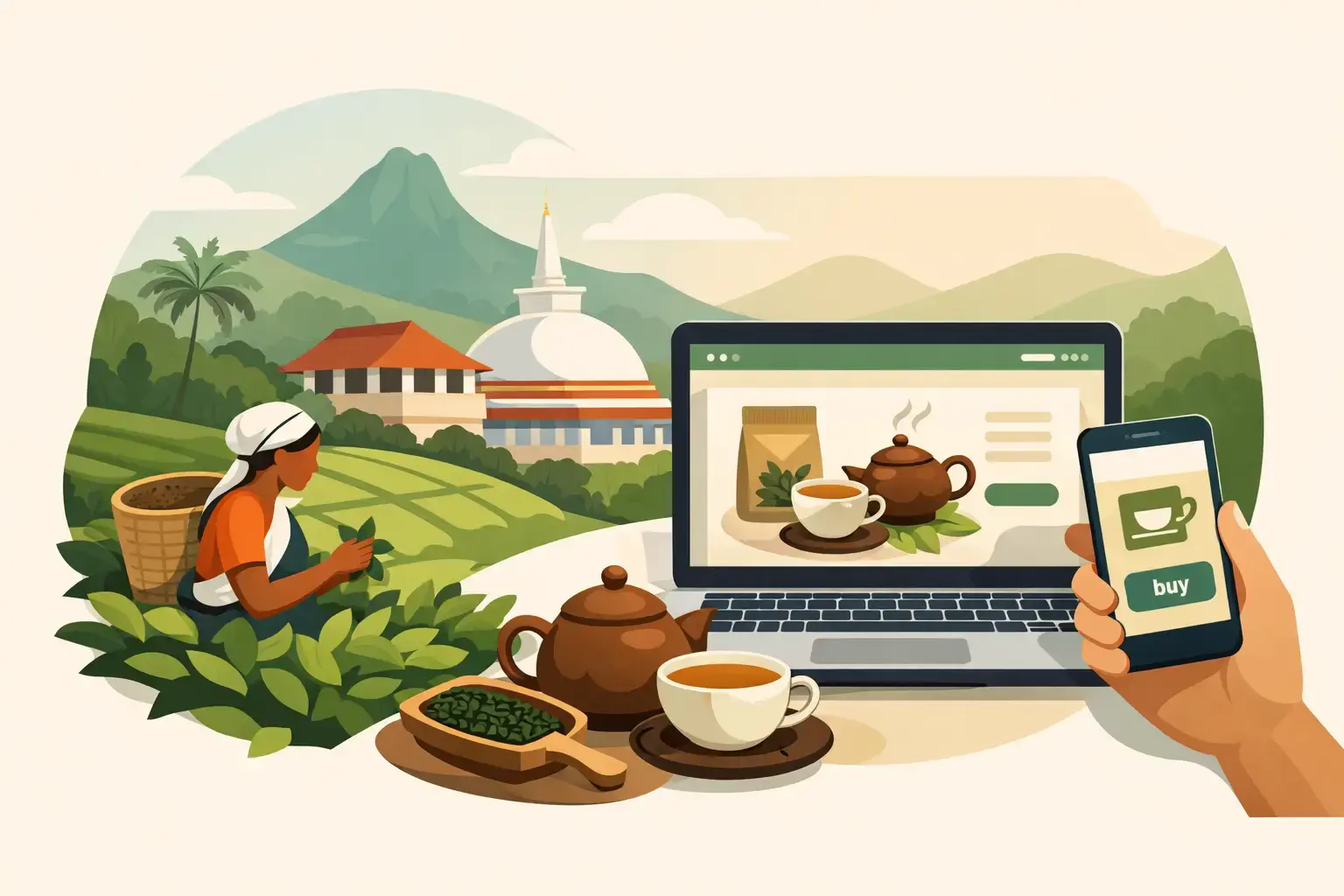
Shopping online has obvious advantages. You can compare styles, browse trusted Sri Lankan brands and send favourite teas to your door without visiting several specialist shops. Still, tea is personal, and not every product suits every drinker.
Start with how you actually drink tea at home. If you prefer tea with milk, look for stronger black teas or breakfast-style Ceylon blends that hold their body after brewing. If you drink tea plain, a high-grown tea may suit you better because it tends to be more delicate and aromatic. If your household drinks several cups a day, practical pack sizes make sense. If you are buying as a gift, presentation and heritage branding may matter more.
The product description should help you picture the cup. Useful cues include whether the tea is loose leaf or bagged, whether it is strong or light, and whether it is blended for everyday drinking or selected for a more distinctive regional profile. Terms such as pure Ceylon tea, single origin and high-grown can be helpful, but only when backed by clear, credible product details.
A broad marketplace with genuine Sri Lankan goods can make this easier because you are not trying to piece together a tea order from unrelated sellers. When tea sits alongside Sri Lankan biscuits, jaggery, spices and festive favourites, the shopping experience feels closer to how people actually buy for the home.
Not everyone is searching for the same cup. One shopper wants the exact tea their parents kept in the kitchen tin. Another wants a refined loose leaf with clear regional character. Someone else is buying for a friend who loves origin-led food and drink.
For daily drinkers, consistency matters most. You want a tea that performs well every morning and never feels weak or stale. For heritage-minded households, brand familiarity often matters just as much as tasting notes. There is reassurance in seeing a trusted Sri Lankan name, especially when ordering from abroad.
For newer tea buyers, the best starting point is often a classic black Ceylon tea rather than something heavily flavoured. Sri Lankan tea has enough character on its own. Once you know whether you enjoy brisk high-grown styles or deeper, fuller blends, it becomes easier to explore further.
There is also a practical difference between loose leaf and tea bags. Loose leaf often offers more aroma and nuance, but tea bags suit busy households and office routines. Neither option is automatically better. It depends on whether convenience or ritual matters more in your day-to-day brewing.
One reason Ceylon tea remains respected worldwide is that Sri Lanka’s tea-growing regions produce noticeably different profiles. Even if you are not buying by district, understanding origin helps you shop more confidently.
Higher-grown teas are usually brighter, lighter and more fragrant. They suit drinkers who enjoy a cleaner finish and a tea that can be appreciated without milk. Mid-grown and lower-grown teas tend to bring more body and richness. They are often excellent for a stronger breakfast cup or for tea made the way many Sri Lankan families prefer it - brewed well and served with milk and sugar if desired.
This is where online shopping can either help or frustrate. A good listing tells you enough about the tea’s style to guide your choice. A vague listing that says only premium or finest is less useful. Tea is not one-note. The right product description should respect that.
When buying traditional Sri Lankan tea online, trust matters as much as taste. Origin-specific marketplaces and specialist retailers are often a better fit than broad general platforms because they understand the products culturally as well as commercially.
Look for clear references to Sri Lankan sourcing, proper product naming, recognisable tea brands and realistic descriptions. Authentic sellers usually present tea as part of a wider Sri Lankan pantry and lifestyle offering, not as an isolated novelty item. That context matters. It shows the tea belongs to a living food culture, not a borrowed aesthetic.
Freshness is another point people overlook. Tea is shelf-stable, but it is still best when stored well and sold with care. Good packaging, sealed formats and sensible stock rotation help preserve flavour. If you are paying for genuine Ceylon tea, you want that first cup to prove it.
Tea rarely stands alone in Sri Lankan life. It belongs with conversation, visitors, rain, celebrations and small bites from the kitchen. That is one reason people often buy it together with other familiar goods.
A strong Ceylon tea works beautifully with traditional sweets, savoury snacks and evening treats. If you enjoy a softer, more aromatic brew, it pairs well with lighter biscuits or a quiet afternoon break. For gifting, tea becomes even more meaningful when chosen with complementary Sri Lankan favourites that reflect the warmth of home.
This is where a curated marketplace comes into its own. Instead of searching in fragments, you can build a basket that feels complete - tea for the cupboard, sweets for sharing, and perhaps a few staples that bring everyday Sri Lankan cooking back into reach. Sri Lanka Stores speaks to that practical need while keeping authenticity at the centre.
Not all online tea shopping is equal. Some buyers want the lowest price and fastest checkout. Others care more about provenance, trusted brands and whether the tea genuinely tastes like Sri Lanka. Usually, the best choice sits somewhere in the middle: fair value, clear origin and a product range that respects tradition rather than flattening it.
That balance is what makes the search worthwhile. A good tea is never only a beverage. It is part of how a household begins the day, welcomes a guest or keeps a connection to home alive across distance. Choose the tea that fits your table, your taste and your traditions, and the cup will do the rest.