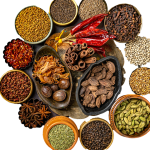
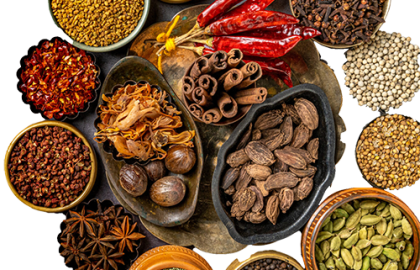
A curry can look right and still taste flat. The difference is often in the spice tin, not the recipe. When you buy authentic Ceylon spices online, you are not simply topping up the pantry - you are choosing aroma, origin and the kind of depth that gives Sri Lankan cooking its unmistakable character.
For many households, that choice is personal. It might be the scent of roasted curry powder that reminds you of home, the brightness of true Ceylon cinnamon in milk tea, or the warmth of black pepper and cloves in a festive dish. For others, it is about finding spices with a clear identity rather than anonymous supermarket blends. Either way, shopping online can be the easiest route to better flavour, provided you know what to look for.
Sri Lanka has a long spice heritage, and that heritage shows up in the details. Ceylon cinnamon is the obvious example. It is finer, sweeter and more delicate than cassia, with soft layers that crumble rather than hard bark that needs force to break. The distinction matters in baking, tea, desserts and savoury cooking alike.
The same goes for cloves, cardamom, black pepper and curry powders sourced from Sri Lanka. Authenticity is not only a matter of national pride, though that matters too. It affects freshness, balance and flavour. Spices grown, packed and sold with clear origin tend to have more character than generic products blended for mass shelves.
There is also a practical reason. Many shoppers in Britain and elsewhere struggle to find reliable Sri Lankan ingredients in one place. Local world food aisles can be hit and miss, and general marketplaces often mix genuine regional products with poorly labelled alternatives. Buying from a specialist Sri Lankan marketplace removes much of that guesswork.
Authentic does not mean expensive for the sake of it, and it does not mean every product must come in ornate packaging. It means the product has a credible link to Sri Lanka, clear naming, and the flavour profile you would expect from that spice or blend.
Start with origin. If a product is presented as Ceylon cinnamon, the listing should make that plain rather than using vague wording such as cinnamon sticks or ground cinnamon without any origin clue. The same principle applies to spice blends. A Sri Lankan roasted curry powder should look and sound like a Sri Lankan product, not a generic curry mix rebadged with a tropical design.
Then look at the ingredient information. Pure spices should name the spice clearly. Blends should be specific about what is included. If a curry powder contains coriander, cumin, fennel, fenugreek, pepper, cinnamon and curry leaves, that tells you more than a label that says mixed spices. Transparency is part of trust.
Packaging matters as well. Good spice packaging protects aroma from light, heat and moisture. That does not mean every packet must be luxurious, but it should be fit for food storage and clearly labelled. Freshly packed spices often retain the volatile oils that make the kitchen smell alive as soon as the packet opens.
When you cannot hold a packet in your hand, the product page has to do more work. Good online spice shopping comes down to reading with care.
Specific names usually signal a more trustworthy seller. Ceylon cinnamon quills, roasted curry powder, unroasted curry powder, black peppercorns and whole cloves each tell you something useful. Broad labels such as spice mix or premium seasoning do not.
A retailer that genuinely knows Sri Lankan food will usually describe spices in culturally accurate ways. Roasted curry powder, for example, is not interchangeable with unroasted curry powder. One brings deeper, darker notes suited to meat, lentils and rich gravies. The other has a lighter profile often used where brightness matters. If a shop treats them as the same thing, that is a warning sign.
Bigger is not always better. If you cook Sri Lankan food often, larger packs may make sense. If you use whole spices occasionally, smaller sizes are usually the better buy because they stay fresher. Value is not just price per gram. It is also how much flavour you keep before the packet loses its punch.
Words such as whole, pure, roasted, natural and traditionally made can be useful, but only if they are backed by clear product information. Marketing language on its own is not enough. You want detail, not decoration.
If you are building a proper Sri Lankan pantry, begin with a few essentials rather than buying everything at once. Ceylon cinnamon is the standout. It works in tea, rice dishes, curries and sweets, and its gentler sweetness is easy to appreciate even if you are new to Sri Lankan cooking.
Black pepper is another strong starting point. Sri Lankan pepper is known for warmth and fragrance rather than one-note heat. Whole cloves and cardamom pods bring depth to savoury dishes and festive cooking, while curry leaves, if available in a suitable dried form, help create that familiar island aroma.
Curry powders deserve special attention. Sri Lankan households often use more than one. Roasted curry powder has a deeper, smokier edge. Unroasted curry powder is brighter and more delicate. Neither is universally better. It depends on what you are cooking and the taste you want.
One of the best reasons to buy authentic Ceylon spices online is convenience without compromise. Instead of searching across several shops for cinnamon, curry powder, chilli pieces and herbal teas, you can build a basket that reflects how Sri Lankan households actually cook and serve food.
That matters for busy families and diaspora shoppers alike. A specialist store makes it easier to find pantry staples alongside festive items, sweets and wellness products. The result feels less like random sourcing and more like shopping from home, even when home is far away.
For newer cooks, online shopping also creates a gentler learning curve. Clear categories, familiar product names and practical pack sizes make it easier to try one or two core spices, then expand. You do not need an expert-level spice cabinet to cook well. You need the right few items, bought from a source that respects origin.
Budget always matters, and authenticity does not mean ignoring price. But some compromises are smarter than others.
It is usually better to buy fewer spices of better quality than to fill a cupboard with large, cheap packets that lose aroma before you finish them. Whole spices also tend to hold their character longer than pre-ground ones, so if cost is a concern, buying whole pepper, cloves or cinnamon can offer better value over time.
That said, blends have their place. A well-made roasted curry powder can save time and still deliver real Sri Lankan flavour. The trade-off is control. If you enjoy adjusting every note in a dish, single spices give you more freedom. If you want dependable results on a weeknight, a trusted blend is often the practical choice.
There is a reason shoppers return to specialist Sri Lankan stores. The experience is more focused. You are not sifting through unrelated products or trying to work out whether a listing has any genuine connection to Sri Lanka. The assortment itself tells you what the shop stands for.
For a marketplace such as Sri Lanka Stores, that means bringing together recognised Sri Lankan food traditions, practical online shopping and the reassurance of a heritage-led selection. For shoppers in Britain, that can be the difference between making do and cooking with confidence.
And confidence matters. It changes how you shop, but also how you cook. You use the cinnamon more generously because it tastes right. You trust the curry powder because it smells familiar when it hits the pan. You send a hamper to family or friends knowing it carries a real piece of Sri Lanka rather than a vague idea of it.
Buy with your nose in mind, even when shopping through a screen. Think about the dishes you actually cook, the flavours you miss, and whether you want whole spices, ground staples or traditional blends. Choose shops that name products clearly, respect Sri Lankan distinctions and make origin feel credible rather than decorative.
The best spice purchase is not always the rarest or the most expensive. It is the one that brings your food closer to what it should be - warmer, brighter, deeper and unmistakably rooted in Ceylon. From there, every meal starts to feel a little more like home.