Discover the Rich Flavors of Sri Lankan Tea
The History and Heritage of Ceylon Tea
The story of Sri Lankan tea begins with disaster and triumph in equal measure. During the 1860s, a devastating coffee rust diseasewiped out the island's thriving coffee plantations, leaving thousands of acres barren and planters facing financial ruin. This catastrophe, however, would prove to be the catalyst for one of the most remarkable agricultural transformations in history.
James Taylor, a young Scottish planter, arrived in Ceylon in 1852 and would later become the father of the island's tea industry. After the coffee blight struck, Taylor saw an opportunity where others saw only despair. In 1867, he planted the first tea seedlings on the Loolecondera estatein Kandy, marking the beginning of a new era. His experimental approach and dedication to quality established the foundation for what would become a global phenomenon.
The timing couldn't have been more perfect. Britain's growing middle class had developed an insatiable appetite for tea, and Ceylon's high-altitude climate proved ideal for producing the bright, brisk teas that British consumers preferred. By 1875, Ceylon tea was being auctioned in London, and the island's economic future was secured.

From Colonial Crop to National Treasure
Following independence in 1948, Sri Lanka faced the challenge of transforming a colonial enterprise into a national asset. The government established the Ceylon Tea Board in 1957, creating quality standards and marketing initiatives that would protect the reputation of Ceylon tea worldwide. This wasn't merely about commerce—it was about preserving a cultural identity that had become intertwined with the nation's soul.
The introduction of the Ceylon Tea Lion Logo in 1965 marked a turning point in authenticity certification. This symbol guarantees that every package contains 100% pure Ceylon tea, processed and packed within Sri Lanka's borders. The logo became more than a quality mark; it transformed into a badge of national pride that adorns tea packages in markets from London to Tokyo.
Modern Sri Lankan tea production maintains its commitment to traditional methods while embracing sustainable practices. Many estates now operate under fair trade principles, ensuring that the thousands of workers who tend these gardens receive fair compensation and safe working conditions.
The Legacy of James Taylor and British Influence
James Taylor's influence extends far beyond those first experimental plantings. His meticulous record-keeping and innovative processing techniques established quality standards that remain relevant today. Taylor's original tea factory, built in 1872, processed tea using methods that would seem familiar to modern producers—withering, rolling, fermenting, and drying.
"James Taylor's meticulous approach to tea cultivation and processing established the foundation for Ceylon tea's global reputation. His dedication to quality over quantity set standards that remain relevant today." - Dr. Sarath Ranaweera, Tea Research Institute of Sri Lanka
The British colonial administration contributed significantly to the industry's infrastructure. They constructed narrow-gauge railways that snake through mountain passes, connecting remote estates to ports in Colombo. These rail lines, still operational today, not only transported tea but also created the scenic train journeys that now attract tourists from around the world.
Colonial-era architecture remains visible throughout tea country, from the elegant plantation bungalows perched on hillsides to the distinctive red-brick tea factories that dot the landscape. These buildings represent a unique architectural heritage that blends British colonial design with local materials and craftsmanship.
Tea Growing Regions of Sri Lanka
Sri Lanka's compact geography contains an astonishing variety of tea-growing environments. The island's central highlands create natural zones that produce distinctly different tea characteristics, each reflecting the unique combination of altitude, climate, and soil conditions found in their specific locations.
- High-grown regions (above 4,000 feet): Nuwara Eliya Tea, Dimbula Tea
- Mid-grown regions (2,000-4,000 feet): Kandy Tea, Sabaragamuwa Tea
- Low-grown regions (below 2,000 feet): Ruhuna Tea, Western Province Tea
High-Grown Regions: The Delicate Highlands
Above 4,000 feet, where clouds kiss the mountain peaks, Sri Lankan tea takes on its most refined character. The Nuwara Eliya region, often called "Little England"for its cool climate and colonial architecture, produces teas that epitomize elegance and subtlety. Here, the slow growth of tea plants in the cool, misty conditions allows leaves to develop complex flavor compounds that create the signature bright, citrusy notes Ceylon tea is famous for.
These high-altitude gardens produce what many consider the champagne of Ceylon teas. The leaves, harvested from bushes that grow more slowly in the thin mountain air, develop a delicate structure that yields teas with remarkable clarity and finesse. When you brew a cup of high-grown Ceylon tea, you're tasting the essence of mountain mists and cool morning air.
The Dimbula region, situated at similar altitudes, contributes its own distinctive character to the high-grown category. Dimbula teas often display a perfect balance between brightness and body, with floral undertones that dance on the palate. The seasonal variations in these regions create what tea experts call "quality seasons,"periods when specific weather patterns concentrate the best flavors in the leaves.
Mid-Grown Regions: The Balanced Slopes
Between 2,000 and 4,000 feet, the ancient kingdom of Kandy produces teas that strike a perfect balance between refinement and strength. This region, steeped in Sri Lankan history and culture, creates teas that reflect the harmony of their surroundings. The moderate climate and well-distributed rainfall create ideal conditions for producing full-bodied teas that retain the brightness characteristic of Ceylon tea.
Kandy teas represent versatility at its finest. They possess enough body to stand up to milk and sugar while maintaining sufficient complexity to be enjoyed on their own. The copper-colored liquor that results from brewing Kandy tea embodies the warm, welcoming spirit of Sri Lankan hospitality.
The Sabaragamuwa region, also classified as mid-grown, contributes its own unique character to this category. These teas often display a slightly more robust profile than their Kandy counterparts, with hints of spice and earthiness that reflect the region's rich, red soil.
Low-Grown Regions: The Bold Lowlands
Below 2,000 feet, where the air is warm and humid, Sri Lankan tea takes on its boldest character. The Ruhuna region, stretching across the island's southern lowlands, produces teas that are unabashedly strong and flavorful. These estates, bathed in tropical sunshine, create teas that wake up the senses with their robust, malty character.
Low-grown teas serve as the backbone of many breakfast blends worldwide. Their consistent strength and deep, rich flavor make them ideal for those who prefer their tea with milk and sugar. The faster growth in these warm conditions produces leaves with higher tannin content, creating that satisfying astringency that tea lovers crave in their morning cup.
The Western Province lowlands contribute another dimension to this category, producing teas with a slightly different profile that adds complexity to blends. These teas often display hints of caramel and dried fruit, creating a rounded, satisfying cup that embodies the warmth of Sri Lankan hospitality.
The Distinctive Flavor Profile of Ceylon Tea
Ceylon tea's reputation rests on its unique ability to deliver brightness and complexity in every cup. Unlike the heavy, malty character of Assam teas or the delicate, floral notes of Darjeeling, Sri Lankan tea occupies its own distinct space in the tea world—one defined by clarity, liveliness, and an almost electric brightness that awakens the palate.
Tasting Notes and Regional Variations
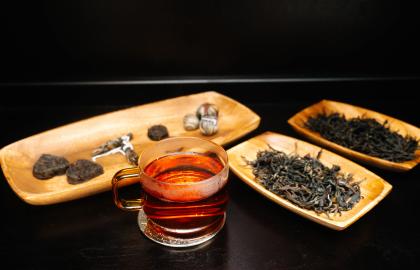
The flavor journey of Sri Lankan tea begins with its visual appeal. A properly brewed cup displays a brilliant amber color that practically glows in the light. This visual clarity hints at the clean, bright flavors that await. High-grown varieties from Nuwara Eliya typically greet the palate with fresh, citrusy notes that might remind you of bergamotor lemon zest, followed by subtle floral undertones that linger pleasantly.
The famous Uva region produces perhaps the most distinctive Ceylon tea character. During the dry season, when the Uva Halpaya(seasonal winds) blow across the estates, the tea develops a unique "Uva flavor" characterized by bright, almost minty notes with a distinctive astringency that tea connoisseurs specifically seek out. This seasonal phenomenon creates limited quantities of exceptional tea that command premium prices in international markets.
"The unique terroir of Sri Lankan tea gardens creates flavor profiles that are immediately recognizable. The bright, citrusy character is our signature calling card in the global tea market." - Malik Fernando, CEO of Dilmah Tea
Mid-grown teas from Kandy present a different but equally appealing profile. These teas offer more body and depth while maintaining the characteristic Ceylon brightness. You might detect hints of spice, subtle honey notes, or even a touch of chocolate in the finish. The complexity of these mid-grown teas makes them excellent choices for both casual drinking and serious tasting sessions.
Low-grown varieties from regions like Ruhuna bring boldness and strength to the Ceylon tea family. These teas often display rich, malty characteristics with notes of caramel and dried fruit. Their robust nature makes them perfect for milk tea preparations, where their strong character can shine through cream and sugar.
Factors Influencing Flavor Development
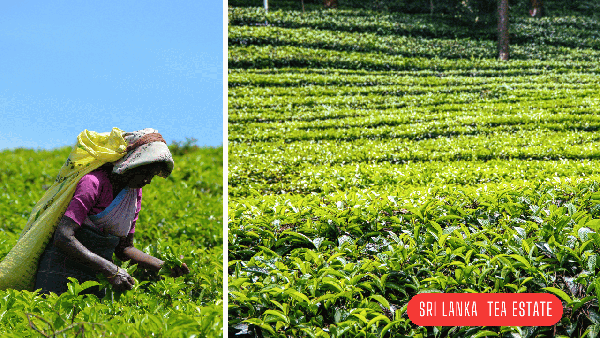
The magic of Ceylon tea flavors results from an intricate dance between nature and human expertise. Altitude plays the starring role in this performance, with higher elevations producing more delicate, complex flavors as the cool air slows leaf development. This slower growth allows the plants to concentrate flavor compounds, creating the nuanced profiles that make high-grown teas so prized.
Seasonal variations add another layer of complexity to Ceylon tea flavors. The monsoon patterns that sweep across the island create distinct wet and dry seasons, each influencing tea character in different ways. During dry periods, the stress on tea plants concentrates their flavors, often producing the most sought-after teas of the year.
Soil composition varies significantly across tea regions, contributing mineral notes and subtle flavor variations. The red, iron-rich soils of some estates impart different characteristics than the darker, more organic soils found in other regions. These geological differences create terroireffects similar to those found in wine production.
Processing methods, refined over generations, play a crucial role in developing and preserving flavor characteristics. The withering process, where fresh leaves lose moisture before rolling, allows natural enzymes to begin developing flavor compounds. The rolling process breaks cell walls, releasing juices that will oxidize into the complex flavors we taste in the finished tea.
Types of Ceylon Black Teaand Grading System
Sri Lankan tea production extends far beyond the traditional Black Teas that made Ceylon famous. Modern tea makers have expanded their craft to include green teas, white teas, and even oolong varieties, each showcasing different aspects of the island's exceptional tea-growing conditions.
From Black to White: Varieties Beyond Traditional Ceylon
Ceylon Black Tea remains the flagship product, representing over 90% of the island's tea production. These teas undergo full oxidation, developing the robust flavors and rich colors that have made Ceylon tea a global favorite. The bright, brisk character of Ceylon black tea makes it perfect for both solo sipping and blending with other teas.
Ceylon green tea represents a relatively recent but exciting development in Sri Lankan tea production. Unlike their Asian counterparts, Ceylon green teas tend to have more body and a slightly nutty flavor profile. The island's tea makers have adapted traditional processing methods to create green teas that retain the characteristic Ceylon brightness while offering the fresh, grassy notes that green tea enthusiasts appreciate.
The crown jewel of Ceylon tea production is white tea, particularly the legendary Silver Tips. This rare tea consists entirely of unopened tea buds, hand-picked during specific morning hours when the buds are covered with fine silver hairs. The processing involves minimal handling—the buds are simply withered and dried, preserving their delicate structure and creating a tea with incredibly subtle honey and floral notes.
Ceylon oolong represents the newest addition to the island's tea portfolio. These partially oxidized teas bridge the gap between green and black varieties, offering complex flavor profiles that change with each infusion. The skill required to produce quality oolong has challenged Sri Lankan tea makers to explore new dimensions of their craft.
Understanding the Ceylon Tea Grading System
The Ceylon tea grading system focuses primarily on leaf size and appearance rather than quality, though certain grades do indicate specific processing methods or leaf selection. Orange Pekoe (OP) represents the standard grade for whole leaf teas, featuring long, wiry leaves that produce a clear, bright infusion. The term "Orange" has nothing to do with citrus fruits—it's believed to derive from the Dutch royal House of Orange.
Grade | Description | Leaf Type | Best For |
OP | Whole leaf | Clear, bright tea | |
BOP | Broken leaf | Strong breakfast tea | |
FOP | Whole leaf with tips | Complex flavor | |
FTGFOP | Premium with many tips | Special occasions |
Broken grades, such as Broken Orange Pekoe (BOP), consist of smaller leaf particles that brew more quickly and produce a stronger, more robust cup. These grades are popular for breakfast blends and everyday drinking, as they deliver consistent flavor and s
The breaking process increases the surface area of the leaves, allowing for faster extraction of flavor compounds.
Flowery grades indicate the presence of tips—the young, tender shoots that add complexity and visual appeal to the tea. Flowery Orange Pekoe (FOP) contains whole leaves mixed with tips, while Flowery Broken Orange Pekoe (FBOP) offers the same tip content in a broken leaf format. The tips, recognizable by their golden color, contribute subtle sweetness and aromatic complexity to the brew.
The most prestigious grades include Golden Flowery Orange Pekoe (GFOP) and Fine Tippy Golden Flowery Orange Pekoe (FTGFOP), which contain high percentages of golden tips. These grades command premium prices and represent the pinnacle of Ceylon tea craftsmanship. The tips are carefully hand-sorted and added to create teas that offer exceptional flavor complexity and visual beauty.
Brewing the Perfect Cup of Ceylon Tea
The art of brewing Ceylon tea properly transforms quality leaves into an exceptional beverage experience. Each variety requires specific techniques to bring out its best characteristics, and understanding these methods ensures you'll enjoy every nuance of flavor that Sri Lankan tea has to offer.
Essential Brewing Techniques
Water quality forms the foundation of excellent tea brewing. Start with fresh, cold water that hasn't been previously boiled, as repeated boiling removes oxygen and creates flat-tasting tea. For Ceylon black tea, bring water to a full rolling boil (95-100°C), while green and white varieties benefit from slightly cooler water (80-85°C) to prevent bitter compounds from over-extracting.
The tea-to-water ratio significantly impacts the final flavor. Use approximately one teaspoonof loose leaf Ceylon tea per cup (200-250ml) of water. This measurement provides a good starting point, but feel free to adjust based on your personal preference and the specific tea you're brewing. Stronger teas like those from Ruhuna might need slightly less, while delicate high-grown varieties can handle a bit more.
Steeping time determines the balance between flavor extraction and astringency. Ceylon black tea typically requires 3-5 minutes of steeping, with shorter times producing a lighter, more delicate cup and longer times creating a stronger, more robust brew. Green Ceylon tea needs only 2-3 minutes, while white varieties benefit from a gentle 4-5 minute infusion.
- Use fresh, cold water and bring to appropriate temperature
- Measure one teaspoon of tea per cup
- Pre-warm your teapot and cups
- Steep for the recommended time based on tea type
- Serve immediately for best flavor
Pre-warming your teapot and cups helps maintain consistent temperature throughout the brewing process. This simple step ensures that the water stays at the optimal temperature long enough to properly extract the tea's flavors. Pour hot water into your teapot, swirl it around, then empty it before adding your tea and fresh hot water.
Serving Suggestions and Pairings
The serving style for Ceylon tea depends largely on the specific variety and your personal preferences. High-grown teas from regions like Nuwara Eliya are best enjoyed neat, without milk or sugar, to fully appreciate their delicate citrus and floral notes. A thin slice of lemon can enhance these natural characteristics without overwhelming the subtle flavors.
Mid-grown and low-grown Ceylon teas handle milk beautifully, creating rich, satisfying cups that are perfect for breakfast or afternoon tea. Add milk after the tea has steeped fully, starting with just a splash and adjusting to taste. The robust character of these teas means they won't be overpowered by dairy products.
Ceylon tea makes exceptional iced tea, maintaining its bright character even when chilled. Brew the tea slightly stronger than usual to account for dilution from ice, then cool rapidly to preserve the fresh flavors. The natural brightness of Ceylon tea shines in cold preparations, making it perfect for hot summer days.
Food pairings depend on the tea's intensity and character. Delicate high-grown teas complement light pastries, fresh fruits, and mild cheeses. Their subtle flavors won't compete with delicate foods. Stronger varieties pair wonderfully with hearty breakfast items, rich desserts, and savory snacks. The robust character of low-grown teas can stand up to strong flavors without being overwhelmed.
Health Benefits of Sri Lankan Tea
Beyond its delightful taste, Ceylon tea offers numerous health benefits that make it an excellent addition to a balanced lifestyle. The natural compounds found in tea leaves have been studied extensively, revealing a range of potential wellness effects that span from antioxidant protection to mental alertness.
Antioxidant Properties and Wellness Effects
Ceylon tea contains impressive levels of polyphenols, particularly theaflavins and thearubigins, which give black tea its characteristic color and contribute to its health benefits. These powerful antioxidants help neutralize free radicalsin the body, potentially reducing the risk of chronic diseases and supporting overall cellular health. Regular tea consumption has been associated with improved cardiovascular health, including better cholesterol profiles and blood pressure management.
The moderate caffeine content in Ceylon tea provides gentle stimulation without the jittery effects often associated with coffee. Typically containing 14-61mg of caffeine per cup, Ceylon tea delivers sustained energy that can help improve focus and mental alertness throughout the day. This makes it an ideal choice for morning routines or afternoon pick-me-ups.
L-theanine, an amino acid found naturally in tea, works synergistically with caffeine to promote calm alertness. This unique combination helps explain why tea drinking often feels more relaxing than coffee consumption while still providing mental clarity and focus. The presence of L-theanine may also help reduce stress and promote better sleep quality when consumed earlier in the day.
"Ceylon tea's unique processing methods preserve high levels of beneficial compounds while creating the bright, refreshing character that makes it both healthy and enjoyable." - Dr. Ranjith Ratnasekera, Industrial Technology Institute, Sri Lanka
Nutritional Components and Trace Minerals
Ceylon tea provides essential trace minerals including manganese, which supports bone health and metabolism, potassium for heart and muscle function, and magnesium for nerve and muscle operation. These minerals are naturally absorbed from the soil where tea plants grow, making Ceylon tea a gentle source of these important nutrients.
Ceylon green tea varieties offer higher levels of catechins, particularly epigallocatechin gallate (EGCG), which has been extensively studied for its potential anti-inflammatory and metabolic benefits. While more research is needed, preliminary studies suggest these compounds may support weight management and overall metabolic health when combined with a balanced diet and regular exercise.
The natural fluoride content in tea leaves can contribute to dental health, helping to strengthen tooth enamel and prevent cavities. However, moderation is key, as excessive fluoride consumption can have negative effects. Normal tea consumption as part of a varied diet typically provides beneficial levels without concern.
White Ceylon tea, being the least processed variety, retains the highest levels of beneficial compounds. The minimal processing preserves delicate antioxidants and vitamins that might be reduced during the oxidation process used for black tea production. This makes white tea particularly interesting for those seeking maximum health benefits from their tea consumption.
Ethical and Sustainable Ceylon Tea Production
Modern Ceylon tea production increasingly emphasizes ethical labor practices and environmental sustainability. Many estates have embraced comprehensive programs that benefit both workers and the environment, recognizing that long-term success depends on responsible practices that support entire communities.
Community Development and Fair Labor Practices
The Ethical Tea Partnership (ETP) works extensively with Sri Lankan tea estates to improve working conditions and empower tea workers. These programs focus on creating safe working environments, providing fair wages, and ensuring access to healthcare and education for workers and their families. Many estates have established on-site schools and medical facilities, creating comprehensive support systems for their communities.
Women comprise a significant portion of the tea industry workforce, particularly in leaf plucking and processing roles. Specific programs have been developed to empower women workers through skills training, leadership development, and economic opportunities. These initiatives help create more equitable workplaces while recognizing the crucial role women play in tea production.
Community Development Forumshave been established on many estates, providing platforms for workers to voice concerns and participate in decision-making processes. These forums facilitate better communication between management and workers, leading to improved working conditions and more collaborative approaches to problem-solving.
Housing improvements represent another crucial aspect of ethical production. Many estates have invested in upgrading worker housing, providing better sanitation facilities, and ensuring access to clean water. These improvements directly impact the quality of life for thousands of families who depend on the tea industry for their livelihoods.
Environmental Sustainability Initiatives
Sustainable farming practices have become increasingly important as tea producers recognize the need to protect the environment for future generations. Many estates have transitioned to organic production methods, eliminating synthetic pesticides and fertilizers while implementing natural pest management techniques. These changes protect both worker health and environmental quality.
"The future of Ceylon tea lies in balancing traditional quality with modern sustainability practices. We must protect both our environment and our workers to ensure this heritage continues." - Dr. Kumudu Gunasekera, Tea Research Institute of Sri Lanka
Biodiversity conservation efforts include maintaining forest corridors between tea plantations, which provide habitat for native wildlife and help preserve Sri Lanka's rich ecological heritage. Many estates have dedicated portions of their land to conservation, recognizing that healthy ecosystems support sustainable agriculture.
Water conservation has become a priority, with many estates implementing rainwater harvesting systems and improved irrigation techniques. These measures help reduce water consumption while ensuring adequate supply during dry periods. Proper watershed management also prevents soil erosion and maintains water quality in local communities.
Carbon footprint reduction initiatives include transitioning to renewable energy sources, implementing energy-efficient processing equipment, and exploring carbon sequestration opportunities within tea gardens. Some estates have set ambitious goals to become carbon neutral or even carbon negative, demonstrating the industry's commitment to addressing climate change.
How to Buy Authentic Sri Lankan Tea
Navigating the global tea market to find genuine Ceylon tea requires understanding quality indicators and knowing where to shop. With numerous products claiming Sri Lankan origins, informed consumers need reliable ways to identify authentic, high-quality teas that truly represent the island's tea heritage.
Identifying Genuine Ceylon Tea Products
The Ceylon Tea Lion Logo serves as the most reliable indicator of authentic Sri Lankan tea. This official certification mark guarantees that the product contains 100% pure Ceylon tea that has been processed and packed in Sri Lanka according to strict quality standards established by the Sri Lanka Tea Board. Products bearing this logo undergo regular quality testing and meet specific criteria for authenticity and quality.
- Look for the Ceylon Tea Lion Logo certification
- Check for detailed origin information and estate names
- Verify grade designations (OP, BOP, FOP, etc.)
- Consider price as a quality indicator
- Purchase from reputable specialty retailers
Look for detailed origin information on packaging, including specific estate names, growing regions, and harvest details. Authentic Ceylon tea producers take pride in their heritage and willingly share information about their products' origins. Terms like "Nuwara Eliya," "Dimbula," or "Uva" indicate specific growing regions, while estate names like "Kenilworth" or "Craighead" suggest single-estate origins.
Grade designations such as "Orange Pekoe" or "Broken Orange Pekoe" indicate specific leaf sizes and processing methods. Genuine Ceylon tea packages typically include this information, helping consumers understand what they're purchasing. Premium grades like "FTGFOP" (Fine Tippy Golden Flowery Orange Pekoe) indicate higher quality and more careful processing.
Price can also indicate authenticity, as genuine Ceylon tea, particularly from specific estates or premium grades, commands higher prices than generic blends. While expensive tea isn't always better, suspiciously cheap "Ceylon tea" might indicate blending with teas from other origins or lower quality processing.
Where to Purchase Quality Ceylon Tea
For international shoppers seeking authentic Sri Lankan tea, SriLanka Stores provides a trusted platform for accessing genuine, high-quality products. Their carefully curated selection includes single-origin teasfrom renowned estates, artisanal blendsthat showcase traditional Sri Lankan flavors, and rare specialties like Silver Tips white tea that represent the pinnacle of Ceylon tea craftsmanship.
What sets SriLanka Stores apart is their direct relationships with local tea producers and vendors, ensuring authenticity and fair trade practices. Their focus on artisanal products means customers receive teas produced using traditional methods that preserve the distinctive character and cultural heritage of Sri Lankan tea. This direct sourcing approach guarantees quality while supporting local communities.
Specialty tea shops that focus on single-origin teas often carry authentic Ceylon varieties, though buyers should still look for the Ceylon Tea Lion Logo and detailed origin information. These retailers typically have knowledgeable staff who can provide guidance on selecting appropriate teas for different preferences and brewing methods.
Online retailers offer convenience and selection, but buyers should research sellers carefully. Look for retailers who provide detailed product descriptions, including origin information, processing methods, and tasting notes. Customer reviews can also provide insights into tea quality and seller reliability.
Local Sri Lankan communities often have access to authentic teas through cultural organizations or import shops. These sources can provide unique varieties and valuable insights into traditional preparation methods that enhance the tea drinking experience.
Conclusion
Sri Lankan tea stands as a testament to the power of perseverance, innovation, and cultural pride. From its origins in the coffee blight crisis of the 1860s to its current status as one of the world's most respected tea producing regions, Ceylon tea has weathered challenges while maintaining its commitment to quality and tradition.
"Ceylon tea represents more than just a beverage—it's a cultural ambassador that carries the story of our island to tea lovers worldwide." - Herman Gunaratne, Former Chairman, Sri Lanka Tea Board
The diversity of Sri Lankan tea offers something for every palate and occasion. Whether you prefer the delicate, floral notes of high-grown Nuwara Eliya teas, the balanced complexity of mid-grown Kandy varieties, or the robust strength of low-grown Ruhuna blends, each cup connects you to the rich cultural heritage of this remarkable island nation.
As you explore the world of Ceylon tea, remember that each cup represents not just exceptional flavor, but also the dedication of thousands of skilled workers who tend these mountain gardens with care and expertise. The industry's growing commitment to ethical practices and environmental sustainability ensures that this heritage will continue for future generations.
For those ready to embark on their Ceylon tea journey, investing in authentic, high-quality products from trusted sources like SriLanka Stores ensures you experience the true character and exceptional quality that has made Sri Lankan tea beloved worldwide. Each sip offers a connection to centuries of tradition, the natural beauty of mountain tea gardens, and the warm hospitality that defines Sri Lankan culture.
The story of Ceylon tea continues to evolve, but its core values of quality, authenticity, and cultural pride remain constant. As you enjoy your next cup of Sri Lankan tea, you participate in this ongoing story, celebrating a tradition that bridges continents and connects people through the simple pleasure of an exceptional cup of tea.
FAQs About Sri Lankan Tea
What makes Ceylon tea different from other black teas?
Ceylon tea is distinguished by its bright, lively character with natural citrus notes and exceptional clarity. Unlike the heavy, malty profile of Assam teas or the delicate, muscatel flavorsof Darjeeling, Ceylon tea offers a unique balance of strength and brightness that makes it perfect for both solo sipping and blending. The island's diverse growing altitudes create distinct flavor profiles within a single origin, offering more variety than most other tea-producing regions.
Is Ceylon tea always black tea?
No, while black tea represents the majority of Ceylon tea production, Sri Lanka also produces excellent green, white, and oolong varieties. Each type undergoes different processing methods while maintaining the distinctive terroir characteristicsthat make Ceylon tea special. Ceylon green tea tends to be more full-bodied than Asian greens, while Ceylon white tea, particularly Silver Tips, represents some of the world's finest white tea production.
How can I tell if I'm buying authentic Ceylon tea?
Look for the Ceylon Tea Lion Logo on the packaging, which guarantees 100% pure Ceylon tea processed and packed in Sri Lanka. Authentic products typically include detailed origin information such as specific growing regions (Nuwara Eliya, Dimbula, Uva) or estate names. Quality Ceylon tea also includes grade designations like Orange Pekoe or Broken Orange Pekoe, indicating specific leaf sizes and processing methods.
What is the best way to store Ceylon tea?
Store Ceylon tea in an airtight container away from light, heat, moisture, and strong odors. A cool, dry pantry location works well for most teas. Properly stored loose leaf Ceylon tea maintains its quality for about one year, while tea bags remain fresh for approximately six months. Avoid storing tea in the refrigerator or freezer, as temperature fluctuations can damage the leaves.
Does Ceylon tea contain caffeine?
Yes, Ceylon tea contains caffeine, typically ranging from 14-61mg per cup depending on the variety, brewing strength, and steeping time. This is generally less than coffee but enough to provide gentle stimulation. Black Ceylon tea contains more caffeine than green or white varieties, while the exact amount depends on factors like leaf grade, water temperature, and steeping duration.
Latest Posts