When you take your first sip of an authentic Ceylon tea, you aren't just tasting a beverage; you are experiencing over 150 years of Sri Lankan heritage. Known globally for its unmatched quality and diverse flavor profiles, Ceylon tea is the "Gold Standard" of the tea world. However, for a beginner, the world of "Orange Pekoes" and "Broken Fannings" can feel a bit overwhelming.
Whether you are looking to buy ceylon tea online for your morning routine or seeking the health benefits of organic tea, understanding the basics of grades, flavors, and brewing is your ticket to a perfect cup. Grab your favorite mug, and let’s dive into the fascinating world of the island's finest brew! ☕
Before we look at the leaves themselves, we have to look at where they grow. In Sri Lanka, the flavor of the tea is primarily determined by the altitude of the plantation. This unique geographic diversity allows one small island to produce an incredible variety of tastes.
Grown in the misty mountains of Nuwara Eliya and Dimbula, these teas are often called the "Champagne of Ceylon Teas." They produce a light, golden liquor with a delicate, floral aroma. If you prefer a sophisticated, breezy tea with citrus notes, high-grown is for you.
Mid-grown teas from regions like Kandy are rich and full-bodied. They offer a beautiful copper color in the cup and a flavor that is sturdy yet smooth. These are fantastic "all-day" teas.
Hailing from the lush southern plains, low-grown teas are known for their bold, malty, and strong characteristics. They produce a very dark liquor and are the perfect base for those who enjoy adding milk and honey to their brew.
When you browse for tea, you’ll see acronyms like OP, BOP, and BOPF. Unlike school grades, these don't necessarily mean one is "better" than the other; they simply describe the size and style of the leaf.

These are the large, intact leaves that unfurl beautifully in your teapot.
These leaves are broken into smaller pieces during processing, which allows them to release their flavor and color much faster.
In recent years, the move toward organic tea has grown tremendously. Choosing organic means the tea is grown without synthetic pesticides or fertilizers, preserving the natural ecosystem of the Sri Lankan highlands.
Beyond the environmental impact, many tea connoisseurs find that organic varieties offer a cleaner, more vibrant taste. When you buy authentic products from a trusted bridge like Sri Lanka Stores, you are supporting sustainable farming practices that have been passed down through generations.
Brewing tea is an art, but it doesn't have to be complicated. The goal is to extract the flavor without the bitterness.
Always start with fresh, filtered water. Avoid re-boiling water that has been sitting in the kettle, as it loses oxygen, which can make your tea taste "flat."
This is where most people make mistakes!
Pro Tip: Never squeeze your tea bag! This releases excess tannins, which makes the tea bitter. Just lift it out gently and let it drain.
Sri Lanka’s tea culture isn’t limited to just black tea. The island is also home to incredible Ayurvedic and herbal teas that offer unique health benefits.
If you are looking for caffeine-free alternatives or wellness boosters, consider trying traditional herbal drinks. For example, Iramusu (Indian Sarsaparilla) is known for its cooling properties, while Belimal is a floral favorite for digestion.
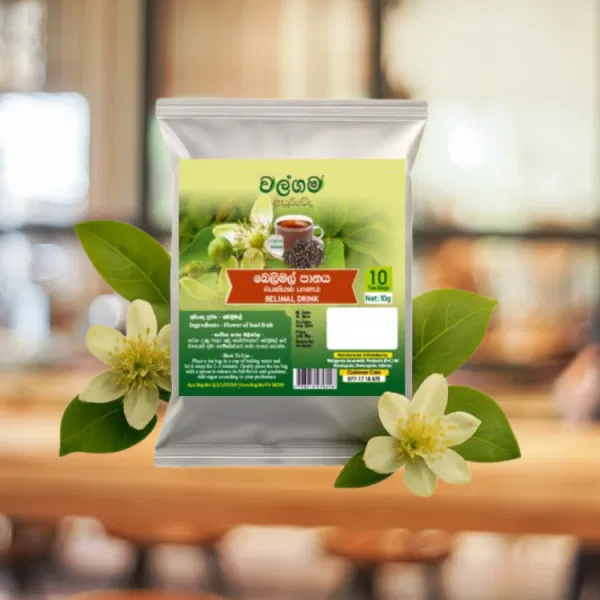 Pictured: Traditional Belimal Herbal Drink, a caffeine-free alternative rooted in Sri Lankan wellness.
For those who love a bit of spice, the Aroma Ceylon Cinnamon Herbal Tea combines the world’s best cinnamon with premium tea for a warm, comforting experience.

With so many options available, how do you ensure you are getting the real deal? Here are a few things to look for when you decide to buy your tea online:
Mastering Ceylon tea is a journey of the senses. From the delicate floral notes of a high-grown Orange Pekoe to the invigorating strength of a low-grown BOP, there is a perfect cup waiting for everyone.
By understanding these basics, you are no longer just a tea drinker: you are a curator of flavor and a supporter of a timeless tradition. We invite you to explore the diverse range of authentic Sri Lankan products and bring a piece of our beautiful island into your home.
Warm wishes and happy brewing! 🍃
Sri Lanka Stores Team