Sri Lanka’s tea story is as varied as its landscapes. A cup may be bright and brisk, smooth and full-bodied, or delicate enough to invite a slower sip. Behind each style are generations of growers, skilled makers and distinctive highland and low-country regions.
If you’re exploring Sri Lankan tea brands, start with what you enjoy drinking, not a ranking. “Best” depends on your taste, how you brew, and whether you’re seeking a familiar everyday tea or a special small-batch find. This guide will help you understand the landscape and choose a cup that feels right for you.
Ceylon tea is tea grown and processed in Sri Lanka. The name connects a cup to its place of origin, but it doesn’t describe just one flavour or style. Elevation, weather, season, leaf selection and manufacturing all shape the finished tea.
The Sri Lanka Tea Board recognizes seven principal tea-growing districts: Nuwara Eliya, Uda Pussellawa, Dimbula, Uva, Kandy, Sabaragamuwa and Ruhuna. Each brings its own character to the island’s tea landscape. You can read more about Sri Lanka’s tea-growing regions.
A quick flavour guide:
These are useful starting points, not rigid rules. Tea from the same district can still vary from estate to estate and harvest to harvest.
The best Ceylon tea brands for you may be established household names, estate-connected producers or independent makers working in smaller batches. Each offers a different way to explore the island’s tea heritage.
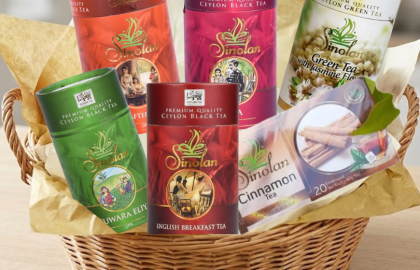
Names such as Dilmah and Mackwoods are part of Sri Lanka’s long-standing branded tea story. Alongside familiar retail collections, specialist producers and small-batch makers bring attention to particular estates, leaf styles and handcrafted teas.
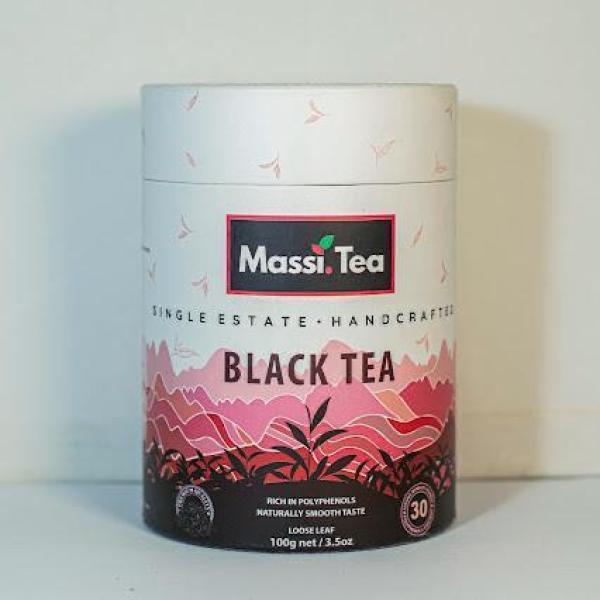
When you browse, look beyond the brand name. Check whether the description identifies the tea’s origin, style, grade or producer, and whether it is a single-estate tea, a blend or a flavoured variety. Sri Lanka Stores’ premium tea collection offers a mix of loose-leaf, handmade and other specialty selections, including teas from makers such as Massi Tea.
A single-estate tea comes from one estate or garden and is intended to showcase its particular character. It can be a rewarding choice if you enjoy noticing how place and production shape the flavour.
A blend combines teas to create a particular taste or consistent profile. Blending is a skilled craft: the aim may be a brisk, bright cup, a balanced everyday black tea or a flavour that stays familiar from one purchase to the next. A Ceylon blend should be made from Ceylon tea; check the label and product description for details.
Neither approach is automatically better. Choose single-estate tea when you want to explore a specific origin. Choose blends when you know the profile you like and want a dependable style.
Start with the cup you reach for most often. Then explore from there.
If you enjoy a lively, assertive cup, try a Ceylon black tea described as brisk or bright. Dimbula and some high-grown styles may appeal to you, while low-country teas can bring deeper body. The leaf grade can also influence how quickly a tea brews, but grade alone doesn’t tell you whether it will taste “better.”
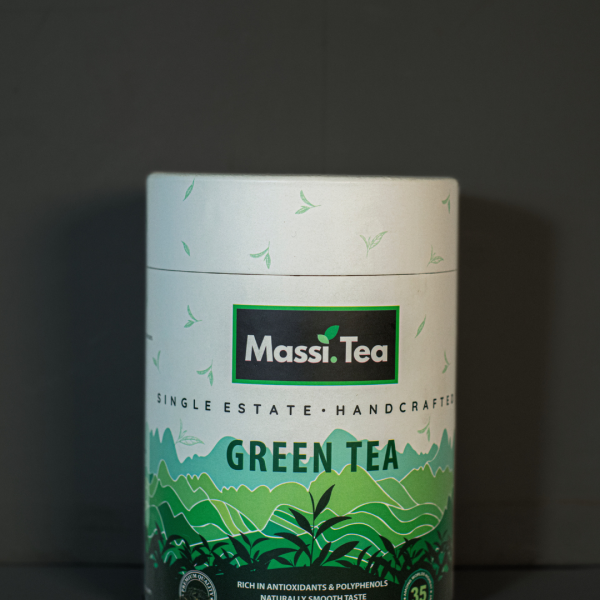
Ceylon green tea is made from leaves processed to preserve a green-tea character. Look for descriptions such as delicate, fresh or gentle if you prefer a softer cup. Sri Lankan green tea can be made in different styles, so check the product details and follow its brewing guidance.
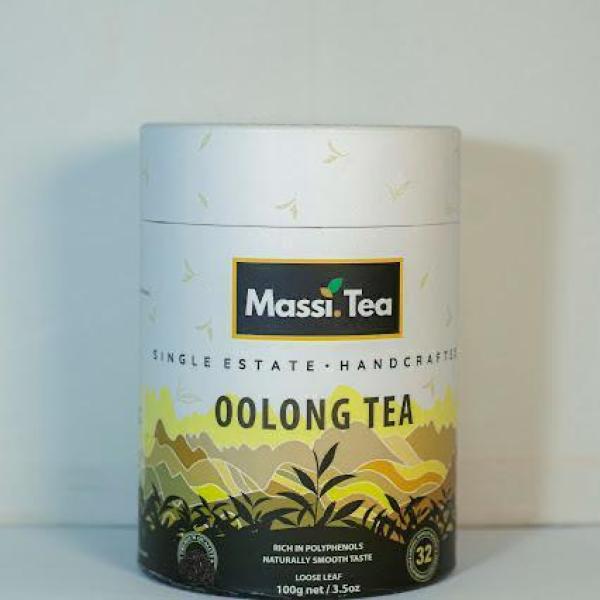
Oolong is a partially oxidized tea style, sitting between green and black tea in its processing. It’s a less familiar option for some shoppers, and a lovely way to explore beyond classic black tea. Sri Lankan small-batch selections may offer distinctive leaf shapes and aromas.
Silver Tips is a carefully selected white tea style made from young buds. Its delicate appearance and limited production can make it a special choice for a mindful tasting or thoughtful gift. Availability and presentation vary, so read the listing closely before you buy.

You may see terms such as OP (Orange Pekoe), OP1, BOP (Broken Orange Pekoe) and BOPF on black tea labels. These names describe leaf appearance, size or processing style. They aren’t a simple quality ladder and do not, by themselves, tell you how a cup will taste.
For a more helpful picture, consider the full description: tea type, growing region, estate or maker, and any notes on flavour and brewing. If the listing names a harvest or lot, that can offer another useful clue about the tea’s identity.
Ceylon teas are available in a range of prices and presentations. Everyday tea bags and loose-leaf blends are convenient options for regular enjoyment. Single-estate lots, handmade teas and carefully selected white teas may sit at a higher price point because of their production style, leaf selection or limited availability.
Before ordering, ask yourself:
Pro Tip: If you’re new to a style, begin with a smaller pack when available. It’s a simple way to discover your preferences before choosing a larger quantity.
Shopping online makes it easier to compare tea styles and discover producers beyond the brands you already know. Sri Lanka Stores brings together a curated selection of Sri Lankan products, including loose-leaf and handmade teas. Browse the premium tea collection and read each listing for details about the tea and its presentation.
For international orders, check the shipping information before checkout. Delivery estimates and costs can vary by destination, and customs duties or import fees may apply.
A good tea discovery doesn’t need to be complicated. Choose a style that sounds inviting, learn a little about where it comes from, and give yourself time to enjoy the cup.
May your next Ceylon tea bring a bright moment to your day, and a little closer connection to the people and places behind it. ☕