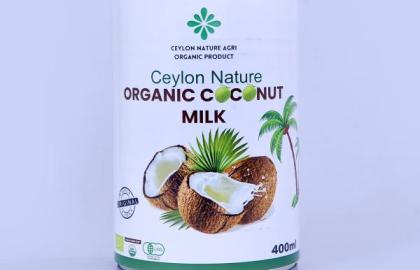
A 400 ml tin is a familiar pantry staple in Sri Lankan and South Asian kitchens. But tins of the same size can differ in richness, ingredients and consistency. Checking a few label details before you buy can help you choose the right one for your cooking, household or business.
A 400 ml tin holds about 13.5 US fluid ounces. A handy quantity for many home-cooking occasions. It is large enough to be useful without requiring you to open a commercial-size container, and it is widely available from grocery stores and international food retailers.
Still, 400 ml tells you the volume, not how rich the coconut milk is. One tin may contain a higher proportion of coconut extract than another, so checking the ingredients and nutrition panel matters as much as checking the size.
Look for wording such as “coconut extract” or “coconut kernel extract” in the ingredients or product description. The percentage indicates how much coconut extract is in the product. It is not the same as the fat percentage.
As a practical starting point:
These are guideposts rather than strict rules. Coconut milk and coconut cream are different products, and brands may use different specifications. When the percentage isn’t shown online, check the packaging image or ask the seller before ordering.
Many tins contain coconut extract and water. Others include ingredients that help with texture and consistency. Common examples include guar gum (a thickener and stabiliser), carboxymethyl cellulose, emulsifiers or sweeteners.
There isn’t one right choice for everyone:
A comparison of products on the market shows that coconut extract levels and ingredient lists can vary considerably. The label helps you compare like with like.
Coconut milk ranges from rich and creamy to lighter and more pourable. That difference can reflect the coconut extract percentage, the product’s fat content, and how the manufacturer processes and formulates it.

Thicker coconut milk may be a better fit when you want a more pronounced coconut character or a fuller texture. Thinner coconut milk can work well when you prefer a lighter finish. If the tin is labelled “light,” check the extract percentage and nutrition panel instead of assuming it will behave like a regular product.
Some higher-coconut products naturally separate or solidify when cool. That doesn’t automatically mean the tin is spoiled. Check the product instructions; shaking the closed tin or gently warming it can help bring the contents together.
Coconut milk is often sold in metal cans with a protective inner lining. If you’re looking for a particular packaging specification, look for an explicit statement on the product listing or manufacturer’s site, such as “BPA-free” or “BPA-NI” (BPA not intentionally added).
Treat this as a product- and package-specific detail. Packaging can vary by market or production run, so don’t assume that a claim applies to every can from a brand. If the listing doesn’t say, check the package image or contact the seller or manufacturer.
Before buying, also look for a clear, current product image and avoid tins that arrive bulging, leaking, rusty or badly dented, especially around the seams.
You’ll find coconut milk in cans, cartons and larger food-service packs. A 400 ml tin is a convenient shelf-stable format, while cartons and larger containers may suit different shopping or business needs. They aren’t automatically interchangeable: check the volume, storage instructions and ingredients for each format.
For example, Sri Lanka Stores lists a 400 ml organic coconut milk can, described as made in Sri Lanka with 17% fat content. Its product page also says to refrigerate after opening and consume within three days. The listing does not show a coconut extract percentage, so check the package details or contact the seller if that specification is important to you.
For a neutral comparison between products, note the same details for each one:
| What to compare | Why it helps |
|---|---|
| Net quantity | Confirms you’re comparing 400 ml with 400 ml |
| Coconut extract percentage | Gives context for the product’s coconut content |
| Fat content | Offers another nutrition and formulation detail |
| Full ingredient list | Shows thickeners, emulsifiers and other additions |
| Can-lining statement | Helps you verify a specific packaging claim |
| Origin and best-before date | Useful for personal purchases and stock planning |
Keep unopened tins in a cool, dry place and follow the printed best-before date. After opening, transfer any leftover coconut milk to a clean, covered container and refrigerate it rather than storing it in the opened tin. Follow the storage period on the label; product instructions can differ. For the Sri Lanka Stores product above, the stated guidance is to consume it within three days after opening.
Natural thickening or separation in the refrigerator can happen. Stir the contents or warm them gently if needed, and discard the product if the tin was damaged or the contents don’t seem right.
Whether you’re buying one tin or replenishing a shop shelf, check the listing before you add it to your basket:
Sri Lanka Stores offers worldwide delivery; its shipping page explains that international orders may take 7–16 business days, shipping costs depend on order weight and method, and customers are responsible for applicable customs duties and taxes. Check the current checkout details for your destination.
You can browse the coconut products collection and the wider grocery selection to explore products for your pantry. For business buyers, compare case quantities and contact the seller about availability before placing a larger order.

Before choosing a tin, ask yourself:
A little label-reading goes a long way. Once you know what you value (richer coconut content, a simpler ingredient list, or a convenient single tin) you can choose with confidence and keep the flavours of home close, wherever you shop. 🥥