If you grew up with pol, the Sinhala word for coconut, close at hand, you know how much its tender texture and rich aroma can bring to a meal. Living far from Sri Lanka can make fresh coconut harder to find, especially when you want the moist, delicate shreds rather than a dried substitute.
Frozen grated coconut offers a practical way to keep that familiar ingredient within reach. It’s prepared, packed and frozen for storage, so you can shop for it online without having to crack and grate a whole coconut yourself. The key is choosing a well-labelled product and making sure it stays frozen on its journey to your door.
Fresh coconuts may be available at some international grocers, but turning one into fresh shreds takes time and equipment. Availability also varies by neighbourhood and season. For diaspora shoppers, that can make it difficult to find coconut with the texture and moisture they remember from home.
Frozen grated coconut helps bridge that gap. It’s ready to portion and use, and when it has been properly handled and stored, it can retain a soft, moist texture that is closer to freshly grated coconut than a dried product.
It isn’t identical to grating a coconut just before serving. Freezing can affect food quality over time, and each product’s texture depends on how it was processed and packaged. Still, it’s a convenient option for keeping a taste of home close by.
Before adding a pack to your basket, take a moment to read the listing and label. A few details can help you make a more informed choice:
For example, one Sri Lankan supplier lists a 600 g pack with coconut kernel as its ingredient and recommends freezer storage below −18°C. Its product information also provides a shelf life and instructions for opened packaging. These are details specific to that product, not a guarantee that every brand follows the same specifications. Check the label on the pack you buy.
Cold-chain delivery means maintaining appropriate cold temperatures while a frozen product is transported. That matters: a frozen item can arrive in good condition only if the seller’s packaging and delivery arrangements suit the destination and travel time.
Before ordering, confirm that the seller ships frozen food to your location and ask how it is packed for transit. It’s sensible to:
A general shipping promise is not the same as a cold-chain guarantee. For example, Sri Lanka Stores’ shipping information outlines international shipping and notes that some items may have destination restrictions; it does not confirm cold-chain shipping for frozen products. Always verify availability and delivery conditions with the seller before ordering frozen food internationally.
Once your pack arrives, follow its storage directions and put it in the freezer promptly. As a general reference, the National Center for Home Food Preservation recommends storing frozen foods at 0°F (−18°C) or colder for best quality. Packaging, handling and the product itself all affect how well it keeps.
When you need some coconut, use the method and timing stated on the label. Many frozen products can be thawed in the refrigerator or defrosted using a microwave; follow the manufacturer’s instructions and avoid leaving food to thaw on the counter. The USDA’s food-safety guidance on freezing explains that freezing slows or stops microbial growth while food remains frozen, but does not destroy all harmful microbes.
If you open a larger pack, close it securely and return it to the freezer promptly. Consider dividing it into smaller portions using clean utensils, so you can take out only what you need and limit repeated exposure to air. Follow the product’s use-by date and any instructions for opened packaging.
Each form of coconut has a place in the pantry. The best choice depends on whether your priority is fresh-like texture, easy storage or a creamy liquid.
This is the closest of these options to fresh grated coconut in moisture and texture. It can be a good choice when you want soft coconut shreds in traditional dishes or sweets. It needs freezer space and careful shipping, so check delivery arrangements before you order.
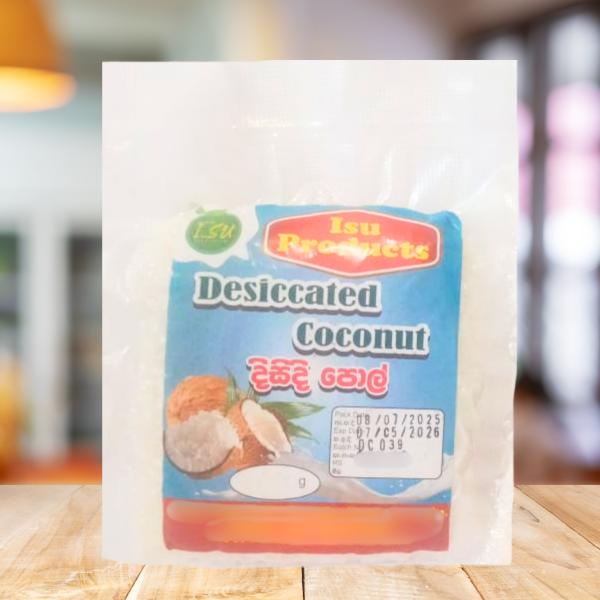
Desiccated coconut is grated coconut that has been dried. It’s shelf-stable until opened and usually easier to ship than a frozen product, but it won’t have the same natural moisture or fresh texture. Depending on what you’re making, you may prefer to use it as it is or rehydrate it. See Sri Lanka Stores’ premium desiccated coconut or browse the coconut products collection.
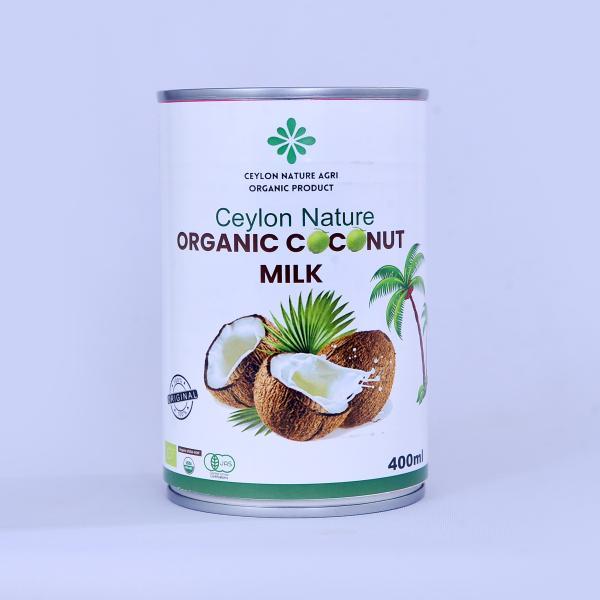
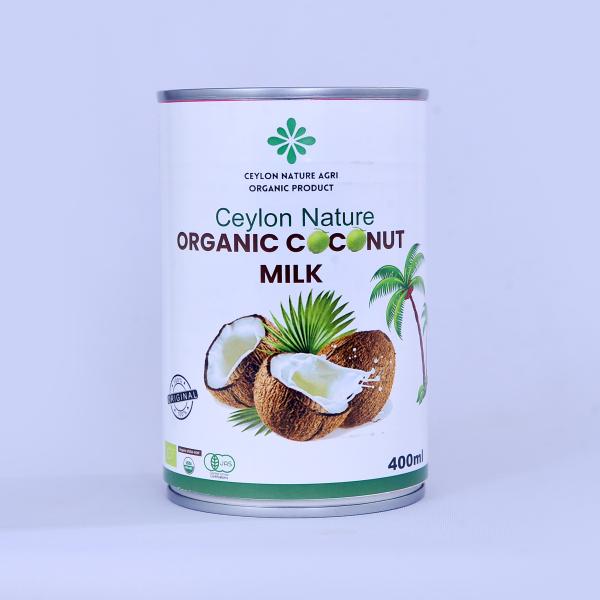
Coconut milk gives you richness and liquid, rather than the fibrous texture of grated coconut. It can suit dishes that call for a creamy coconut base, but it isn’t a like-for-like substitute when the shreds themselves matter.
Powder is compact and convenient to store. When mixed according to its label, it provides a coconut-milk-style ingredient. Like canned coconut milk, though, it won’t reproduce the texture of grated coconut.

For Sri Lankan households abroad, keeping familiar ingredients on hand can make everyday meals feel more connected to home. Fresh grated coconut frozen is a convenient option when you want moist coconut shreds and can confirm that the seller delivers and stores the product appropriately.
Before ordering, read the ingredients, check the origin and pack size, and confirm the cold-chain details for your address. If frozen shipping isn’t available, shelf-stable choices such as desiccated coconut and coconut milk can still bring authentic Sri Lankan coconut flavour to your pantry. May every familiar aroma and flavour help you feel a little closer to home. 🌴