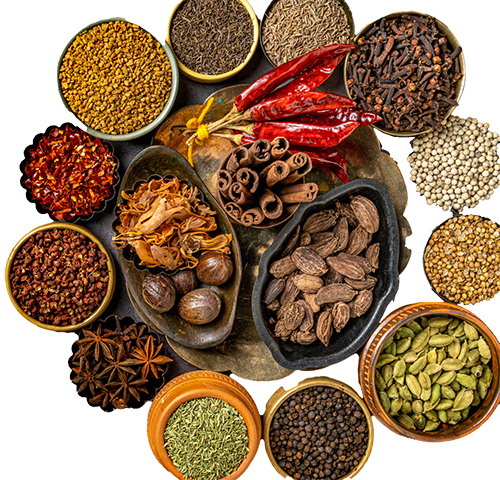
Sri Lankan food products bring together vibrant flavour, tropical ingredients, and generations of craftsmanship. For importers, distributors, grocers, restaurants, and specialty retailers, the opportunity is considerable: but successful sourcing requires more than finding attractive products and arranging shipment.
You need a clear process.
From supplier verification and product selection to food labels, certificates, freight, customs, and landed cost, this guide explains the key steps involved in how to import Sri Lankan food products with greater confidence.
Important: Import requirements vary by destination country, product type, and shipment size. Always confirm current rules with your local food authority, customs broker, and the relevant Sri Lankan authorities before placing a commercial order.
Start with the customers you want to serve. A focused product range makes it easier to compare suppliers, estimate demand, and manage compliance.
Popular Sri Lankan food categories include:

For each product, prepare a basic specification sheet covering:
This helps you compare like with like rather than choosing products based only on appearance or initial unit price.
Supplier verification is one of the most important stages in the import process. A professional supplier should be able to explain where the product comes from, how it is processed, how it is packed, and how it will be documented for export.
Ask for:
You can also consult the Sri Lanka Export Development Board Exporters’ Directory when researching formal exporters and food-sector suppliers.
Do not simply ask whether a supplier is “certified.” Request copies and confirm:
Depending on the buyer and destination, certifications may include HACCP, ISO 22000, GMP, BRCGS, Halal, Kosher, or organic certification. Not every product requires every certification, so match the certificate to your market and product category.
Food products do not all follow the same export pathway. Tea, spices, coconut products, dried fish, and ready-to-eat sweets may have different requirements.
The Sri Lanka Export Development Board’s Export Procedure guide outlines common registrations, permits, certificates, packaging considerations, and customs documentation.
Typical documents may include:
Tea: Sri Lankan tea exporters and packers are regulated by the Sri Lanka Tea Board. The Tea Board describes registration for exporters, packers, warehouses, and tea packs, along with export authorization and quality monitoring.
Spices: Spices may require origin documentation, plant-health documentation, and testing for contaminants or pesticide residues, depending on the destination market and product form.
Coconut products: Certain coconut and coconut-based products may require registration or permits through the Coconut Development Authority.
Dried fish and animal-origin foods: These may require additional sanitary, veterinary, fisheries, or import permits. Confirm the requirements before purchase: not after the cargo has arrived.
Sri Lankan export approval does not automatically mean a shipment can enter your country. As the importer, you are usually responsible for meeting the regulations at destination.
Before ordering, ask your customs broker or food regulator about:
Your label may need to include:
Request a digital label proof before production. A label that looks clear in Sri Lanka may still require changes for the USA, UK, Canada, Australia, the European Union, or another destination.
Shelf life is especially important when importing food by sea. Your product must have enough usable life remaining after production, export handling, transit, customs clearance, and delivery to your warehouse.
Ask suppliers for:
Shelf-stable categories such as tea, whole spices, rice, and some dried foods are often simpler to manage. However, traditional sweets, snacks, coconut products, and prepared foods may have shorter or more variable shelf lives.
Agree in writing on the minimum remaining shelf life you will accept at shipment.

Your shipping method should reflect the product’s value, shelf life, urgency, and volume.
Sea freight is generally suitable for larger shipments of shelf-stable products. It may offer a lower cost per unit, but transit and port handling take longer.
Air freight can be useful for samples, urgent replenishment, high-value products, or goods with limited shelf life. The cost per kilogram is usually higher.
If you are testing the market or ordering several product categories, consolidation may help combine shipments. Ask whether different products can travel together safely and whether any category requires separate handling.
Your quotation should clearly state the Incoterm, such as FOB, CIF, or another agreed term. Incoterms help define who is responsible for export clearance, freight, insurance, risk, and delivery.
Also confirm:
Never assume insurance is included simply because freight is included. Check the commercial quotation and policy terms carefully.
The product price is only one part of your import cost. Your landed cost is the amount required to move the goods from the Sri Lankan supplier to your warehouse and make them ready for sale.
Include:
A simple formula is:
Landed cost per unit = total delivered shipment cost ÷ number of saleable units
Ask your broker to confirm the correct HS code for every product. Customs duty and taxes are often calculated by classification, and a mixed shipment may contain several different HS codes.
The Sri Lanka Customs export guidance explains that export consignments are declared online and that the HS code is used to determine applicable levies and procedures. Your destination-country broker should confirm the corresponding import classification and tariff.
Before approving your first commercial order, confirm each item below.
Keep every document together in a shipment file. Good records make repeat orders faster and help resolve questions from customs, retailers, or food authorities.
A pilot shipment lets you test product quality, packaging, customs handling, delivery time, and customer response before committing to a large volume.
Choose a balanced selection, such as:
Track the complete journey: from purchase order to warehouse receipt. Then use the results to improve your next order.
Importing Sri Lankan food products can open a vibrant new category for your store, restaurant, distribution business, or gift programme. The process becomes more manageable when product knowledge, documentation, packaging, and logistics are considered together.
Sri Lanka Stores helps international buyers explore authentic Ceylon teas, spices, coconut products, traditional sweets, snacks, and dried foods, with worldwide shipping and wholesale-oriented sourcing support.
For product availability, bulk quantities, or a business quotation, contact Sri Lanka Stores with:
With the right checks in place, you can bring the timeless taste and craftsmanship of Sri Lanka to new customers around the world. May your next shipment be smooth, well documented, and filled with authentic island flavour. 🌿