Have you ever opened a jar of cinnamon and felt a sharp, almost aggressive spicy punch hit your nose? Or perhaps you’ve tried to snap a cinnamon stick for your tea, only to find it as hard as a piece of wood? If so, you were likely holding Cassia cinnamon: the common, mass-market "imposter" that often fills grocery store shelves.
For those seeking the true essence of this ancient spice, the search begins and ends with Ceylon cinnamon (Cinnamomum verum). Known as "True Cinnamon," this delicate spice is native only to the sun-drenched soils of Sri Lanka.
Whether you are a health-conscious home cook or a business buyer looking to buy authentic Ceylon cinnamon online for your retail shop, knowing how to spot the difference is essential. In this guide, we’ll walk you through the sensory and physical markers that separate the premium Ceylon variety from its thicker, harder cousin, Cassia.
The most immediate way to distinguish real Ceylon cinnamon vs cassia is by looking at the structure of the whole sticks, or "quills."
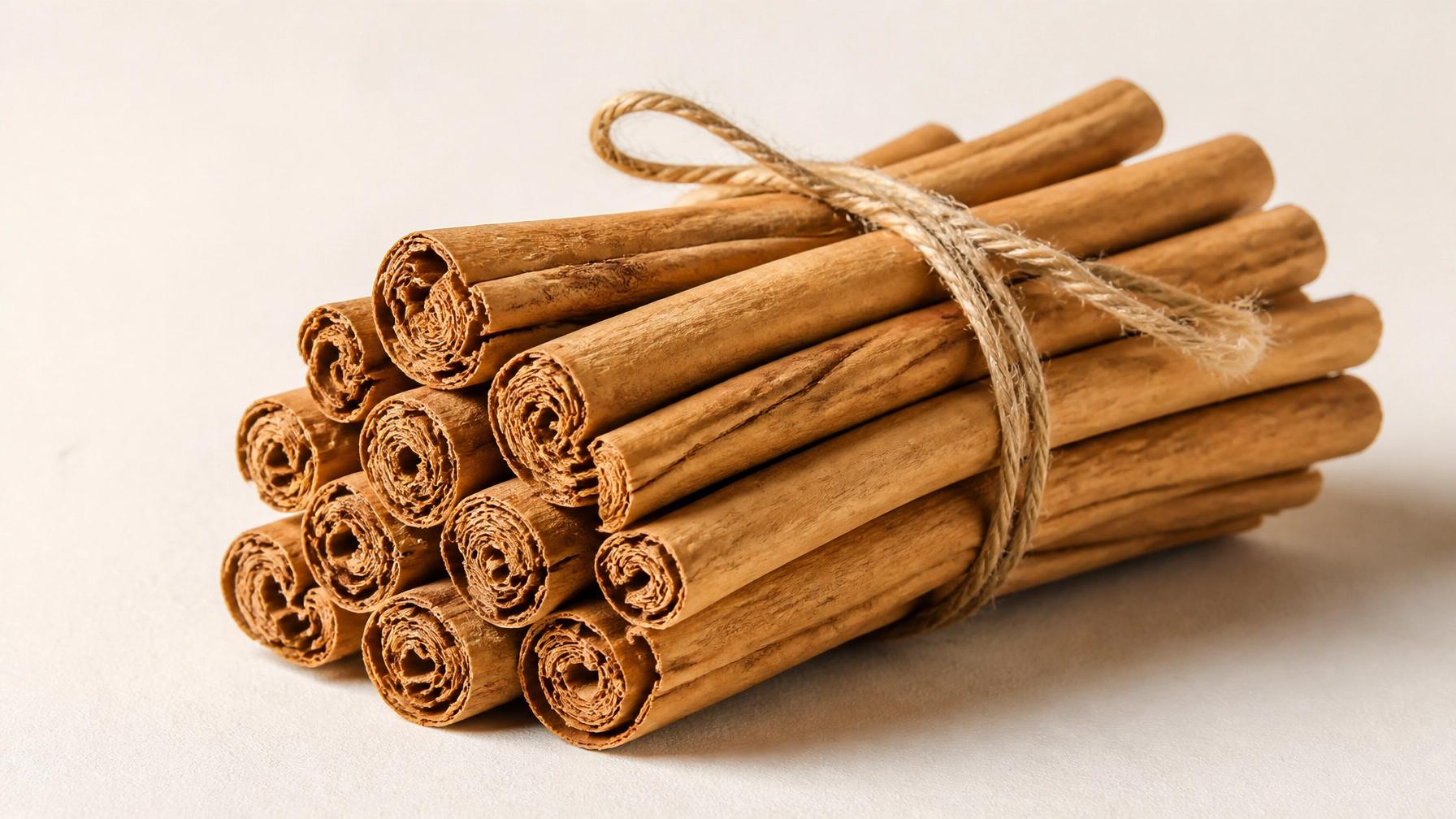
When you look at the end of a Ceylon cinnamon stick, it looks remarkably like a premium cigar. It is made from the inner bark of the tree, which is shaved into incredibly thin, papery layers. These layers are then rolled together by hand to form a solid, multi-layered quill.
Cassia is made from a different species altogether. Instead of thin inner shavings, it uses the thicker outer bark.
Pro Tip: If the stick looks like a single thick piece of wood you could never chew through, it’s Cassia. If it looks like many delicate sheets of parchment rolled together, you’ve found the real deal.
The physical density of these two spices couldn't be more different. This is a critical factor for business buyers who need to ensure their customers are getting a product that is easy to grind or infuse.

Ceylon cinnamon is surprisingly fragile and crumbly. Because the layers are so thin (often less than 0.08 mm), you can easily snap a quill with your fingers or even crush it into a coarse powder using a simple mortar and pestle.
Cassia cinnamon, on the other hand, is hard and woody. Trying to snap a Cassia stick with your hands is a workout, and if you try to put it in a standard home spice grinder, you might actually damage the blades. It is designed to withstand long simmering in heavy stews, whereas Ceylon is designed to melt into the flavor profile.
Your nose and tongue are your most reliable tools for identifying high-quality spices. At Sri Lanka Stores, we pride ourselves on sourcing cinnamon that captures the "Soul of Ceylon": a flavor profile that Cassia simply cannot replicate.
True cinnamon has a delicate, sweet, and sophisticated scent. It often carries subtle notes of citrus or floral undertones. It doesn't scream at you; it invites you in. When you smell real Ceylon, you think of high-end pastries, light herbal teas, and refined desserts.
Cassia has a strong, hot, and pungent aroma. This is the "cinnamon" scent most people associate with scented candles or red-hot candies. It is spicy and bold, often with a slight bitterness or a "burning" sensation on the tongue.
Flavor Profile Comparison:
Identifying real Ceylon cinnamon vs cassia becomes trickier once the spice has been ground into a fine powder. However, there are still clues if you know where to look.

Beyond taste and texture, there is a serious health reason to choose authentic Ceylon cinnamon. Both varieties contain a natural compound called coumarin, which has blood-thinning properties.
In small amounts, coumarin is harmless. However, in larger doses, it can be toxic to the liver and kidneys.
Whether you are using it in your morning oatmeal or stocking it for health-conscious customers, the safety profile of Ceylon cinnamon is a major USP (Unique Selling Proposition).
For many, the biggest challenge isn't identifying the spice: it's finding a trustworthy source. Because Ceylon cinnamon is more labor-intensive to produce and harvest, it is often more expensive than Cassia. This leads some suppliers to "cut" their products or mislabel them.
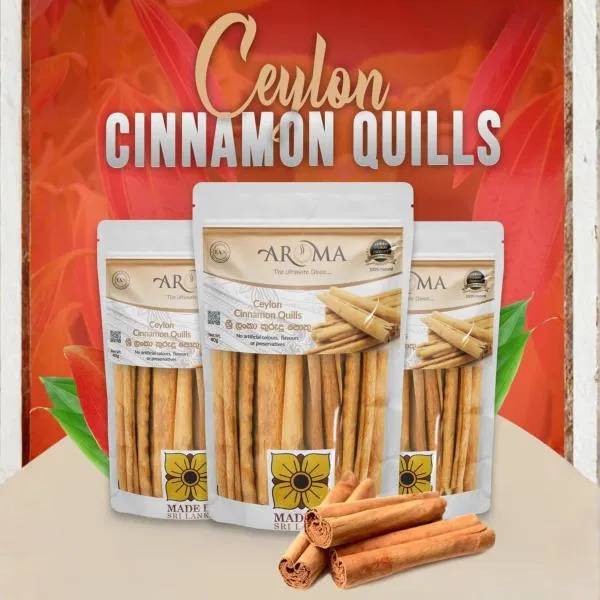
At Sri Lanka Stores, we remove the guesswork. We work directly with local Sri Lankan artisans and farmers to ensure that every quill and every gram of powder is 100% authentic Cinnamomum verum.
Now that you know the secrets of the "cigar roll," the fragility of the bark, and the delicate citrus notes of the aroma, you are no longer just a consumer: you are a cinnamon connoisseur. You can spot the difference between a mass-produced bark and a handcrafted quill of True Cinnamon.
Don't settle for the harsh, woody "fake" when you can experience the complex, health-conscious beauty of the real thing. Whether you're brewing a pot of tea or baking a signature dessert, the difference is something you: and your customers: will taste immediately.
Ready to upgrade your spice cabinet? Explore our curated selection and buy authentic Ceylon cinnamon online today. Experience the true heritage of Sri Lanka, delivered straight to your door.

Warmly,
The Sri Lanka Stores Team 🇱🇰