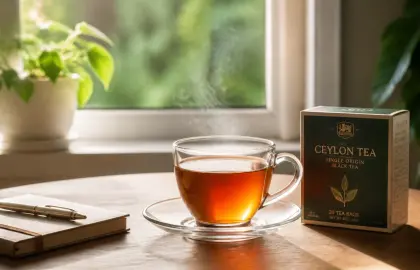
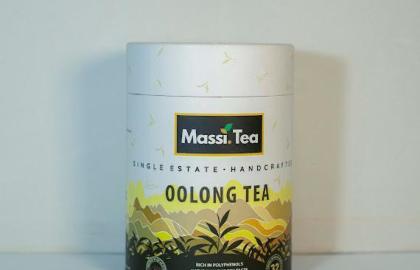
Launching a tea brand is about more than choosing a beautiful box. Your customers are buying a flavour experience, origin story, and promise of consistency: all in one cup.
For retailers, cafés, gift companies, importers, and distributors, private label tea Sri Lanka offers a practical route to building that promise around authentic Ceylon tea. You can select the origin, grade, cup profile, format, packaging, and commercial structure that suit your market while working with Sri Lankan sourcing partners.
This guide explains how to turn a tea concept into a B2B-ready product line.
Private-label tea is produced or packed by a specialist supplier and sold under your own brand name.
Depending on your business model, you may choose:
This is different from simply buying general wholesale tea. With private label, you are making deliberate decisions about the final product and how customers experience your brand.
Sri Lanka Stores can help businesses explore authentic Sri Lankan products and B2B purchasing options through its tea collection and online store.
Start with your customer and sales channel. A premium tea boutique may need a very different product from a busy café or supermarket distributor.
Ask yourself:
Your answers create a product brief. That brief should guide every later decision, from leaf grade to carton size.
Sri Lankan tea is shaped by elevation, climate, soil, season, and craftsmanship. These differences create a vibrant range of aromas, liquor colours, body, and finish.
Tea from areas such as Nuwara Eliya, Dimbula, and Uva is often associated with:
This profile can suit premium loose-leaf lines, specialty retailers, and elegant gift collections.
Tea from the Kandy area is commonly valued for:
It can work well for a broad retail range or a house blend.
Tea from regions such as Ruhuna and Sabaragamuwa may offer:
This profile is often suitable for breakfast teas, cafés, restaurants, and robust blends.
The Sri Lanka Export Development Board’s Ceylon black tea overview explains how regional terroir, manufacturing method, and leaf size contribute to the character of Ceylon tea.
Tea grades describe the size, shape, and style of the leaf. They are not simply a quality ranking. A smaller grade may be ideal for tea bags, while a whole-leaf grade may be better for a premium loose-leaf product.
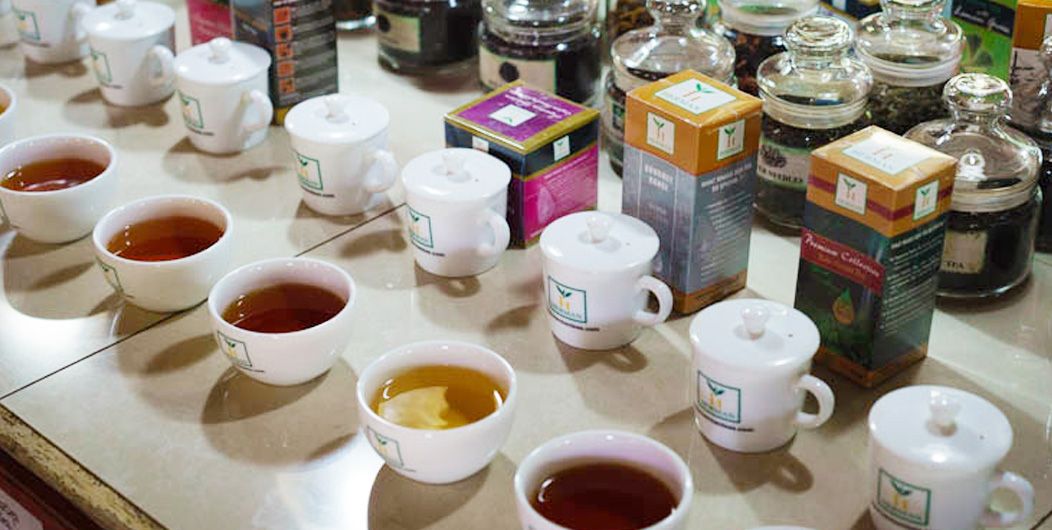
For a deeper technical reference, Ceylon tea grade terminology explains common whole-leaf, broken-leaf, fannings, and dust grades.
| Business need | Possible starting point |
|---|---|
| Premium loose leaf | OP, OP1, FBOP, silver tips |
| Everyday loose leaf | Pekoe, BOP, or a balanced regional blend |
| Standard tea bags | BOPF |
| Strong breakfast or café tea | BOP, BOPF, or a CTC blend |
| Luxury gift range | Single-estate or high-grown whole leaf |
Always request samples. Grade names provide useful structure, but the final decision should be based on cup tasting, aroma, appearance, and performance in your intended format.
Your supplier should help you create a written tea specification. This is the reference point for sampling, production, and quality control.
Include:
Flavoured teas can include notes such as bergamot, ginger, cinnamon, mango, lemon, or cardamom. However, the flavour should support the tea rather than conceal it. The Ceylon Tea product specification states that flavouring should complement the recognisable sensory character of Ceylon tea.

Packaging formats can vary from cartons and sachets to pouches and tins. A private-label design should be developed around your own brand identity and market requirements.
Packaging is part of your product strategy: not a final decoration.
Choose between:
Your packaging partner should confirm material suitability, sealing performance, shelf-life protection, and minimum print quantities.
Your final pack may need:
Rules vary across the USA, UK, European Union, Australia, and other markets. Your importer or regulatory adviser should review the final artwork before printing.
If you use “Ceylon Tea” or an official origin mark, confirm the requirements with the Sri Lanka Tea Board and your licensed exporter. The Tea Board’s published Ceylon Tea specification states that Ceylon tea is produced, blended, flavoured, and packed in Sri Lanka under the applicable specification. Do not assume that a Sri Lankan ingredient alone permits every origin claim in every market.
There is no single universal minimum order for private-label tea. Your MOQ may depend on:
A practical way to begin is to reduce complexity:
Ask for separate pricing for tea, blending, flavouring, packaging, cartons, documentation, and freight. This makes it easier to compare suppliers and calculate your landed cost.
A private-label brand grows when each reorder feels familiar to the customer.
Before production, request:
Keep an approved reference sample. When a new batch is produced, compare it against the agreed profile for:
A trained tea taster or qualified quality professional should support sensory approval for commercial products.
For worldwide B2B orders, decide whether you need:
Your shipment planning should cover:
Tea is sensitive to moisture, heat, light, and odours. Packaging and storage should protect the product throughout the journey from Sri Lanka to your warehouse.
Private label does not mean anonymous. Your brand can tell a clear, respectful story about:
Be specific and honest. A real region, grade, or production detail creates more trust than vague luxury language.
For additional background, you can also explore Sri Lanka Stores’ articles on Ceylon tea heritage and premium Ceylon tea.
When contacting Sri Lanka Stores, prepare:
A focused enquiry helps turn a broad idea into a practical quotation and sourcing plan.
The best private-label tea lines combine commercial clarity with authentic heritage. You choose the market, format, and brand promise. Sri Lankan tea brings the origin, craft, and vibrant sensory identity.
Whether you are developing a café house blend, a premium gift collection, or a retail range for international distribution, Sri Lanka Stores can help you explore authentic sourcing and B2B opportunities.
Send a business enquiry to Sri Lanka Stores with your requirements, and begin shaping a private-label tea range your customers will remember: one timeless cup at a time. 🍵
Wishing your brand a successful launch filled with genuine connection, thoughtful craftsmanship, and the warm spirit of Sri Lanka.