A piece of batik begins with a pattern. A cinnamon quill begins with a living tree. A cup of tea carries the work of many hands, from the hillside to the factory and beyond.
These are different crafts and livelihoods, each shaped by knowledge, materials and time. Together, they tell a story of Sri Lanka’s makers: the farmers, artisans and small producers whose work brings enduring traditions into everyday life.
At Sri Lanka Stores, we’re proud to help connect these makers and local brands with shoppers around the world. There isn’t one single story behind the marketplace. There are many: woven, grown, carved, gathered and carefully made.
Batik is a form of wax-resist dyeing: wax is applied to selected areas of cloth so they resist dye, helping create the design. Depending on the pattern, makers may repeat the process with more wax and colour, building up intricate shapes and vibrant contrasts.
The work asks for a steady hand and a clear sense of how each stage will affect the next. A motif that looks simple from a distance may hold fine details up close. The finished fabric carries traces of the decisions made along the way.
Sri Lanka’s batik makers keep this tradition present in clothing and textiles for contemporary life. If you’d like to explore examples of the craft, visit our Batik collection or browse more Sri Lankan handicrafts.
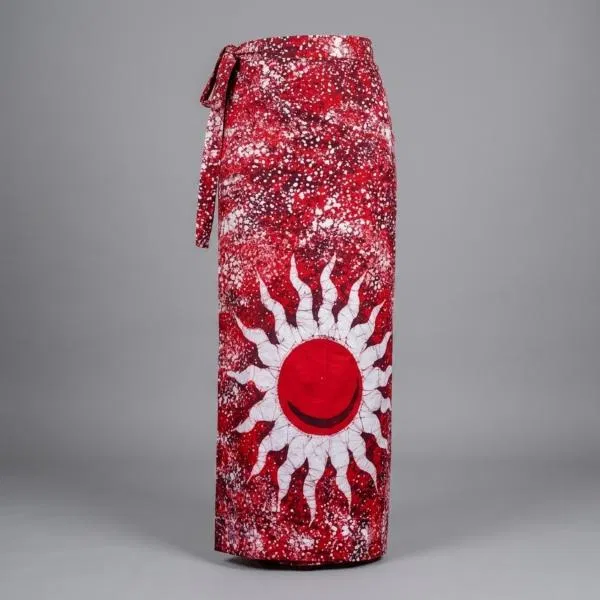
Batik fabric offers a vivid canvas for wax-resist pattern and colour.
In Sri Lanka’s cinnamon-growing regions, work moves from cultivation to careful processing. Farmers tend to cinnamon trees, while skilled peelers prepare the bark, removing its outer layers and working with the inner bark to form the familiar quills.
The process depends on touch, timing and experience. Different stages transform a branch into the delicate, layered sticks recognised around the world as Ceylon cinnamon. The finished spice may be familiar in a kitchen, but its form carries the labour of growing and preparation behind it.
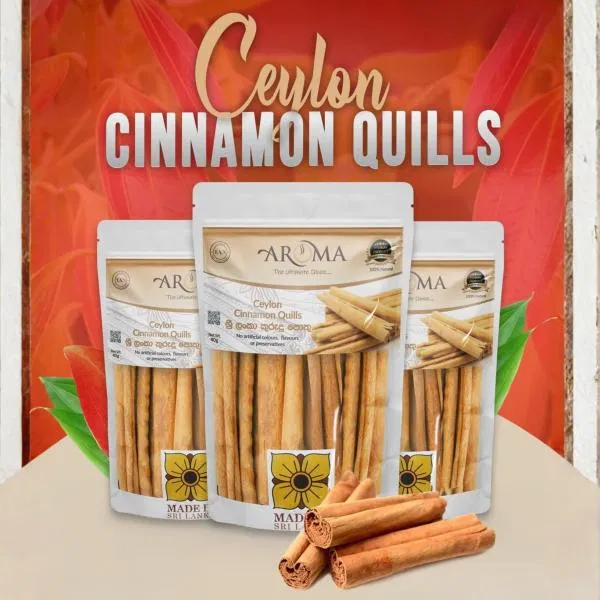
Cinnamon quills show the transformation from tree bark to a distinctive finished spice.
At harvest time and beyond, this knowledge is practical as well as cultural. It is learned through repeated work, observation and shared experience. Explore the Sri Lankan spices collection to see some of the products that bring these distinctive aromas to kitchens worldwide.
Tea’s journey also involves a community of growers and makers. Tea pluckers select leaves during the harvest, while factory teams handle stages of processing that shape the tea’s character. Small factories and larger producers alike work with the leaves as they arrive from the fields, following methods that turn fresh harvest into a finished tea.
The rhythm is connected to the land and the seasons. The work of plucking and processing follows the crop, and each stage calls for care. Behind the familiar phrase “Ceylon tea” is a chain of people whose skills help carry a harvest from the garden to the cup.

A finished tea product represents work that begins far earlier, in the growing fields and processing stages.
You can explore our Sri Lankan tea collection and discover the variety of teas offered through the marketplace.
Coconut is part of daily life in Sri Lanka, and its value extends beyond the fruit. Depending on the maker and material, coconut shell can be shaped into decorative or useful objects. The shell’s natural curves and patterns give each piece its own character, while cutting, shaping and finishing call for patience and skill.
Another palm-based tradition centres on kithul, a fishtail palm. Kithul tappers collect sap from the flower stalk, and producers process it into familiar foods such as treacle and hakuru. Jaggery, a traditional solid sweetener. The work involves specialist knowledge and close attention to the changing material. Fresh sap is perishable, so its handling and processing need to be timely.
These livelihoods connect people to plants, local conditions and inherited know-how. For shoppers, finished products can make those connections more visible. Sri Lanka Stores offers collections such as coconut products and kithul hakuru.
Sri Lankan wood carvers transform blocks of wood into forms with expression and detail. Mask makers, in particular, work through stages of shaping, carving, smoothing and painting. Each stage changes the object, bringing its features into focus.
Traditional masks have cultural and performance contexts as well as decorative appeal. Their expressions and colours can carry stories that deserve to be understood with respect. The process itself also tells a story: a maker reads the material, brings out its shape, and finishes the surface by hand.
For a closer look at the knowledge behind Sri Lankan craft traditions, UNESCO’s description of Dumbara mat craftsmanship offers another example of skills passed through practice and generations. It is a different craft, but it helps show how much cultural knowledge can be held in the making process.
Some makers work with materials that might otherwise be left unused. Coconut shell, arecanut leaf and paper pulp can each become the starting point for craft, depending on the maker’s method and design. The material shapes the possibilities: shell can be cut and polished, leaf can be pressed or formed, and paper pulp can be built up into sculptural forms.
These approaches bring together creativity and resourcefulness. They also show that tradition is not frozen in time. Makers can continue established skills while exploring new uses, designs and ways to reach customers.

Handwoven craft brings texture and patient workmanship into everyday objects.
Explore our eco-friendly coconut products and arecanut leaf products to see examples of craft and material use represented in the marketplace.
For small producers, making a beautiful product is only part of the journey. Finding new customers, presenting work clearly online, preparing products for shipping and maintaining access to wider markets can all take time and resources. Each producer’s circumstances are different, but the distance between a workshop or farm and an international customer can be significant.
A marketplace can help bridge that distance. Sri Lanka Stores brings products from local brands, farmers and artisans together in one place, making it easier for shoppers abroad to discover them. Our About Us page shares more about the marketplace and its role in connecting Sri Lankan producers with customers around the world.
Pro Tip: When you explore handmade goods, take a moment to look at the material, the technique and the details of the finish. They can offer a small window into the work behind the object.
From a batik pattern formed through layers of wax and dye to cinnamon prepared by practiced hands, Sri Lankan products carry more than their materials. They hold time, knowledge and the rhythms of people working with land and craft.
We’re grateful to the Sri Lankan artisans and farmers whose work brings this heritage to life. Sri Lanka Stores is here to help connect their products with shoppers worldwide, so those connections can continue across homes, communities and borders.
May each discovery bring you a little closer to the people, skills and traditions behind it.