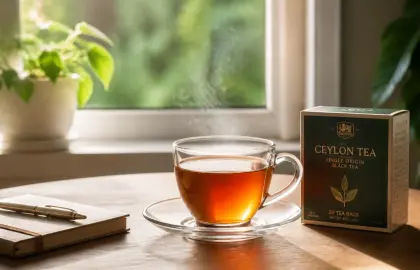
A quiet cup of green tea can bring a little calm to a busy day. When that tea comes from Sri Lanka, it also carries a story shaped by misty hills, skilled hands and generations of tea-making knowledge.
If you’re looking for loose leaf Ceylon green tea online, it helps to know what makes Sri Lankan green tea distinctive, what “antioxidant-rich” really means, and how to choose a product that suits your cup. Whether you’re in the USA, UK, Australia or elsewhere, this guide will help you shop with confidence, and enjoy every fragrant sip.
Ceylon is the historic name for Sri Lanka, an island with a long and much-loved tea heritage. Ceylon tea refers to tea grown and processed in Sri Lanka. But green tea is not simply one fixed style: location, leaf grade and processing all shape its aroma and taste.
Sri Lankan green tea may be made using different techniques, including panning or steaming. These methods help limit oxidation soon after the leaves are picked, preserving the tea’s green character. Depending on the style, your cup might taste fresh and grassy, gently floral, clean and bright, or rounded with a soft, mellow finish.
The Sri Lanka Tea Board lists styles such as Young Hyson, Chun Mee, Gunpowder and Sencha among Sri Lankan green teas. Each name suggests a different leaf shape or processing tradition, giving you something new to explore.

A tea’s growing region, season and handling can add further character. That’s part of the pleasure: Ceylon green tea offers a vibrant range of experiences, rather than just one flavour profile.
Green tea naturally contains polyphenols, a group of plant compounds that includes catechins. You may also see EGCG, epigallocatechin gallate, mentioned as one of green tea’s familiar catechins. These compounds are studied for their antioxidant activity.
A 2022 study tested infusions made from Sri Lankan black and green teas using several laboratory antioxidant assays. The sampled green teas showed higher measured antioxidant activity than the sampled black teas in those tests. This is interesting evidence about the samples, not a guarantee that every tea has the same composition or effect.
It’s also worth keeping health language in perspective. Antioxidant activity measured in a laboratory does not prove that drinking a particular tea prevents or treats disease. Your cup can be a refreshing part of a balanced routine, but it isn’t a medical treatment. Ordinary brewed tea is also different from concentrated green tea extracts and supplements.
The simple takeaway: antioxidant-rich green tea offers naturally occurring tea polyphenols, along with a delicate flavour and a meaningful connection to Sri Lankan tea craft.
Loose leaf gives the leaves room to unfurl as they steep and lets you adjust how much tea you use. Many tea lovers also enjoy seeing the dry leaves before brewing; their shape, colour and aroma are part of the experience.
Loose leaf may be right for you if you:
Tea bags can be a convenient option when you want a quick cup at work or while travelling. Neither format is automatically better: leaf quality, freshness and clear product information matter more than the format alone.
Shopping online means you can’t open the packet and smell the leaves first. A thoughtful product page can still offer useful clues.
Look for a clear statement that the tea is from Sri Lanka or described as Ceylon tea. If the listing includes a region, estate, producer or style, you’ll have more context for understanding what’s in your cup.
If you want unflavoured green tea, check whether the listing identifies the tea as pure green tea or mentions added flowers, herbs or flavourings. Don’t assume that every green tea listing is a single-ingredient product.
Tea gradually loses aroma when exposed to air, moisture, heat and light. Check the packaging details, weight, best-before date and any batch information provided. Once your tea arrives, keep it sealed in a cool, dry place away from strong-smelling spices and foods.
Words such as “premium,” “natural” or “antioxidant-rich” may sound appealing, but they don’t tell you everything about a tea’s origin or composition. Clear descriptions and specific product information help you make a more informed choice.
Pro Tip: Start with a small pack if you’re trying an unfamiliar style. Once you find a taste you love, you can decide whether a larger pack or regular order makes sense.
Tea growing is part of Sri Lanka’s landscape and livelihood. Across its varied tea regions, people cultivate and process Camellia sinensis, the tea plant, into green, black and other styles. Green tea’s gentle processing preserves a different character from the familiar briskness of many black teas.
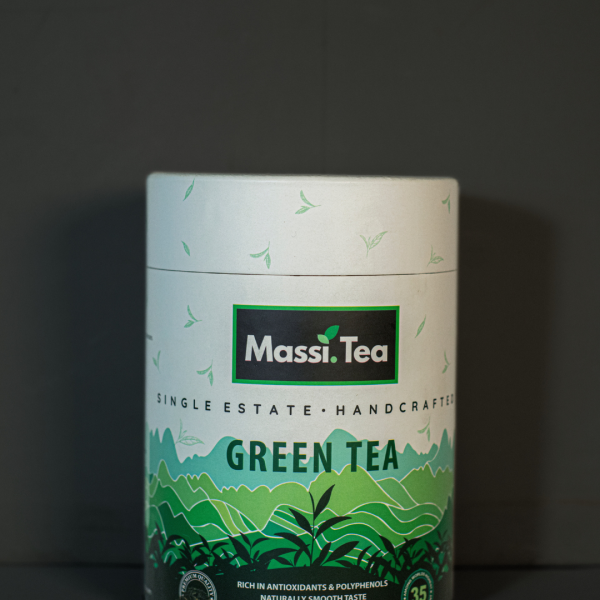
For tea lovers living far from the island, finding an authentic selection can take a little searching. Sri Lanka Stores helps bridge that distance by bringing Sri Lankan products together in one online marketplace. You can browse the Sri Lankan Tea collection and explore the premium tea selection. For a current example of a green tea listing, see this handcrafted single-estate green tea.
Customers in the USA, UK and Australia can explore Sri Lankan products online, with delivery options and rates depending on destination and order details. Business buyers can also review the marketplace’s tea wholesale guide for cafés and hotels for practical sourcing considerations.

A good green tea doesn’t need grand claims to earn a place in your cupboard. It can offer a fresh, gently layered flavour, naturally occurring polyphenols and a small daily moment connected to Sri Lanka’s enduring tea heritage.
When you shop for loose leaf Ceylon green tea online, look for clear origin information, a style that appeals to you and packaging that protects freshness. Then take time to enjoy the colour, aroma and character of your cup.
May your next brew bring a moment of calm, and a warm connection to the vibrant tea traditions of Sri Lanka. 🍃
Sources and further reading: