Sri Lanka offers a vibrant portfolio of products with strong appeal for specialty retailers, grocers, restaurants, gift shops, importers, and distributors. From fragrant Ceylon tea and delicate cinnamon quills to traditional sweets, Ayurvedic goods, Batik clothing, and handmade crafts, each category brings a distinct story of place, skill, and heritage.
For a business buyer, however, authentic sourcing involves more than choosing attractive products. You also need to assess supplier reliability, packaging, shelf life, documentation, landed cost, and customer demand.
This guide will help you build a commercially practical and culturally authentic assortment of Sri Lankan products wholesale.
Sri Lankan goods can help you create a specialty range that feels distinctive, giftable, and connected to a real origin. The island’s products are shaped by tropical agriculture, centuries of craftsmanship, and culinary and wellness traditions passed between generations.
A well-planned assortment can serve several customer groups:
The opportunity is strongest when your range combines everyday products with premium or gift-oriented items.
A successful wholesale range does not need to include every available category. Instead, choose products that complement one another and suit your sales channel, storage space, and customer profile.

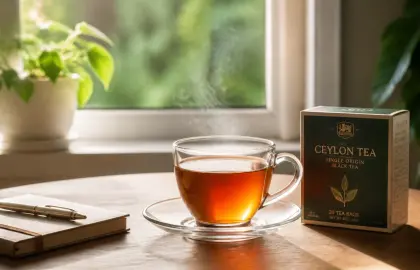
Ceylon tea remains one of Sri Lanka’s most recognisable exports. You can explore the Sri Lanka Stores tea collection for products suited to everyday retail, premium gifting, and specialty tea displays.
Consider stocking a mixture of:
Regional names such as Nuwara Eliya, Uva, and Kandy can add interest when the product documentation and labelling support the origin claim.
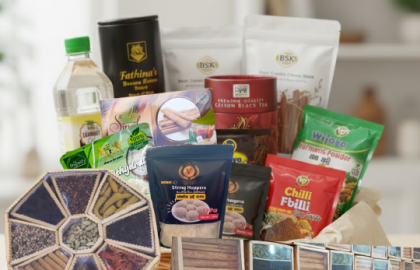
Sri Lankan spices provide excellent opportunities for both grocery and gift retail. The Sri Lanka Stores spices collection includes cinnamon, curry powders, chilli, turmeric, pepper, cloves, and spice gift boxes.
Popular wholesale options include:
When sourcing cinnamon, pay close attention to the wording Ceylon cinnamon, which refers to true cinnamon associated with Sri Lanka. Ask suppliers to clarify grade, format, origin, and batch details.
Traditional products can introduce customers to Sri Lankan culture through familiar, approachable formats. Consider shelf-stable items such as:
For products such as kithul, request a clear explanation on the label. Kithul is a traditional palm-based ingredient associated with the fishtail palm and is valued for its distinctive caramel-like character.
Coconut is central to Sri Lankan food culture and offers a versatile range for grocers, restaurants, health stores, and gift shops. The Sri Lanka Stores coconut products collection includes coconut milk, coconut oil, desiccated coconut, snack chips, and dried coconut products.
Your range might include:
Check whether each product is ambient, temperature-sensitive, or affected by exposure to heat and humidity.
Ayurveda, meaning a traditional system of wellness originating in South Asia, is represented in Sri Lanka through herbal teas, oils, balms, personal-care products, and botanical preparations.
Potential products include:
These products require careful attention to claims and regulations. Avoid marketing a cosmetic or herbal item as a treatment unless the product is legally permitted to make that claim in your market.
Batik is a wax-resist textile-dyeing technique that creates intricate patterns and vibrant layers of colour. Batik sarongs, scarves, shirts, dresses, and home accents can give your store a strong visual identity.
Handmade products may include:
Ask about materials, dimensions, care instructions, artisan production methods, and packaging. Handmade products may naturally vary slightly, which can be part of their character rather than a defect.
Before committing to a large order, treat supplier verification as a commercial and quality-control exercise.
Start by requesting:
For independent research, the Sri Lanka Export Development Board buyer resources provide useful background for businesses exploring Sri Lankan export sectors.
For tea, ask whether the supplier works with the relevant Sri Lankan tea authorities and can provide appropriate product and origin documentation. For food products, request recent laboratory or quality reports where appropriate.
Pro Tip: Always order samples before approving a wholesale shipment. Samples allow you to inspect taste, aroma, packaging, label clarity, product condition, and presentation quality together.
MOQ, or minimum order quantity, is the smallest quantity a supplier will accept for a product or order. It can vary significantly across categories.
Ask whether the MOQ applies:
A gift shop may prefer smaller mixed quantities, while a distributor or grocery importer may work with cartons, pallets, or larger consolidated shipments.
Before comparing quotes, confirm whether the price is:
Also clarify payment terms, production lead time, replacement policies, and whether prices include export packaging.

Packaging must protect the product and support retail presentation. For food, tea, spices, and oils, inspect:
For tea and spices, barrier packaging can help protect freshness from moisture, oxygen, light, and odours. Whole spices often retain their visual appeal particularly well, while ground spices may require closer attention to aroma retention and shelf-life dates.
For Ayurvedic goods and cosmetics, check:
For Batik and crafts, evaluate colourfastness, stitching, finish, fabric composition, and protection against moisture during transport.
Shelf life varies by formula, processing method, packaging, and storage conditions. Never rely on a generic estimate. Ask for the supplier’s technical data sheet and confirm that the remaining shelf life at dispatch meets your requirements.
Wholesale price alone does not show whether a product will be profitable. Your landed cost may include:
A simple gross-margin calculation is:
Gross margin = (Retail price − Landed cost) ÷ Retail price
Use this as a planning tool rather than a promise of profitability. Premium tea tins, spice gift boxes, Batik, and crafts may support stronger perceived value, while staple grocery items may depend more on volume and repeat purchasing.
Plan separate price points for:
Sri Lankan products can be shipped internationally, but each category may have different import requirements. Before placing an order, confirm:
Food, herbal, and cosmetic products may face stricter rules than textiles or decorative crafts. Your customs broker or local import authority should confirm the requirements for your destination market.
For an initial order, a smaller consolidated shipment can help you test demand and logistics before moving to larger volumes.
Authenticity is not created by placing a flag on a shelf. It comes from accurate product information, respectful storytelling, and a range that reflects Sri Lanka’s diversity.
A thoughtful assortment could include:
Add simple point-of-sale information explaining terms such as Ceylon, kithul, Batik, and Ayurveda. Customers appreciate learning how a product connects to Sri Lankan land, foodways, and craftsmanship.

Before confirming an order, make sure you have:
Sourcing Sri Lankan products wholesale gives your business the opportunity to offer vibrant flavours, timeless craftsmanship, and meaningful gifts from a remarkable island heritage.
At Sri Lanka Stores, business buyers can explore a curated marketplace covering tea, spices, coconut products, organic goods, herbal products, foods, textiles, and crafts.
Pro Tip: For a tailored B2B enquiry, contact Sri Lanka Stores at +94 76 837 3023 with your destination country, product categories, estimated quantities, and preferred packaging. A clear brief helps you evaluate the right assortment more efficiently.
May your shelves bring customers closer to Sri Lanka through every fragrant tea, intricate textile, aromatic spice, and thoughtfully made gift. 🌿