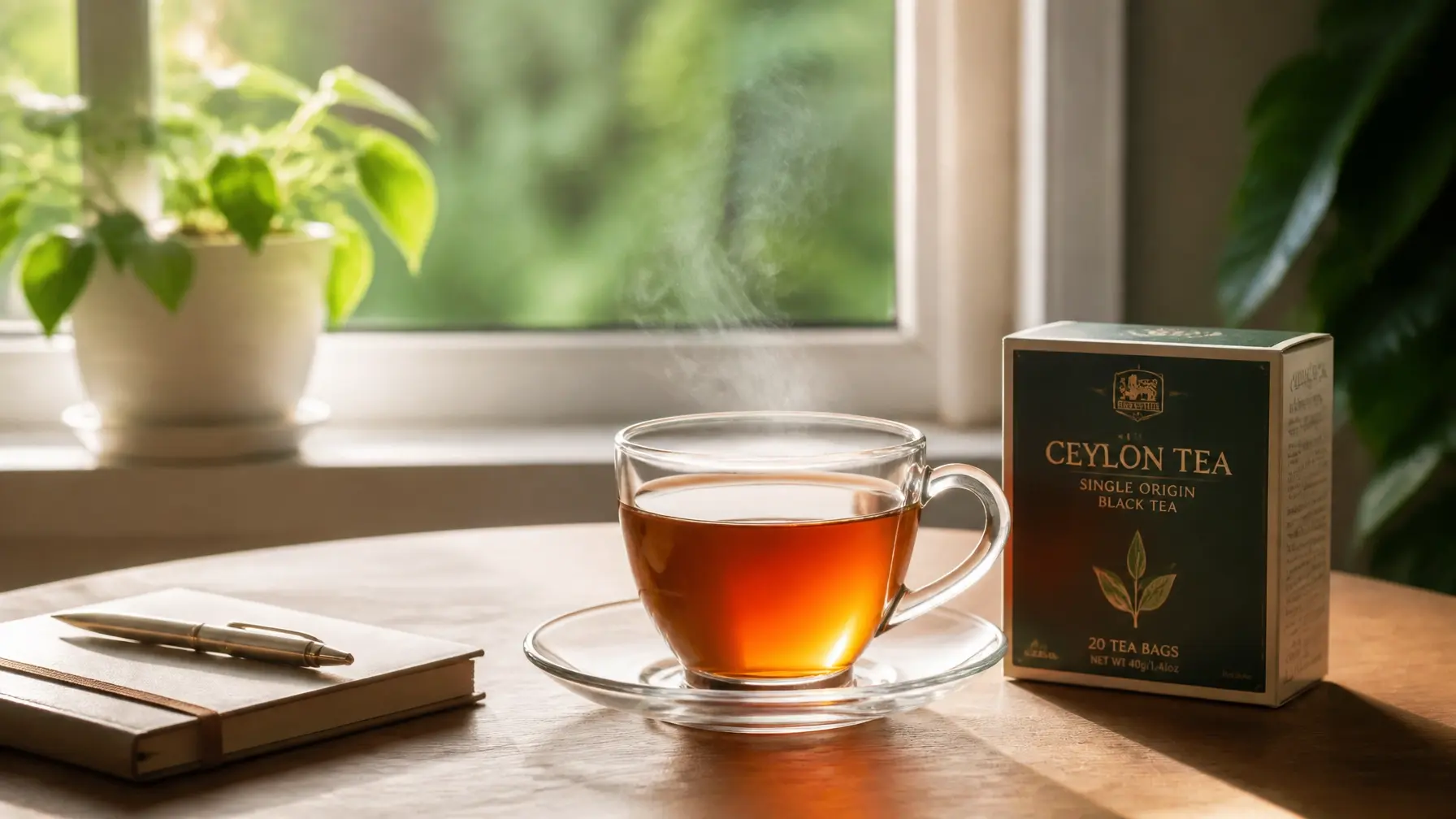
For a café or hotel, tea is more than a beverage on the menu. It is part of the guest experience.
A well-chosen Ceylon tea wholesale supply gives your team consistency during a busy breakfast service, a polished presentation in the lounge, and a memorable local touch in an afternoon tea setting. The right tea also needs to work operationally: it should be easy to portion, simple to store, dependable to replenish, and suitable for the way your guests actually drink tea.
Whether you manage a boutique café, a resort, a restaurant, a catering company, or a hotel group, this guide will help you build a practical Ceylon tea for hospitality program.
Before comparing suppliers or pack sizes, map where tea is served in your business.
You may need different formats for:
A single tea rarely performs perfectly across every occasion. A stronger black tea may suit breakfast and milk service, while a fragrant loose-leaf tea may be better for a premium pot-service menu.
Pro Tip: Divide your program into “everyday service,” “premium service,” and “wellness service.” This makes it easier to choose products without overcomplicating your menu.
A balanced hospitality selection usually includes black tea, green tea, herbal infusions, and caffeine-free options.
Black tea is often the operational foundation of a hotel or café tea menu. It works well for:
Look for a black tea with enough body to remain characterful when milk is added. A bright, brisk profile can feel refreshing, while a fuller profile may be more satisfying for breakfast.
Green tea offers a lighter, fresher option for guests who prefer a delicate cup. It can support:
Its flavor may be grassy, gently nutty, floral, or clean depending on the tea and its origin. It should be presented as a distinct experience rather than simply another version of black tea.
Herbal teas can help your menu serve guests who avoid caffeine or prefer soothing evening beverages. Sri Lankan options may include cinnamon-based infusions, belimal, iramusu, curry-leaf tea, and other traditional herbal drinks.
These products can add cultural depth to a hotel or café menu, particularly when their names are explained clearly. For example, belimal refers to an infusion made from bael, a traditional Sri Lankan fruit; iramusu is a herbal infusion associated with Indian sarsaparilla.

The best format depends on your service style, staff capacity, and desired presentation.
| Format | Best suited to | Main advantage | Operational consideration |
|---|---|---|---|
| Loose leaf | Tea lounges, premium cafés, afternoon tea | Rich presentation and flexible portioning | Requires teapots, strainers, and staff training |
| Standard tea bags | Breakfast, rooms, banquets, conferences | Fast, clean, and consistent | Choose suitable packaging for freshness |
| Pyramid tea bags | Premium cafés, resorts, guest rooms | Better visual presentation and room for larger leaves | Usually carries a higher unit cost |
| Individually wrapped bags | Hotels, catering, room service | Hygiene, freshness, and easy handling | Creates more packaging waste |
| Bulk food-service packs | High-volume cafés and hotel kitchens | Lower cost per serving | Requires airtight storage after opening |
For many businesses, a hybrid supply works best. Use tea bags for rooms, events, and breakfast buffets, then offer loose leaf or pyramid bags in your signature tea service.
Tea grade influences the speed of infusion, strength, clarity, and mouthfeel.
Common categories include:
Do not choose a grade based on prestige alone. Choose it according to the job it must perform.
A hotel breakfast buffet may benefit from a dependable BOP-style black tea. A premium café may prefer whole leaf for pot service. A catering operation may value a fast-infusing format that stays consistent across many servings.
Ceylon tea is grown across varied elevations and landscapes, creating different flavor expressions.
In broad terms:
These are general style cues, not rigid rules. Blending regions can help a supplier create a consistent breakfast tea throughout the year, while single-region teas can give your premium menu a more distinctive story.
When requesting samples, ask suppliers to describe each tea using practical service language:
This kind of information is more useful to hospitality teams than a long list of technical terms without a service context.
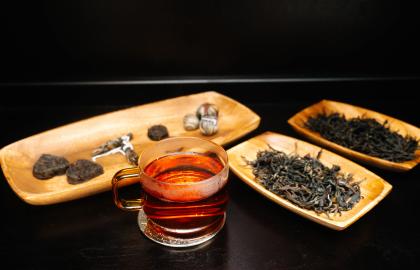
A sample tasting should reflect how the tea will be served, not only how it tastes in a quiet cupping environment.
Test each candidate in the following ways:
A useful tasting sheet can include:
Pro Tip: Ask for samples in the exact pack format you may order. A loose-leaf sample will not tell you how an individually wrapped tea bag performs during a busy breakfast service.
Your supply should match your consumption pattern. Small cafés may prefer cartons or medium food-service packs, while hotels and caterers may need larger quantities with scheduled replenishment.
Ask your supplier about:
For storage, keep tea:
Use FIFO, first in, first out, rotation so older stock is used before newer deliveries. This simple system helps protect aroma, reduce waste, and make inventory checks easier.

Private label can be valuable for hotel groups, café chains, resorts, and specialist tea rooms that want a distinctive branded experience.
Possible formats include:
Before proceeding, confirm:
Private label is not always necessary for a smaller café. A carefully selected authentic Sri Lankan product can provide a strong story without requiring a large custom production run.
If you are sourcing internationally, delivery planning is part of product quality.
Discuss the following with your supplier:
Sri Lanka’s tea industry supports bulk-packed, loose-leaf, tea-bag, green, black, herbal, and other tea formats for international buyers. The Sri Lanka Export Development Board’s bulk tea guidance is a useful starting point for understanding available packaging and export considerations.
For smaller or recurring hospitality orders, an online marketplace with worldwide shipping can help bridge the distance between your operation and authentic Sri Lankan products. Sri Lanka Stores supports tea shopping and product discovery, while its online store provides a practical starting point for reviewing available items.
Before choosing your Ceylon tea wholesale supply, confirm that you can answer “yes” to these questions:
The ideal supplier is not simply the one offering the largest catalogue. It is the partner that understands your daily operation, service standards, guest expectations, and growth plans.
The best Ceylon tea for hospitality brings together heritage and practicality. It should taste vibrant in the cup, look appropriate on the table, perform consistently during busy service, and arrive in a format your team can manage.
Start with your service occasions. Sample thoughtfully. Choose formats for real operational needs. Then establish clear storage and replenishment routines.
For cafés, hotels, restaurants, caterers, and hospitality groups seeking authentic Sri Lankan tea, contact Sri Lanka Stores to discuss product selection, wholesale quantities, and international delivery. You can also call +94 76 837 3023 to begin a business enquiry.
May every cup you serve carry the warmth, craftsmanship, and timeless character of Ceylon. 🌿