There is a particular comfort in opening a packet of dhal curry or a neatly packed rice dish and catching that familiar aroma of roasted spices, coconut, curry leaves and chilli. For many households, ready to eat Sri Lankan food is not a shortcut in the lazy sense. It is a practical way to keep real flavour, memory and routine close at hand when time is short, ingredients are hard to source, or a proper home-cooked spread is simply not possible on a busy weekday.
That is exactly why these foods matter to diaspora families, students, professionals and anyone building a pantry with genuine Ceylon staples. They offer convenience, yes, but the better reason is continuity. A good ready meal should still taste like something your family would recognise - balanced, fragrant, properly spiced and rooted in the dishes Sri Lankans actually eat.
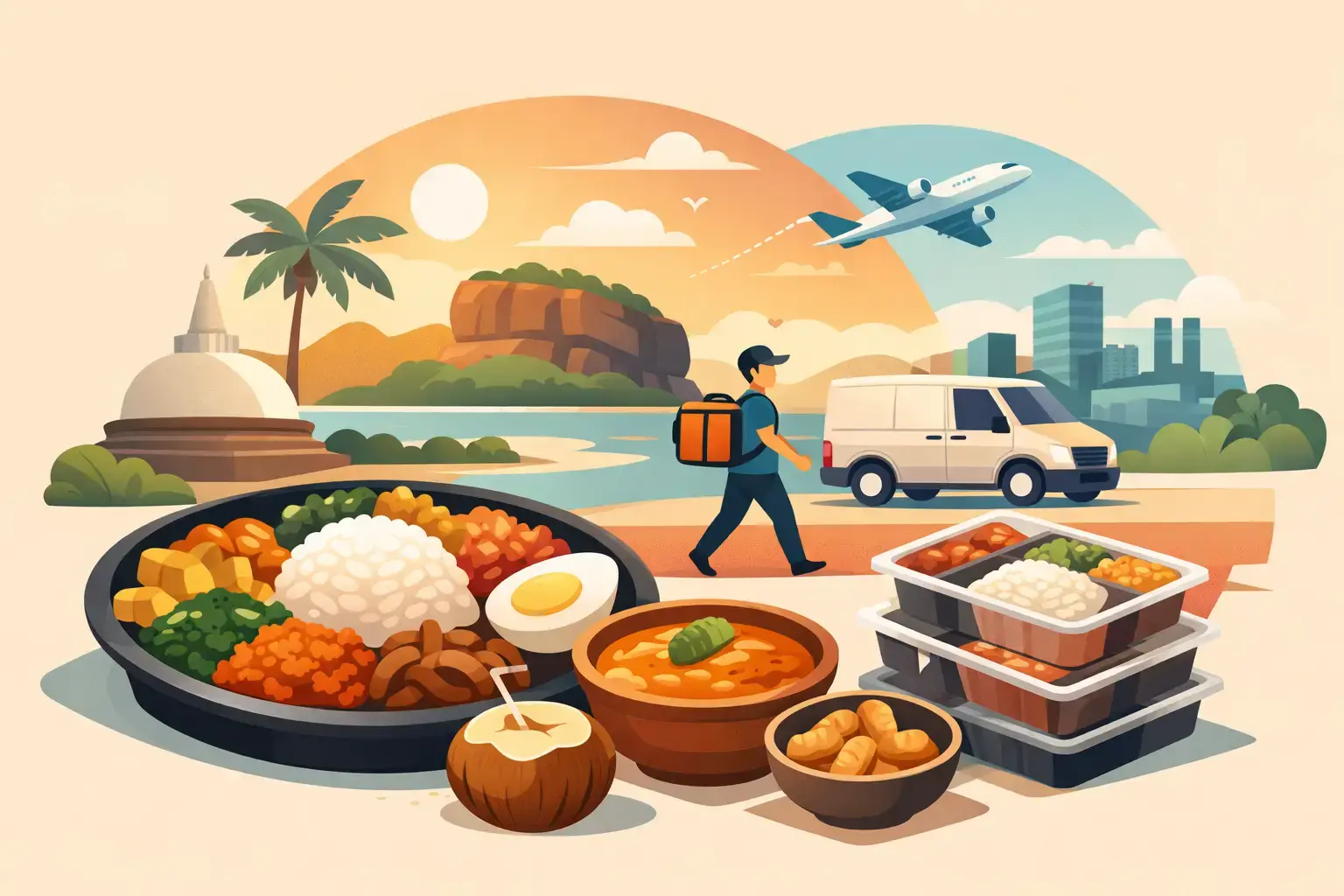
Not every convenient meal earns a place in the cupboard. The appeal of ready to eat Sri Lankan food lies in how well it carries the character of the cuisine itself. Sri Lankan food is layered. You notice toasted spice, tang from tamarind or goraka, the richness of coconut, gentle sweetness in some curries, and heat that can range from soft to fiery depending on the dish.
When those details are preserved, a ready meal becomes more than a backup option. It becomes something you can rely on for lunch between meetings, a quick supper after the school run, or a familiar meal when you are far from home. This is especially useful in the UK, where access to specialist Sri Lankan groceries can vary a great deal depending on where you live.
There is also the practical side. Many traditional dishes take time. Tempering spices, simmering lentils, preparing mallum, balancing coconut milk - these are rewarding parts of cooking, but they are not always realistic on a Tuesday evening. Ready-to-eat options help bridge that gap without forcing you into bland convenience food.
Some products naturally suit the ready-meal format better than others. Lentil-based dishes are a strong example because dhal curry holds its texture and flavour well. It remains one of the most dependable pantry comforts - filling, familiar and easy to pair with rice, roti or bread.
Fish curry and ambul thiyal style preparations can also work beautifully when produced with care. These dishes depend on bold seasoning, which often carries well in shelf-stable or heat-and-eat packaging. Jackfruit curry, brinjal moju, coconut sambol blends and seasoned rice dishes are equally appealing for shoppers who want variety beyond the usual supermarket options.
For some buyers, the best choice is not a full meal but a ready side dish. A packet of pol sambol, seeni sambol or tempered curry can turn plain rice into something satisfying in minutes. That flexibility matters. Sometimes you want a complete meal; sometimes you only need one authentic component to bring the rest of dinner together.
The label tells you a lot. Start with the dish name itself. If it is clearly rooted in Sri Lankan cooking rather than vaguely described as "curry", that is a good sign. Specificity usually signals confidence in origin and recipe tradition.
Next, look at ingredients. Coconut milk, curry leaves, pandan, mustard seeds, cinnamon, chilli, black pepper, tamarind and proper spice blends all point towards a more authentic flavour profile. If the ingredient list reads like a generic global ready meal with little connection to Sri Lankan pantry staples, expectations should be lower.
It also helps to think about what you actually need from the product. If you are buying for a work lunch, a self-contained rice meal may make most sense. If you are feeding a family, a few ready curries combined with freshly made rice can feel more generous and balanced. And if spice tolerance varies at home, it is worth choosing a milder base dish and adjusting heat with sambols or chilli condiments at the table.
Packaging format matters too. Retort pouches are popular because they store easily, heat quickly and travel well. Tins can be useful for pantry depth, particularly if you like to keep emergency meal options on hand. Frozen options may offer a fresher texture in some cases, but they require more storage space and are less convenient for posting and international shipping.
There is a tendency to treat authenticity as a yes-or-no question. In reality, it depends. Some ready meals are designed to taste as close as possible to home-style cooking. Others are made to suit a wider audience, with softer spice levels or simplified seasoning. That does not automatically make them poor products, but it does change who they are for.
For a Sri Lankan household, authenticity often means more than heat. It means the right aroma, the right sourness, the right use of coconut, and dishes that feel culturally recognisable rather than broadly South Asian. For newer shoppers who are only beginning to explore Ceylon food, a gentler version may still be a useful starting point.
The trade-off is straightforward. The more mass-market a product is, the more likely it is to lose some regional character. The more rooted it is in true Sri Lankan flavour, the more distinctive and sometimes challenging it may seem to unfamiliar palates. Neither option is universally right. It depends on whether you are chasing memory, convenience, introduction or all three.
The strongest case for these products is everyday life. A well-stocked cupboard means you are never far from a proper meal. One pouch of curry, one pot of rice, perhaps a quick fried egg or a spoonful of pickle, and dinner is sorted without fuss.
This works particularly well for families trying to keep cultural food habits alive across generations. Children growing up in the UK may not see full traditional cooking every day, especially in households where both adults work. Ready meals can help keep those tastes familiar. They are not a replacement for festival cooking, family recipes or the slow effort behind a Sunday lunch. But they can keep the thread unbroken between those bigger moments.
They are also useful during travel, after moving house, during exam season, or whenever cooking capacity drops. Anyone who has returned home late and still wanted something more meaningful than toast understands the value immediately.
A ready meal becomes far more satisfying with a little attention. Serve curries with hot rice rather than microwaving everything together into one bowl. Add fresh lime, sliced onion, a little coriander, or a spoon of coconut sambol if you have it. Warm roti separately. Even pappadums on the side can shift the meal from functional to comforting.
Texture makes a difference too. If the dish is soft and rich, pair it with something crisp or sharp. A brinjal pickle, a fresh salad, or a fried chilli can balance the plate. These small additions help ready to eat Sri Lankan food feel closer to the way it would be served at home.
For guests, think of it as part of a spread rather than the whole story. One or two ready curries can sit alongside freshly made rice, a simple salad and a homemade sambol. There is no shame in mixing convenience with your own cooking. Smart kitchens have always done that.
When shoppers look for genuine Sri Lankan foods online, trust sits at the centre of the decision. They want to know that the flavours come from a real Sri Lankan food tradition, not a generic interpretation packed under a tropical label. That is why origin-led marketplaces matter. They gather authentic, recognisable products in one place and make browsing easier for people who know what they want as well as those still learning.
Sri Lanka Stores speaks directly to that need by bringing together a broad range of authentic Ceylon foods and pantry essentials for households that want both convenience and credibility. For diaspora buyers especially, that combination matters. It saves time, reduces guesswork and makes it easier to shop with confidence.
Ready-to-eat products are part of that wider picture. They sit alongside spices, teas, sweets, dried fish and festival favourites as everyday tools for staying connected to Sri Lankan taste and tradition. They are not lesser products. At their best, they are practical expressions of heritage.
If your pantry needs to work as hard as you do, choose foods that still taste like home - or introduce you properly to it.