Warm, fragrant, and gently sweet, cinnamon has a remarkable way of bringing comfort to ordinary moments. Yet not every cinnamon powder offers the same flavour, origin, or natural profile.
When you search for Ceylon cinnamon powder benefits, you are usually looking for more than a pleasant spice. You want to know what makes “true cinnamon” different, whether the wellness claims are credible, and how to choose an authentic product.
This guide explores the evidence with care: from the botanical identity of Cinnamomum verum to its Sri Lankan heritage and naturally low coumarin content.
Ceylon cinnamon is made from the inner bark of Cinnamomum verum, a species also known historically as Cinnamomum zeylanicum. It is commonly called “true cinnamon.”
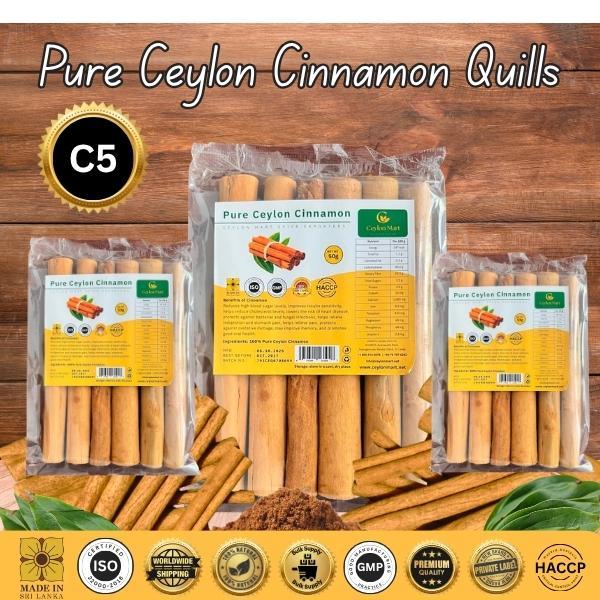
The bark is carefully peeled, dried, and formed into delicate quills before being ground into a fine powder. This traditional process reflects generations of Sri Lankan craftsmanship. Each thin layer contributes to the spice’s refined aroma and softly complex flavour.
Ceylon cinnamon powder is typically:
The powder is convenient, but it is also more vulnerable to aroma loss than whole quills because more surface area is exposed to air.
The word “cinnamon” is often used for several related species. The most common alternative is cassia, which may come from Cinnamomum cassia, Cinnamomum burmannii, or Cinnamomum loureiroi.
Both spices can be aromatic and useful in the kitchen. However, they differ in flavour, botanical identity, and coumarin content.
| Feature | Ceylon cinnamon | Cassia cinnamon |
|---|---|---|
| Botanical name | Cinnamomum verum | Several cassia species |
| Main origin | Sri Lanka | China, Indonesia, Vietnam and elsewhere |
| Flavour | Mild, floral, citrus-like and sweet | Strong, hot, woody and pungent |
| Typical colour | Pale tan or golden brown | Darker reddish brown |
| Coumarin profile | Very low or trace amounts | Substantially higher |
| Texture in quill form | Thin, papery layers | Thick, hard bark |
Ground cinnamon is harder to identify visually than whole quills. Colour and aroma may offer clues, but the label and sourcing information are more reliable than appearance alone.
For a broader look at Ceylon cinnamon sourcing and grades, you can explore the Sri Lanka Stores Ceylon cinnamon collection.
One of the most important potential benefits of Ceylon cinnamon powder is its naturally low coumarin profile.
Coumarin is a naturally occurring plant compound. Cassia cinnamon can contain considerably more of it than Ceylon cinnamon. At high or prolonged intakes, coumarin may present concerns for the liver and blood-clotting system in susceptible people.
The European Food Safety Authority has established a tolerable daily intake of 0.1 mg of coumarin per kilogram of body weight per day. The German Federal Institute for Risk Assessment explains why cassia cinnamon deserves moderation, particularly when consumed frequently or in large quantities.
By contrast, authentic Ceylon cinnamon generally contains negligible or very low levels of coumarin. This does not make unlimited intake appropriate, but it makes Ceylon a sensible option when you enjoy cinnamon regularly as part of your normal diet.
Important: Low coumarin does not mean that concentrated extracts or large supplement doses are automatically suitable for everyone.
Ceylon cinnamon contains aromatic oils and naturally occurring polyphenolic compounds. These substances have demonstrated antioxidant activity in laboratory research.
Antioxidants are compounds that can help neutralise reactive molecules known as free radicals. This is one reason cinnamon is often discussed in relation to general wellness and healthy ageing.
Research on cinnamon has explored:
A review available through the National Library of Medicine describes antioxidant and other biological activity associated with cinnamon. However, it is important to interpret these findings carefully.
Laboratory antioxidant activity does not prove that eating cinnamon prevents a particular disease. Human studies also vary in the cinnamon species, preparation, amount, and length of use. Ceylon powder used in food is not equivalent to a concentrated research extract.
The practical takeaway is simple: Ceylon cinnamon can contribute aromatic plant compounds to your diet, but it should be viewed as a nourishing food ingredient: not a medical treatment.
Cinnamon is frequently discussed in connection with blood sugar. Some small clinical studies and reviews have reported modest changes in fasting glucose, insulin sensitivity, or blood lipid measures. Other studies have found mixed or insignificant results.
There are several reasons for this uncertainty:
As a result, Ceylon cinnamon powder may have potential metabolic relevance, but current evidence does not support using it as a replacement for diabetes medication, prescribed treatment, or professional nutritional advice.
If you have diabetes or take medication that affects blood sugar, speak with a qualified healthcare professional before using cinnamon in concentrated amounts. Culinary use is a different matter from high-dose supplementation.
One of the most practical Ceylon cinnamon powder benefits is its elegant flavour. It adds warmth without overwhelming other ingredients.
Compared with the sharper taste of cassia, Ceylon cinnamon often has:
You can use small culinary amounts in everyday meals and drinks, following the product label and your personal preferences. It can complement hot beverages, breakfast foods, baked goods, fruit, rice dishes, and savoury spice blends.
The goal is balance. A little authentic cinnamon can bring vibrant aroma and depth without needing a large quantity.
Ceylon cinnamon is deeply connected to Sri Lanka’s landscape and identity. The Sri Lanka Department of Export Agriculture describes commercial cultivation across the coastal belt from Negombo to Matara, with important growing areas including Kalutara and Ratnapura. Cinnamon also has natural connections to Sri Lanka’s central hill country and forest regions.
The journey from bark to powder is highly skilled. Cinnamon peelers carefully harvest and process the inner bark, allowing it to dry into the familiar layered quills. These quills may then be selected, milled, and packed for use around the world.
At Sri Lanka Stores, selected products reflect this geographic connection. For example, the C4 Grade Ceylon Cinnamon Finest Powder is described as sourced from farmer communities in the Southern Province and Ratnapura regions and packed in Sri Lanka.
That traceable origin helps bridge the distance between Sri Lankan producers and customers abroad.
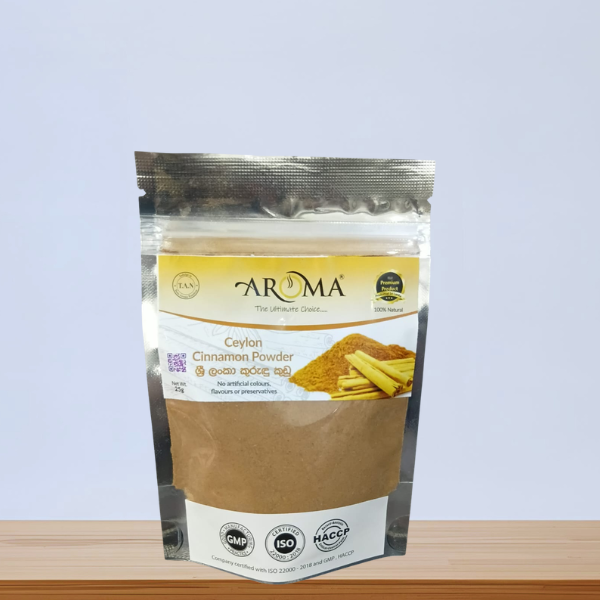
Because ground cinnamon is difficult to identify by sight alone, use a practical label checklist.
Look for:
For business buyers, request documentation such as a Certificate of Analysis, species identification, microbial testing, and coumarin testing when available.
A product labelled only “cinnamon powder” may be cassia or a blend. That label does not provide enough information to confirm Ceylon cinnamon.
Ground cinnamon gradually loses its most delicate volatile oils when exposed to air, moisture, heat, and light.
For the best quality:
An airtight container helps preserve the powder’s warm fragrance and smooth texture. If the aroma becomes flat or musty, it may have lost freshness.
For most healthy adults, using Ceylon cinnamon in ordinary culinary amounts is a reasonable way to enjoy its flavour and potential wellness relevance.
Be more cautious with concentrated capsules, extracts, or large daily quantities. Speak with a healthcare professional first if you:
Cinnamon can be part of a varied, balanced diet. It should not replace medical care or prescribed treatment.
Ceylon cinnamon has a naturally much lower coumarin profile than cassia, which is its main safety-related advantage for regular culinary use. The overall wellness evidence for cinnamon remains developing, so it should not be treated as a cure or medicine.
Some research suggests cinnamon may have modest effects on blood sugar markers, but findings are inconsistent and are not always specific to Cinnamomum verum. Ceylon cinnamon should complement: not replace: professional diabetes care.
Check for Ceylon cinnamon, Cinnamomum verum, and Product of Sri Lanka on the label. A transparent producer, batch information, and quality documentation provide stronger reassurance than colour alone.
Small culinary amounts are generally considered a sensible approach for healthy adults. Avoid assuming that low coumarin makes high-dose supplements appropriate, especially if you take medication or have a liver condition.
The most meaningful Ceylon cinnamon powder benefits begin with authenticity. When you choose Cinnamomum verum, you receive a spice with a delicate sensory profile, a naturally low coumarin character, and a vibrant connection to Sri Lankan cultivation and craftsmanship.
Enjoy it in modest culinary amounts. Store it carefully. Choose products with transparent origin information. And let the warm fragrance of true cinnamon bring a little piece of Sri Lanka into your everyday life.
Explore the Sri Lanka Stores Ceylon cinnamon collection for authentic Sri Lankan options with worldwide delivery. 🇱🇰
Wishing you many fragrant, flavourful moments shared across kitchens and communities.