Buying organic Ceylon green tea online should feel exciting, not confusing. You want the fresh character of Sri Lankan tea, clear proof of organic production, and packaging that protects the leaves from the journey between the island and your home.
Yet product pages can use terms such as natural, pure, hand-picked, and organic in different ways. These descriptions are not always interchangeable.
This practical buyer’s guide helps you compare products with confidence. You will learn what organic certification means, how Sri Lankan growing regions influence green tea, and which details deserve your attention before you place an order.
Organic certification refers to a regulated production and handling system. It is more than a general claim about natural farming.
Certified organic tea is produced according to rules covering areas such as:
The exact rules depend on the market. For example, a tea carrying the USDA Organic seal must meet the requirements of the United States National Organic Program. Organic standards in the UK, European Union, Australia, and other markets may use different approved bodies and labeling rules.
A useful distinction is this:
“Organic” is a certification claim. “Natural” is usually a descriptive marketing term.
A tea can be pure, naturally processed, or free from artificial flavours without being certified organic. Likewise, a product may be made from organic leaves but require clearer evidence about certification, packing, or ingredients.
Before buying, look for:
Organic certification does not necessarily mean a product contains absolutely no approved agricultural inputs. It means the farm and supply chain follow defined organic standards. That distinction helps you shop with realistic expectations.
Ceylon is the historic name for Sri Lanka, and the term remains closely associated with the island’s tea heritage.
When shopping online, check whether the product identifies:
The Lion Logo, when legitimately displayed, relates to the identity and purity of Ceylon tea packed in Sri Lanka. However, it is not the same as organic certification.
That means a product can be:
Read every claim separately. One logo does not automatically confirm every quality attribute.
Sri Lanka’s tea-growing landscape is wonderfully varied. Altitude, rainfall, temperature, soil, and local processing traditions all influence the final leaf.
Green tea is made by limiting oxidation soon after harvesting. This helps retain a fresh colour and a lively, delicate character. Even so, the flavour can differ noticeably depending on where the leaves are grown.
Tea from elevated areas often has a lighter, brighter personality. You may notice:
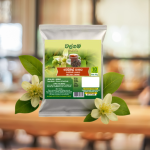
The Knuckles mountain region, for example, is known for its striking landscape and rich biodiversity. Sri Lanka Stores’ Knuckles Green Tea is listed as a 100g product made from 100% pure green tea leaves, sourced from the Knuckles Mountains.
The product page describes it as hand-picked, naturally processed, and free from artificial colours, flavours, and preservatives. Importantly, the page does not currently display a specific organic certification. If certified organic status is essential to your purchase, confirm the documentation with the seller before ordering.
Teas associated with Uva may offer bright, aromatic qualities. Kandy teas can show balanced body and freshness, while other growing areas may create deeper, more rounded profiles.
These regional descriptions are useful clues, but they should not be treated as guarantees. Processing style, leaf grade, harvest timing, and blending also matter.

A product page that names the region, estate, factory, or producer gives you more information than a listing that only says “green tea.” Specific origin details help you compare products and understand what you are buying.
Both formats can offer a satisfying cup. The better option depends on how you shop, brew, store, and serve tea.
Loose leaf is often preferred by tea drinkers who want to inspect the leaves and control the amount used.
Advantages include:
Choose loose leaf if you already have an infuser, teapot, or filter and enjoy a more intentional tea ritual.
Tea bags are convenient for work, travel, gifting, and quick everyday use. Quality depends on both the tea inside and the bag material.
When comparing bags, check whether they are:
A large pyramid bag may provide more space for leaf expansion than a very small flat bag. However, the most important detail remains the quality and freshness of the tea inside.
For a pure organic Ceylon green tea, the simplest ingredient list is usually the clearest:
Ingredients: 100% organic Ceylon green tea leaves
Be cautious when a product combines several claims but does not explain the formula. Words such as green tea blend, jasmine flavour, botanical infusion, or wellness tea indicate that other ingredients may be present.
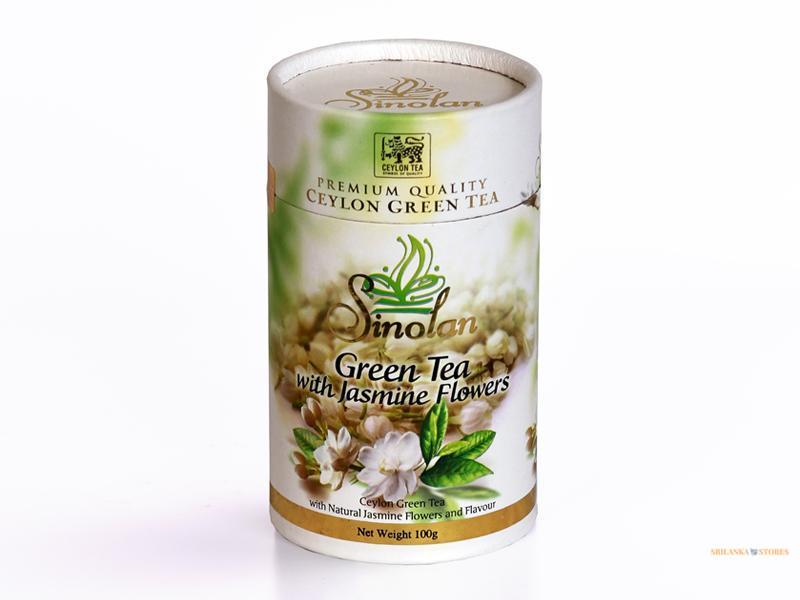
For example, Sri Lanka Stores lists a Green Tea with Jasmine Tea Composite Can containing green tea, natural jasmine flowers, and jasmine flavour. It is a fragrant green tea option, but it should not automatically be treated as a 100% organic Ceylon green tea.
If you prefer a single-origin, unflavoured tea, choose a listing that confirms:
This is especially important if you have allergies, dietary preferences, or a strong preference for unblended tea.
Green tea is delicate. Exposure to air, moisture, heat, light, and strong aromas can gradually dull its vibrant character.
When buying organic Ceylon green tea online, look for:
Smaller packs can be a smart choice if you drink tea occasionally. They reduce the amount of tea exposed to air after opening.
Once your order arrives, store it in a cool, dry cupboard away from:
A beautiful tin is useful, but the seal matters more than appearance. Packaging should preserve the tea, not simply decorate it.
Organic farming and ethical sourcing are related, but they are not identical.
Organic certification primarily addresses farming and handling standards. Ethical sourcing may involve:
Look for specific information rather than broad phrases such as “sustainably sourced.” A strong product description may identify the producer, region, farmer network, certification, or social program connected to the tea.
For businesses, retailers, and cafés, this information is particularly valuable. Your customers increasingly want to understand not only what is in the packet, but also how it reached the shelf.
Sri Lanka Stores helps connect shoppers and businesses with products from Sri Lankan producers, including organic tea selections and the wider organic collection. Product availability and certification details can vary by listing, so review each product page carefully.
Before you add organic Ceylon green tea to your basket, ask:
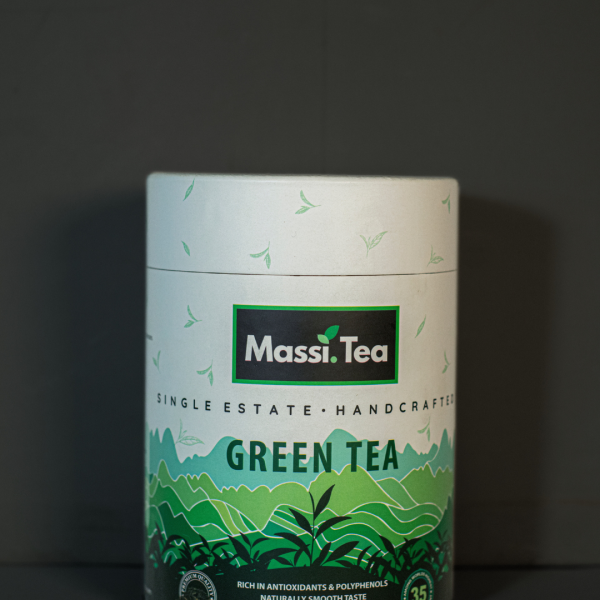
The best way to buy organic Ceylon green tea online is to combine certification awareness with curiosity. Check the label. Read the ingredients. Consider the region, processing, format, freshness, and sourcing story.
A certified organic tea with clear Ceylon origin may be your priority. You may instead choose a pure Knuckles green tea and confirm its organic documentation before purchase. Or you may compare several Sri Lankan green teas until you find the leaf, packaging, and flavour style that suits your daily ritual.
At Sri Lanka Stores, you can explore authentic teas and Sri Lankan grocery products shipped from the island to customers around the world. For personal shopping, gifting, or business orders, our marketplace is here to help you discover genuine Ceylon products with greater confidence.
May your next cup be fresh, vibrant, and beautifully connected to Sri Lanka. 🍃