Sri Lankan batik is more than beautiful clothing. It is a vibrant textile tradition shaped by patient hands, thoughtful design and the quiet artistry of colour.
Whether you own a batik sarong, shirt, dress, saree, kaftan or decorative textile, the right care routine can help preserve its intricate patterns and rich character for years. This guide explains how to care for Sri Lankan batik after purchase, wherever you live: from Sri Lanka to the USA, UK, Australia, Europe and beyond.
If you are looking for an authentic piece to care for and enjoy, explore the Sri Lanka Stores Batik collection, featuring handmade batik clothing sourced from Sri Lankan artisans.
Traditional batik is created using a wax-resist technique. The maker applies melted wax to selected areas of the fabric before dyeing it. The wax helps prevent those sections from absorbing colour. By repeating this process with different colours, the artisan builds layered patterns, contrast and depth.
Once the dyeing is complete, the wax is removed, revealing the final design.
This handcrafted process means that no two pieces are always perfectly identical. You may notice:
These details are not flaws. They are part of the authentic handmade character of Sri Lankan batik. Gentle care helps protect that individuality.
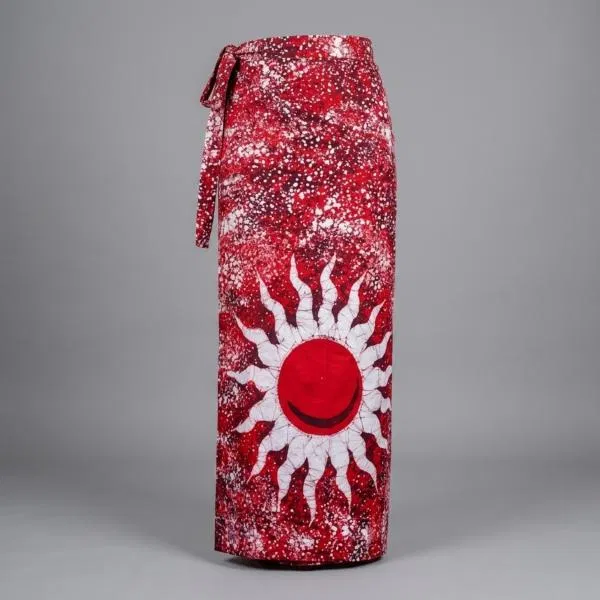
Before washing your batik, look for the care label or any instructions supplied by the artisan or seller. Fabric composition matters.
If there is no label, treat the item as delicate.
New or deeply coloured batik may release a small amount of excess dye during its first wash. Test a hidden section first:
A little colour release can be normal. Strong or continuing bleeding deserves extra caution.
For traditional handmade batik, hand washing in cold water is recommended. It reduces friction and helps protect both the fabric fibres and the wax-resist design.
Follow these steps:
Avoid scrubbing, brushing and rubbing patterned areas. Friction can dull the surface and affect delicate details.
Use a mild detergent designed for delicate or colour-sensitive fabrics. A gentle liquid detergent is often easier to dissolve than powder.
Avoid:
These products may fade vibrant colours, weaken fibres or change the natural feel of the textile.
Some textile-care guides recommend a short salt soak or diluted vinegar rinse for new dyed garments. These methods are not universal fixes, and they may not be suitable for every fabric, dye or finish.
If you choose to try one, use it only after:
When in doubt, simple cold-water washing with mild detergent is the more cautious approach.
Only machine wash a batik garment if its care label specifically allows it.
For a machine-washable piece:
For traditional handmade Sri Lankan batik, hand washing remains the better choice. Heat, agitation and high-speed spinning can cause fading, stretching, creasing or surface damage.
Drying correctly is just as important as washing.
Avoid direct, intense sunlight. UV exposure can gradually fade dyed fabric, particularly darker reds, blues and deep browns.
Avoid tumble drying unless the care label clearly permits it. Heat and repeated tumbling can shrink cotton, stress seams and affect the appearance of handmade designs.
Batik clothing can crease naturally after washing. Use gentle heat to smooth it.
If you are unsure, test the iron on an inside seam first. High heat can create shine, alter colour or damage delicate fibres. Steam should also be used cautiously, especially on silk or pieces with uncertain finishes.
Treat stains as soon as possible, but do not panic or scrub aggressively.
Do not use bleach or strong spot treatments on a vibrant batik garment. Oil, wine, ink and other difficult stains may need professional textile cleaning. Tell the cleaner that the item is hand-dyed batik before treatment.
Correct storage helps prevent fading, mildew, permanent creases and unwanted odours.
Before storing, make sure the garment is completely clean and dry. Fold it loosely along natural seams rather than pressing sharp creases into the design.
For delicate or frequently creased pieces:
For fine batik textiles, rolling them loosely around a clean, acid-free tube can reduce permanent fold marks.
Choose a space that is:
In humid climates, breathable cotton garment bags are preferable to tightly sealed plastic. Plastic can trap moisture and encourage mildew. A small desiccant sachet in the cupboard can help, but keep it from touching the textile directly.

Avoid spraying perfume, deodorant or air freshener directly onto stored batik. Strong mothballs may also leave odours or chemical residue. If you use natural repellents such as dried lavender or neem, keep them in a separate pouch.
Air stored textiles occasionally, particularly during humid seasons. Inspect them for mustiness, dampness or insects before returning them to storage.
Batik is a wonderful travel companion, whether you are taking a sarong on holiday or bringing a meaningful gift to family overseas.
To pack it safely:

For longer journeys, rolling the batik loosely can help reduce hard creases. Do not compress it tightly into a small space, especially if the fabric is silk or has decorative stitching.
Keep this quick guide nearby:
Caring for Sri Lankan batik is a small way to honour the craftsmanship behind every piece. The gentle colour variation, intricate motifs and handmade details tell a story of skill, patience and cultural identity.
With cold water, mild detergent, shaded drying and thoughtful storage, your batik clothing can remain vibrant, comfortable and beautiful through many occasions.
Explore the Sri Lanka Stores Batik collection to discover authentic Sri Lankan garments and textiles, with worldwide shopping available for customers near home and far away. May every piece bring colour, connection and a lasting sense of Sri Lankan heritage to your wardrobe. 🌺