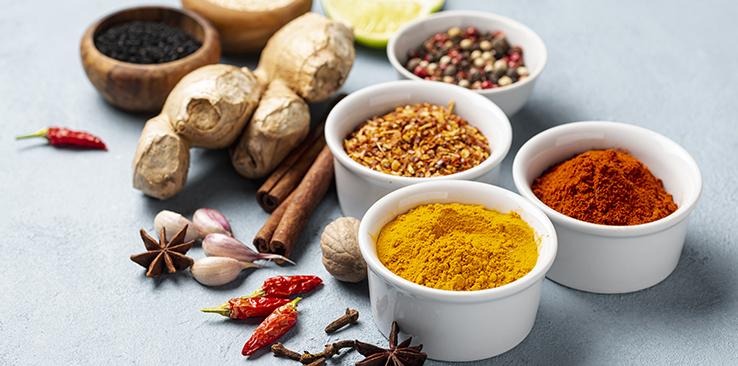
A distinctive spice range can give your business a memorable point of difference. Whether you operate a specialty food shop, gourmet retail brand, meal-kit company or gift business, private label Ceylon spices allow you to offer authentic Sri Lankan flavour under your own name.
You choose the range, presentation and customer experience. Your sourcing partner helps coordinate the ingredients, processing, packing and export requirements.
This guide explains how to approach white label Sri Lankan spices and build a dependable spice brand from the ground up.
The terms are often used interchangeably, but there is a useful distinction:
Private label gives you more control over the finished range. White label can help you launch faster and test demand with a simpler product programme.
For most new brands, a practical approach is to begin with a focused selection of proven products, then introduce custom blends or premium formats as sales develop.
Start with your customer and positioning. A clear brief makes it easier to choose the right grades, formats and packaging.
Your brand might focus on:
Then decide whether your range will be:
A compact launch range may include cinnamon, cardamom, black pepper, cloves, chilli, turmeric and one or two curry blends. This creates variety while keeping purchasing, testing and inventory management manageable.
The word “Ceylon” should be supported by clear product specifications and authentic origin. Your supplier brief should identify the botanical name, product form, grade and quality requirements for every SKU.
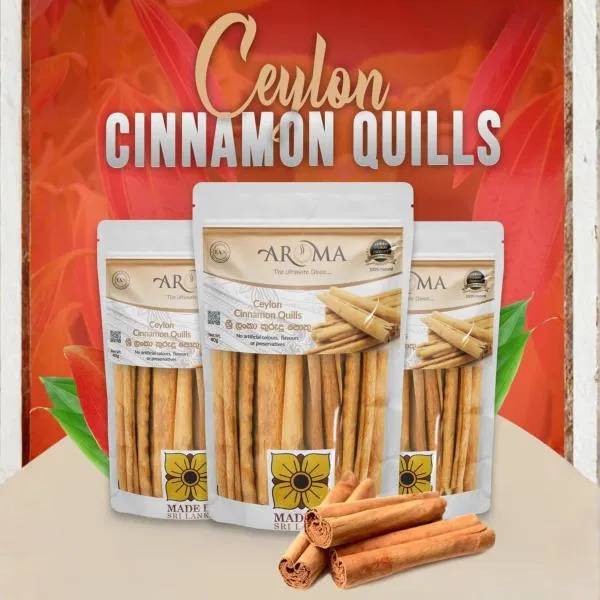
For cinnamon, grade matters particularly. Alba, C4 and C5 are examples of commercial grade descriptions used for quills. Your brand may need a delicate premium quill for gift packaging, a practical C4 or C5 format for everyday retail, or chips and powder for blends and manufacturing.
Avoid requesting simply “good cinnamon” or “premium curry powder.” Instead, include:
A detailed specification helps you compare supplier quotations fairly and maintain consistency when you reorder.
Spices are agricultural products, so natural variation can occur between harvests and growing regions. A reliable private-label programme manages that variation with a written sensory and technical standard.
Your specification can describe:
Ask for a pre-production sample before approving a new lot. Keep an approved reference sample, sometimes called a retention sample, so future batches can be compared against the original.
For blends, document the formula by percentage and define the order in which ingredients are added. This supports repeatability and helps your supplier reproduce the same profile after a successful launch.
The same spice can perform very differently depending on its format.
Particle size should match how your customer uses the product. A gourmet retailer may prefer visible cinnamon pieces or whole cardamom pods. A meal-kit business may need a smooth, accurately portioned blend. A restaurant may prioritise larger packs and reliable performance over decorative presentation.
For ground spices, confirm:
Do not approve a powder based on colour alone. Aroma, moisture, purity and laboratory results are equally important.
Packaging needs to protect volatile oils, moisture-sensitive powders and delicate aromas while presenting your brand clearly.
Common private-label formats include:
A moisture and aroma barrier is especially important for ground spices. Resealable packaging can support repeat use, while tamper-evident seals help communicate product integrity.
Your design should also work across different pack sizes. A strong visual system allows you to expand from a 50-gram retail pouch to a larger hospitality format without losing recognition on the shelf.

Label requirements vary by destination, so your importer, regulatory consultant or packaging partner should review the artwork before printing.
Depending on the market and product, your label may need:
For blends, make sure every ingredient is declared accurately. Avoid health or medicinal claims unless you have confirmed that they are permitted for your destination market and supported by the required evidence.
A beautiful label is valuable. A compliant label is essential.
Minimum order quantities depend on the spice, packaging type, printing method, formulation and supplier.
Indicative private-label arrangements in the market may range from:
These are planning references, not fixed Sri Lanka Stores quotations. Your final MOQ should be confirmed according to the product, pack format and destination.
To reduce risk, consider launching with:
This gives your brand a coherent shelf presence without tying up too much capital in slow-moving variations.
Quality testing should be agreed before production begins. Ask what documentation will accompany each batch and whether results are batch-specific.
Depending on your market and product, request evidence covering:
You should also ask about:
A Certificate of Analysis, or COA, is a batch document showing selected laboratory results. It should support the exact product being shipped rather than relying only on a general company certificate.
Private-label production involves more stages than buying an existing retail product. Your timeline may include:
Confirm the lead time for each stage rather than asking only for a final delivery date.
Your export file may include a commercial invoice, packing list, Certificate of Origin, Certificate of Analysis and other documents required by the destination. Phytosanitary or fumigation documentation may also apply depending on the product, packaging and importing country.
For international orders, Sri Lanka Stores provides shipping information here. Private-label freight arrangements should be quoted according to volume, destination, packaging and shipping method.

The strongest spice brand sourcing Sri Lanka projects combine heritage with disciplined specifications. Authentic origin creates the story. Consistent quality earns repeat customers.
Before requesting a quotation, prepare:
Sri Lanka Stores can help businesses explore authentic Sri Lankan products, bulk ordering and international supply options. To discuss a private-label or branded spice programme, visit Sri Lanka Stores or make a business enquiry by phone.
With the right specifications, thoughtful packaging and dependable batch control, your own Ceylon spice range can bring vibrant Sri Lankan flavour to shelves, hampers, meal kits and tables around the world. 🌿