If you are placing your first or second commercial order from Sri Lanka, freight can feel more complicated than the products themselves. Should you use air freight or sea freight? Is LCL consolidation better than booking a full container? Who pays import duties? How should you protect spices, tea, textiles or oils from tropical humidity?
The right answer depends on your products, order volume, destination, delivery deadline and import setup.
This guide explains the main shipping decisions in plain language so you can plan import shipping from Sri Lanka with greater confidence.
Important: Freight, customs and product requirements vary by destination. Use this guide as a planning framework and confirm the final details with your freight forwarder, customs broker and relevant authorities.
Before requesting freight quotes, prepare a basic shipment profile. A forwarder can give you a much more accurate quote when you provide:
For example, “Sri Lankan products” is too broad for a freight quotation. A shipment containing sealed cinnamon packs, batik garments and herbal oils may require different packaging, documentation and transport checks for each category.
You can browse Sri Lanka Stores’ product categories while preparing your product list, then request a commercial quotation based on the exact items and quantities you need.
Air freight is usually the better choice when speed, freshness or product value matters most.
It may suit you when:
Air freight is faster, but the cost per kilogram is generally higher. You may also need to account for fuel surcharges, security fees, handling charges and destination clearance costs.
For small commercial consignments, an express courier may be simpler than traditional air cargo. For larger cartons or pallets, a freight forwarder can compare airport-to-airport and door-to-door options.
Sea freight is usually more economical for heavy, bulky or repeat orders. It is commonly used for larger quantities of spices, packaged foods, crafts, textiles, retail stock and non-urgent inventory.
Sea freight may suit you when:
Transit times vary by destination, route, port congestion, sailing schedule and customs clearance. Always ask for an estimated end-to-end timeline, not only the vessel sailing time.
Sri Lanka Stores’ published shipping information lists international delivery estimates of approximately 7 to 16 business days for standard international orders, while larger B2B freight movements should be quoted separately according to volume, destination and shipping method. See the shipping information page for general details.
LCL, or Less than Container Load, means your cartons share container space with goods from other businesses. This is also known as freight consolidation or groupage.
Sri Lanka freight consolidation can be useful when:
LCL lets you access sea freight without paying for an entire container. However, consolidated cargo normally passes through additional handling points, including a container freight station. That can mean more handling fees and potentially a longer terminal process.
FCL, or Full Container Load, means you book an entire container for your shipment. The container may be a 20-foot or 40-foot unit, depending on your volume and cargo requirements.
FCL may make sense when:
Do not automatically choose FCL because it sounds more professional. Ask your forwarder to compare the total delivered cost of LCL and FCL at your actual volume. The comparison should include origin handling, documentation, port charges, destination fees, customs clearance and final delivery.

Incoterms® define responsibilities between the seller and buyer, including transport costs, customs tasks and the point where shipping risk transfers. Always name the place or port and specify Incoterms® 2020 in your quotation or contract.
For official information, consult the International Chamber of Commerce Incoterms® guidance.
The seller makes the goods available at an agreed location, usually a warehouse or premises. The buyer normally arranges collection, export handling, international freight, import clearance and delivery.
Best understood as: “The goods are ready for you to collect.”
EXW can place considerable responsibility on a first-time importer, particularly if you are not familiar with export procedures in Sri Lanka.
The seller clears the goods for export and places them on board the vessel at the named port. The buyer arranges the main sea freight, insurance if required, import clearance and onward delivery.
Best understood as: “The goods are loaded on the ship; you handle the journey from there.”
FOB is a sea-and-inland-waterway term. For containerized cargo, ask your forwarder whether another term, such as FCA, would represent the handover point more accurately.
The seller pays the sea freight and minimum insurance to the named destination port. However, risk generally transfers when the goods are loaded on board at the origin port. The buyer normally handles import clearance, duties, taxes and delivery beyond the destination port.
Best understood as: “The seller pays to bring the cargo to your port, but you manage import entry and onward delivery.”
The seller arranges transport, import clearance and payment of import duties and taxes to the named destination. This offers convenience to the buyer but requires the seller to manage foreign customs and tax obligations.
Best understood as: “The seller delivers the goods cleared for import, with duties paid.”
DDP is not always practical for cross-border B2B trade. Confirm that the seller or logistics partner can legally act as the importer or manage the required local tax processes in your country.
Freight quotes depend heavily on chargeable weight and volume. Before packing, establish:
Use strong, uniform cartons wherever possible. A consistent carton footprint makes warehouse handling and pallet planning easier.
For palletized cargo:
Your packing list should match the physical shipment. If the documents say 20 cartons but the warehouse receives 21, clearance and receiving delays can follow.
Sri Lanka’s warm, humid conditions make moisture protection an important part of import shipping from Sri Lanka. Moisture can affect tea, spices, dried foods, paper packaging, textiles, wooden crafts and some metal components.
Practical measures include:
Packaging should also support the product’s intended retail presentation. A beautifully packed tea or spice product can lose its appeal if cartons arrive crushed, stained or softened.

Your freight provider will normally ask for a document set that includes:
An HS code, or Harmonized System code, classifies the product for customs. Tea, spices, textiles, oils, soaps and crafts can fall under different headings. Do not rely on a broad marketing description such as “natural wellness products.” Use a precise description that reflects the product, composition and intended use.
Your importer or customs broker should verify:
A Certificate of Origin may be requested by your customs authority, buyer, bank or trade-agreement process. Ask early if you need a preferential or non-preferential certificate.
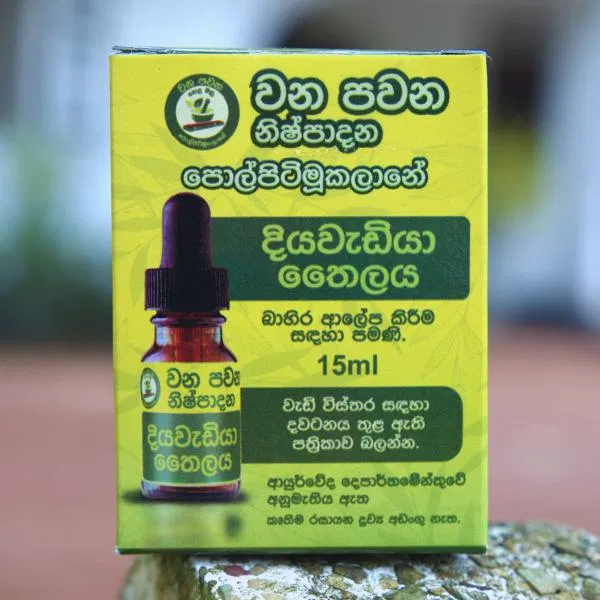
Herbal oils, coconut oil, essential oils, cosmetics and other liquids need additional checks. A liquid is not automatically dangerous goods, but classification depends on its formulation and properties.
Before booking freight:
Some oils may be classified as flammable liquids, while others may be accepted as non-dangerous goods. Never guess. Your freight forwarder or dangerous-goods specialist should review the SDS before accepting the booking.
Freight insurance can protect your commercial investment against specified loss or damage during transit. Carrier liability is not always the same as full cargo insurance, and it may be limited by transport conventions, exclusions or declared value.
Ask:
Photograph the shipment before dispatch. Keep the invoice, packing list, carton counts, pallet records and delivery condition report together.
Your first shipment should be treated as a learning exercise, not only a sales order.
A sensible test shipment can help you evaluate:
For your test shipment:
Once the process is reliable, you can compare repeat LCL shipments with FCL pricing and negotiate more confidently.
Whether you are a retailer, grocer, restaurant, gift shop, distributor or wellness business, Sri Lanka Stores can help you explore authentic Sri Lankan products for commercial purchasing.
For a B2B enquiry, send your:
Contact Sri Lanka Stores to discuss your requirements. You can also browse the online product collection and build a practical first-order shortlist.
With the right product information, packaging plan and freight partner, your first shipment can become the foundation for a smooth, dependable supply relationship. Here’s to bringing the vibrant flavours, craftsmanship and heritage of Sri Lanka to more shelves around the world. 🌍