Black pepper is familiar around the world. Ceylon black pepper is something more distinctive: aromatic, warm, lively, and deeply connected to Sri Lanka’s lush hill-country spice gardens.
Known locally as gammiris, meaning black pepper, this treasured spice has been cultivated across Sri Lanka for generations. Its peppercorns bring a clean, lingering heat and a fragrant depth that can transform everyday pantry staples into something memorable.
Whether you are a home cook, a Sri Lankan food enthusiast living abroad, or a restaurant buyer looking for dependable bulk supply, this guide will help you understand Sri Lankan black pepper, choose the right form, and buy Ceylon peppercorns online with confidence.
Ceylon black pepper comes from the dried fruit of Piper nigrum, the climbing vine responsible for black, green, and white peppercorns. The difference between these forms is mainly the stage of harvest and the way the berries are processed.
Ceylon is the historic name for Sri Lanka. Therefore, “Ceylon black pepper” refers to black pepper grown and processed in Sri Lanka, not a separate botanical species.
Sri Lankan pepper is often associated with:
The exact flavour varies by growing region, harvest, processing, and storage. Still, a quality peppercorn should taste vibrant rather than flat, dusty, or merely hot.

Sri Lanka’s tropical climate creates ideal conditions for pepper cultivation. The crop is especially associated with the central and mid-country regions, including districts such as Matale, Kandy, Kegalle, Kurunegala, Ratnapura, Badulla, and Moneragala.
Pepper vines are natural climbers. In traditional spice gardens, they are trained around living support trees such as:
This approach allows pepper to grow within mixed agricultural landscapes, often alongside coconut, tea, and other useful crops. The result is a vibrant agroforestry environment rather than a single-crop field.
The story of Ceylon pepper begins here: among humid hills, rain-fed gardens, and smallholder farms where careful cultivation supports both household livelihoods and Sri Lanka’s enduring spice heritage.
For broader information about Sri Lankan spice origins, you can also explore the Sri Lanka Export Development Board’s Ceylon spices information.
Pepper berries develop in small clusters along the vine. For black pepper, they are usually harvested when they are mature but still green or partially ripened.
The main stages are:
During drying, the outer skin wrinkles and changes from green to dark brown or black. This creates the familiar appearance of black peppercorns while helping preserve their characteristic pungency and aroma.
The best lots are clean, properly dried, and protected from moisture after processing. That balance matters. Excess moisture can encourage spoilage, while prolonged exposure to air can gradually weaken the aroma.

Choosing between whole and ground pepper depends on how you plan to use it and how long you expect to store it.
Whole peppercorns are the preferred choice when you want:
When crushed, whole peppercorns release their essential oils immediately. You can use a pepper mill, mortar and pestle, or spice grinder depending on the texture you prefer.
Ground pepper is convenient and practical for:
However, ground pepper has a larger surface area exposed to air. Its fragrance can fade more quickly than that of whole peppercorns, particularly when the packaging is opened frequently.
Pro Tip: If you value both convenience and freshness, keep whole Ceylon peppercorns for finishing and a smaller amount of ground pepper for everyday use.
Pepper grading can seem technical, especially when buying in bulk. In general, commercial grades consider:
You may encounter descriptions such as bold, whole, FAQ, 500 GL, or 550 GL. The meaning can vary slightly between suppliers, but larger and denser peppercorns are often valued for their appearance, consistency, and fuller flavour.
For personal shopping, a clear product description and transparent country-of-origin statement are usually more useful than a complicated grade code.
For wholesale purchasing, ask for a specification sheet that confirms:
This is especially important when pepper will be sold under your own retail label or used as an ingredient in a commercial product.
Authentic, fresh Sri Lankan black pepper should offer more than sharp heat.
Look for a layered profile that may include:
Pepper heat comes largely from piperine, a naturally occurring compound in pepper. Aroma comes from volatile oils and other compounds that can diminish over time.
The ideal heat level depends on the lot. Some peppercorns are bold and fiery; others are more fragrant and rounded. Neither profile alone proves origin. Sensory character should be considered alongside packaging, traceability, and supplier information.
Before you buy, inspect the product as carefully as you would any premium pantry ingredient.
A simple aroma test is useful: crush one or two peppercorns and smell them immediately. Fresh pepper should release a noticeable fragrance. If the aroma is weak, stale, or dusty, the pepper may have been stored for too long or exposed to air and humidity.
Colour and flavour alone cannot conclusively prove geographic origin. The most reliable check is a transparent supply chain.
When choosing Ceylon pepper, look for:
Terms such as “Ceylon-style” or “Ceylon-inspired” do not necessarily mean the pepper was grown in Sri Lanka. For genuine origin, the country-of-origin statement matters most.
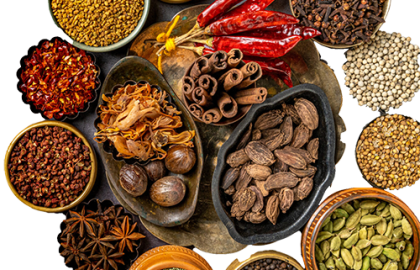
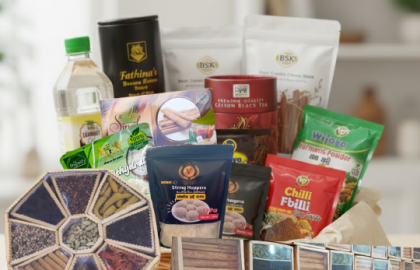
For personal shopping, Sri Lanka Stores helps connect you with authentic products sourced from Sri Lankan producers and suppliers. You can explore the premium Sri Lankan spice collection and compare whole spices, ground spices, and gift-ready selections in one place.

Proper storage protects the aroma you paid for.
Keep pepper in:
Whole peppercorns generally retain their fragrance longer than ground pepper. If you buy a larger quantity, divide it into smaller airtight containers so that the entire supply is not repeatedly exposed to air every time you open the jar.
Always use a dry spoon or grinder. Introducing moisture can affect texture, aroma, and shelf life.
Restaurants, cafés, caterers, grocers, spice retailers, and food manufacturers can benefit from buying Sri Lankan pepper in suitable bulk formats.
Before placing a larger order, consider:
Sri Lanka Stores supports wholesale and bulk ordering, helping businesses access authentic Sri Lankan products at competitive rates. Contact the marketplace to discuss your quantity, packaging, and sourcing needs.
Worldwide shipping is available to destinations including the USA, UK, Australia, Europe, and beyond, making it easier for businesses and personal shoppers to enjoy genuine island-grown products wherever they are.
Ceylon black pepper is a small spice with a remarkable story. From climbing vines in Sri Lanka’s green hill country to carefully packed peppercorns delivered across the world, every batch represents cultivation, craftsmanship, and heritage.
Choose whole peppercorns when aroma matters most. Choose ground pepper when convenience is the priority. Above all, look for clear Sri Lankan origin, good packaging, a fresh fragrance, and a supplier you can trust.
May every fragrant pinch bring a little more warmth, connection, and authentic Sri Lankan character to your table. 🌿