For boutiques, resort gift shops, museum stores, gift retailers, and online fashion sellers, authentic textiles can bring colour, story, and craftsmanship to your product range. Wholesale Batik clothing offers all three.
Sri Lankan batik is instantly recognisable for its vibrant colour combinations, flowing motifs, and handcrafted character. Yet sourcing it successfully for a business involves more than choosing attractive designs. You also need dependable information about fabric composition, sizing, colourfastness, packing, minimum order quantities, and reorder potential.
This practical guide will help you ask the right questions and build a more reliable collection of Sri Lankan handicrafts wholesale.
Batik pieces are more than garments. They are wearable and displayable expressions of Sri Lankan textile heritage.
A sarong can become a resort-wear staple. A batik shirt can appeal to travellers looking for a distinctive holiday wardrobe. A wall hanging, table textile, or embroidered accessory can give a museum shop or gift store a compact cultural product with a strong visual identity.
Batik can work particularly well for:
The key is to present each piece as both a product and a story, while giving customers clear, practical information before purchase.
Batik is a wax-resist dyeing technique, meaning wax is applied to selected areas of cloth so those sections resist the dye.
A simplified process may include:
The wax may be applied with a canting, a small tool used for drawing fine lines, or a cap, a stamp-like tool used to repeat a pattern. Some workshops combine hand-drawn techniques with other production methods.
This process creates the characteristic outlines, layered colour fields, and intricate visual movement associated with batik.
For business buyers, it is important to ask whether a design is hand-drawn, hand-waxed, block-assisted, screen-printed, or factory-printed. All may have a place in a commercial range, but they should not be described in the same way.
The Sri Lanka Export Development Board’s overview of the batik industry is a useful reference for the craft’s development and commercial context.
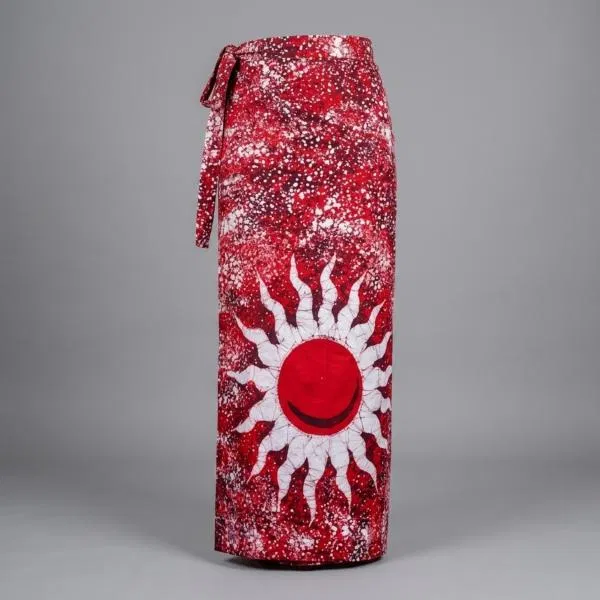
When you source handmade batik, variation is part of the value.
A hand-waxed line may be slightly more fluid in one piece than another. Colour placement can shift. The scale of a motif may not be perfectly identical across a production run. These differences reflect the artisan process rather than a manufacturing fault.
Before ordering, decide which level of variation suits your business:
Make sure your product descriptions set the right expectation. Customers appreciate knowing that a handmade item may have subtle differences in line, shade, or placement.
Fabric composition affects comfort, drape, durability, pricing, and wash care.
Ask your Batik supplier in Sri Lanka to confirm:
Cotton is popular because it is breathable and versatile, making it suitable for sarongs, shirts, dresses, skirts, and lightweight home textiles. However, the feel of cotton can vary considerably depending on the weave and finishing process.
For online listings, include composition and approximate measurements in the product specifications. This reduces uncertainty and helps customers make confident choices.
Sizing is one of the most important details when stocking clothing for an international audience.
Sri Lankan garment sizing may not correspond exactly to the size labels used in the USA, Canada, the UK, Europe, or Australia. A “large” from one workshop may also measure differently from a “large” made by another.
Request a measurement chart covering:
Ask whether the supplier uses graded sizing, meaning a base pattern is proportionally adjusted to create additional sizes, or whether each size is produced from a separate pattern.
For a first order, a balanced sizing run may include more than one size in each core design rather than buying heavily into a single size. Your ideal mix should reflect your customer profile, sales history, and whether the collection is intended for relaxed resort wear or more structured fashion.
Batik’s deep indigos, warm reds, golden yellows, and rich blacks create strong shelf appeal. They also make colour testing especially important.
Before confirming a larger purchase, ask for:
You can also carry out your own sample checks. Inspect the fabric after washing according to the proposed care instructions. Look for excessive colour transfer, distortion, shrinkage, wax residue, or changes in handle.
Do not describe a garment as colourfast without suitable evidence. Instead, use accurate language such as “wash separately initially” or “follow the supplied care label,” where appropriate.
A professional wholesale range should arrive with clear care guidance.
Ask whether the supplier can provide sewn-in labels, swing tags, or care cards covering:
If you sell internationally, review the label language and symbols before dispatch. The care information should be easy for your customers to understand and consistent with the actual fabric and dyeing process.
For handmade garments, a simple care card can also explain why gentle handling helps preserve the colour and character of the textile.
A minimum order quantity, or MOQ, is the smallest quantity a supplier will accept for an order or specific design.
Do not ask only, “What is your MOQ?” Clarify how it applies:
You should also request a written estimate for:
A repeat order may not be identical to the first if the fabric, dye lot, artisan availability, or pattern placement changes. If reorder consistency is important, agree on reference samples, colour names, measurement tolerances, and acceptable variation before the first production run.
A good supplier relationship balances consistency with the authentic character of handmade work.
Textiles are lightweight, but they still need thoughtful export packing. Moisture is a particular concern during storage and transport.
Ask how each order will be prepared:
Do not allow damp textiles to remain sealed for extended periods after delivery. Open cartons promptly, inspect the goods, and store them in a clean, dry, well-ventilated area.
For international planning, Sri Lanka Stores lists international shipping at an estimated 7 to 16 business days, with timing subject to destination and other factors. Review the shipping information and confirm the specific arrangement for your B2B order.

Authentic textiles are easier to shop when the presentation feels intentional.
Try these merchandising approaches:
You can also create themed collections such as Island Colour, Resort Essentials, Handmade Heritage, or Batik Gifts. This gives shoppers an easy route through a varied assortment.
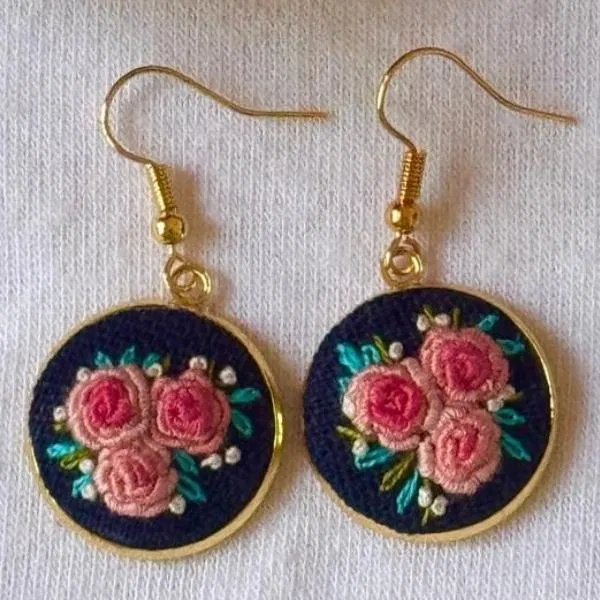
Sri Lanka Stores also offers related handcrafted products such as a handwoven straw hat and embroidered textile earrings, which can help create a fuller gift or resortwear presentation.
Before confirming your order, ask your supplier to provide:
This checklist helps you compare suppliers fairly and protects your customer experience after the stock arrives.
Finding a dependable Batik supplier in Sri Lanka can be difficult when you are sourcing from overseas, especially when you need both cultural authenticity and practical B2B support.
Sri Lanka Stores connects businesses with authentic Sri Lankan products sourced through local suppliers and artisans. Its B2B service supports bulk orders, flexible quantities, international shipping, and private-labelling conversations across a wider range of Sri Lankan goods.
To discuss wholesale Batik clothing, handcrafted accessories, or a mixed Sri Lankan retail assortment, send a business enquiry to Sri Lanka Stores. Include your target market, product categories, preferred quantities, destination country, and whether you need repeatable designs or limited handmade pieces.
With the right questions and a thoughtful merchandising plan, your collection can bring vibrant colour, timeless craftsmanship, and a genuine connection to Sri Lankan culture into stores around the world. May your shelves tell beautiful stories, and may every handcrafted piece find a customer who appreciates the hands and heritage behind it.