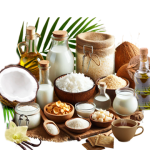
The coconut palm is more than a tropical crop in Sri Lanka. Pol, the Sinhala word for coconut, has long been part of everyday life, village economies, family traditions, and island craftsmanship.
From fragrant coconut oil and creamy milk to crisp snack chips, resilient coir, and intricately polished shell crafts, Sri Lankan coconut products offer something for your pantry, home, business, and gift basket.
But how do you choose authentic products? What should you look for on the label? And how can your purchase support responsible sourcing?
This complete buying guide helps you explore the world of Sri Lankan coconut products with confidence.
Sri Lanka’s main coconut-growing region is commonly called the Coconut Triangle, covering the districts of Kurunegala, Puttalam, and Gampaha. The warm climate, fertile soils, rainfall, and long tradition of coconut cultivation create ideal conditions for producing flavorful kernels, rich oil, dried coconut, and other value-added goods.
Coconut farming is also closely connected to rural livelihoods. Many growers operate small or family-run holdings, while processing, packaging, coir production, and handicrafts create additional opportunities for village communities.
The most responsible products do not simply carry a Sri Lankan label. They show care throughout the journey:
For additional background, you can explore information from CBL Natural Foods on responsible sourcing and Tradin Organic’s Sri Lankan coconut origin overview.
Coconut oil is one of the most familiar Sri Lankan coconut products, valued for its gentle aroma, smooth texture, and many everyday uses.
You may find different styles, including:
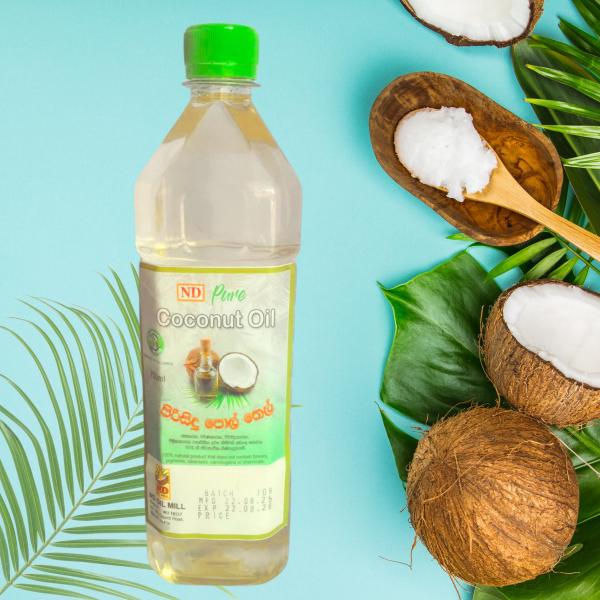
Look for:
Coconut oil can be useful for:
Pro Tip: Store coconut oil tightly closed in a cool, dry place away from direct sunlight. It may become solid in cooler temperatures and return to liquid when gently warmed. This change is natural.
You can browse the Sri Lanka Stores Coconut Products Collection to see current oil, milk, dried coconut, and snack options.
Coconut milk brings a creamy texture and distinctive tropical character to many Sri Lankan food traditions. For worldwide shoppers, coconut milk powder offers an especially convenient pantry format because it is lightweight, easy to portion, and suitable for longer storage than opened liquid milk.
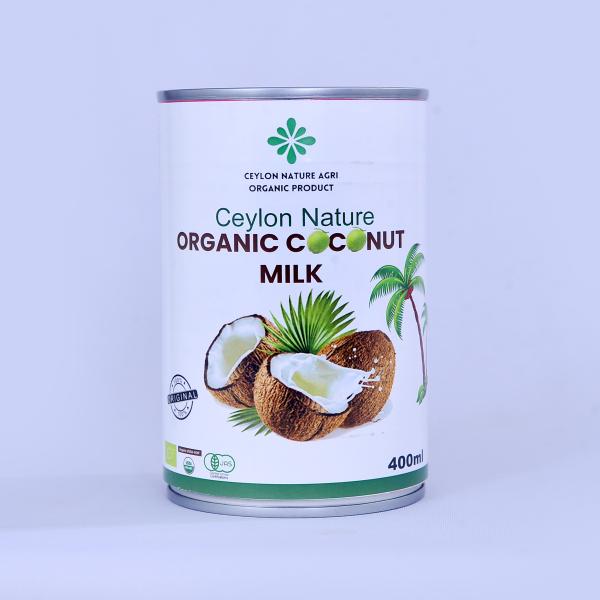
When choosing canned or packaged coconut milk, check:
A good coconut milk powder buying checklist includes:
Coconut milk powder is useful for:
Keep unopened powder in a cool, dry cupboard. After opening, transfer it to an airtight container if the original packaging cannot be resealed. Moisture is the main enemy: it can cause caking, reduce freshness, and encourage spoilage.
Desiccated coconut is finely shredded coconut meat that has been dried to preserve its texture and island aroma. Depending on the cut, it may be fine, medium, or coarse.
Sri Lankan coconut products in this category can include:
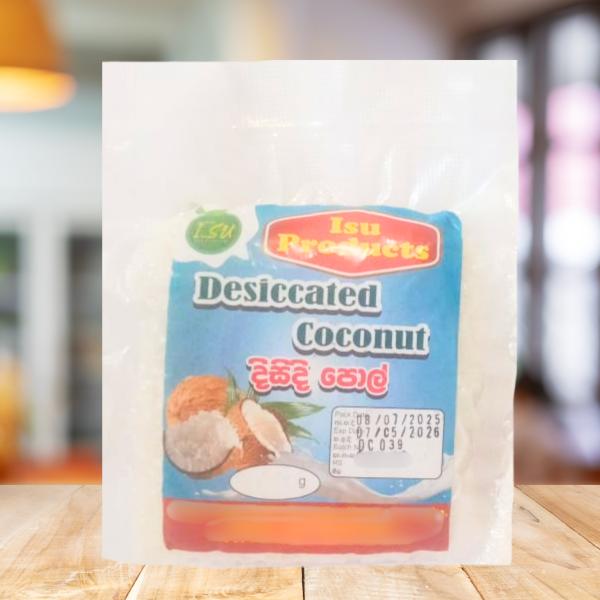
Choose products with:
These products are convenient for home pantries, bakeries, restaurants, specialty grocers, and bulk buyers. They can add coconut texture to food, support food-service preparation, or become part of a Sri Lankan-themed retail range without requiring fresh coconuts.
Storage Tip: Keep dried coconut sealed in a cool, dry cupboard. If you live in a warm or humid climate, refrigeration can help preserve freshness after opening. Always follow the package instructions first.
Coconut snacks show how beautifully the island’s traditional ingredient can be transformed into convenient treats. Depending on the product, you may find toasted coconut chips, dried coconut cubes, or coconut pieces paired with other Sri Lankan ingredients.

When buying coconut-based snacks, consider:
These snacks are ideal for lunch boxes, travel, office pantries, welcome hampers, and international gift parcels. They also provide retailers and cafés with a distinctive Sri Lankan product category that is easy for new customers to understand.
For a wider selection, visit the Sri Lanka Stores grocery collection.
The fibrous outer husk of the coconut becomes coir, a strong natural fibre used in ropes, brushes, mats, planters, garden products, and erosion-control materials.
Coir is a meaningful example of circular production. Instead of treating the husk as waste, makers can turn it into a durable, useful material that supports additional income within coconut-growing communities.
Look for:
Coir products are particularly attractive for customers seeking natural homeware, gardening supplies, sustainable gifting, and plastic-conscious alternatives. The Eco-Friendly Products Collection is a helpful place to explore related island-made options.
Once the edible coconut has been processed, the hard shell can begin a second life as a beautiful household or decorative object.
Sri Lankan artisans create coconut shell products such as:
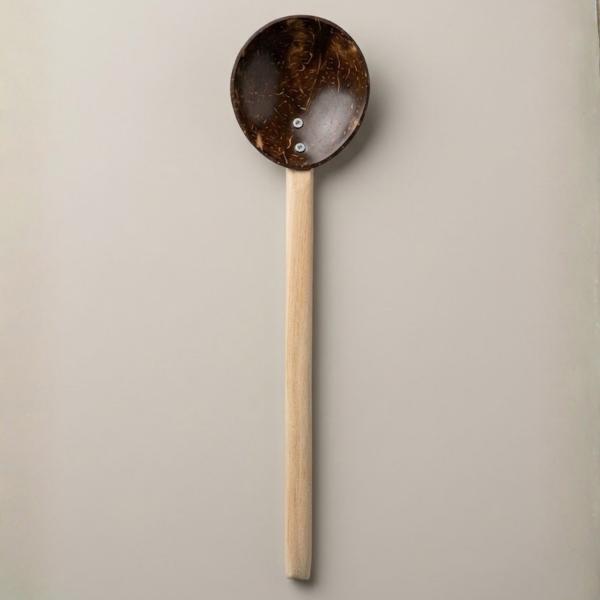
Each shell has its own shape, grain, colour, and natural markings. That is part of the charm. Small variations are often signs of handmade production rather than flaws.
Before purchasing, check:
Many shell items are best cleaned gently with a damp cloth and dried immediately. Avoid prolonged soaking, dishwashers, ovens, and harsh chemicals unless the maker specifically confirms that they are suitable.
Explore the Eco-Friendly Coconut Products Collection for shell bowls, spoons, salt pots, cups, lamps, and other handcrafted pieces.
A coconut product can carry several layers of value.
First, it creates a market for farmers growing and harvesting coconuts. Then, it supports workers involved in drying, pressing, packaging, fibre extraction, and quality control. Finally, shell and husk crafts provide space for artisans to develop skills, earn income, and preserve traditional knowledge.
Responsible buying encourages more value to remain within producing communities. It also celebrates renewal: a shell becomes a bowl, a husk becomes coir, and a familiar fruit becomes an entire family of island-made essentials.
For a stronger sustainability signal, look for:
Sustainability is not only about the material. It is also about the people, processes, and care behind the finished product.
Before placing your order, ask:
Sri Lanka Stores makes it easier to discover authentic island products when you live far from home. International shipping information, including estimated delivery times and weight-based shipping costs, is available on the shipping page. Customers should also review any customs duties, taxes, or import requirements that apply in their destination country.
From pantry staples to handcrafted homeware, Sri Lankan coconut products reflect the island’s vibrant relationship with nature, nourishment, craftsmanship, and community.
Choose coconut oil for its versatility. Coconut milk powder for convenience. Desiccated coconut and snacks for everyday enjoyment. Coir and shell crafts for a more thoughtful home.
Each selection can connect you with Sri Lankan farms, makers, and traditions while giving natural materials a longer and more meaningful life.
May your home, shop, or gift basket always carry a little of Sri Lanka’s timeless warmth. 🥥✨
Sri Lanka Stores Team