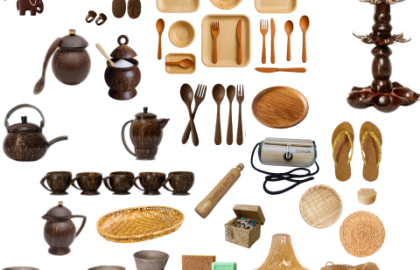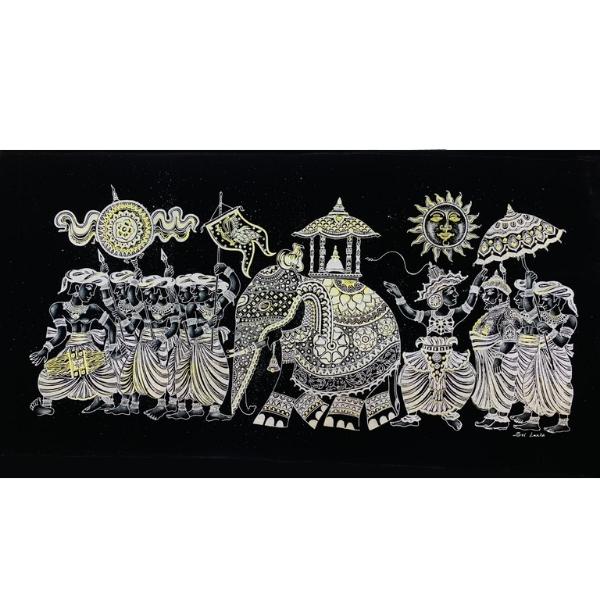
There is something special about bringing a handmade object into your home. The grain of carved wood, the natural texture of coconut shell, the rhythm of a woven palm leaf, and the vibrant layers of batik all carry the touch of the person who made them.
When you shop for Sri Lankan handicrafts online, you are not simply choosing decoration. You are discovering craftsmanship, cultural memory, and a meaningful connection to the island.
But how can you tell whether a piece is genuinely handmade? What materials should you look for? And how do you choose something beautiful, responsibly made, and suitable for worldwide delivery?
This guide will help you shop with confidence.
Sri Lankan craft traditions have developed through generations of practical skill, storytelling, and careful use of local materials. Artisans transform what surrounds them: wood, coconut husks, bamboo, palmyrah, cotton, clay, and paper fibres: into objects that are both useful and decorative.
You may see cultural references such as:
Every piece does not need to look perfectly identical. In fact, small differences in texture, colour, line, or shape can be evidence of the human hand.
A trustworthy product listing should tell you more than the item’s colour and dimensions. Before you purchase, look for clear information about materials, technique, origin, size, care, and the artisan or store behind the piece.
A generic description such as “ethnic decor” gives you very little information. A stronger description might mention pine wood, natural palmyrah, paper pulp, 100% cotton, or coconut shell, along with the method used to create the item.
For a carefully selected range of cultural décor and handmade-style pieces, browse the Sri Lanka Stores Decoration collection and Souvenirs collection.
Wood is one of the most recognisable materials in Sri Lankan decorative art. It may appear as a mask, sculpture, wall panel, coaster, candle holder, table accessory, or keepsake.

A traditional Gurulu Raksha is a protective mythical mask associated with Sri Lankan mask-making heritage. A Naga Raksha represents a serpent guardian figure. These decorative forms are appreciated for their expressive faces, strong colours, and intricate details.
When assessing wooden crafts online, look for:
Machine-made imitations often have extremely uniform surfaces, printed designs, and identical edges. That does not automatically make an item unattractive, but it is different from a hand-carved piece. The product description should help you understand what you are buying.
For smaller gifts, wooden coasters, candle holders, key tags, and pot stands can bring Sri Lankan character to a desk, kitchen, or coffee table without requiring much display space.
Coconut is deeply connected to everyday life in Sri Lanka. Beyond food and household use, the shell and husk can be transformed into bowls, spoons, lamps, masks, ornaments, animals, wall art, and other decorative objects.
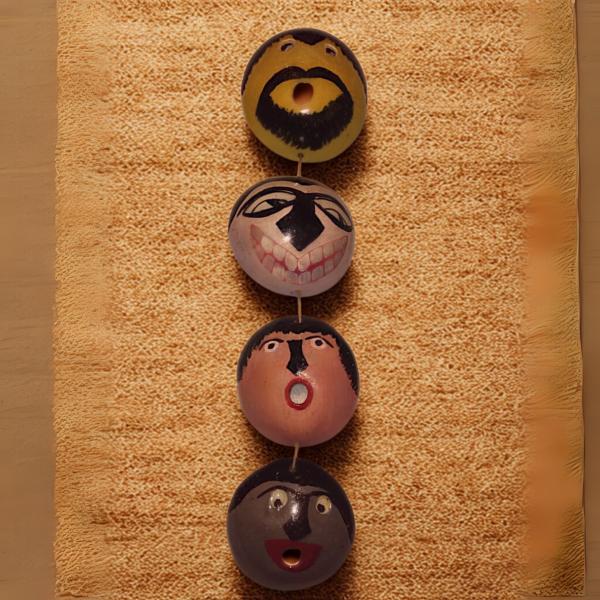
Authentic coconut crafts usually retain some of the material’s natural character. Look for:
If you are buying tableware, check whether the listing describes the product as suitable for food contact and follow the care instructions provided. Decorative pieces may require different treatment from bowls or spoons.
Coconut crafts are particularly meaningful as gifts because they combine island identity with practical design. A shell ornament or small animal sculpture can serve as a compact reminder of Sri Lanka, while a larger wall piece can become a conversation point in your home.
Bamboo, palmyrah, cane, reed, and palm leaves are valued for their flexibility, lightness, and naturally warm appearance. Artisans may split, dry, shape, weave, and bind these materials into bags, hats, baskets, table accessories, and decorative objects.
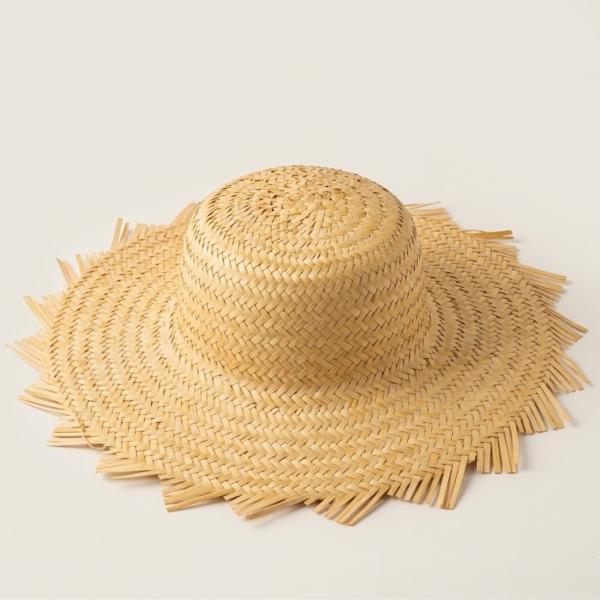
Palmyrah is a palm tree native to parts of Sri Lanka, and its leaves can be prepared for weaving. When shopping online, inspect the weave closely:
A handwoven object may have a slightly uneven line or a gentle variation in colour. These details can add warmth and individuality. They also mean that two pieces from the same collection may never be completely identical.
For everyday gifting, a palm hat, woven bag, or bamboo-and-wood table accessory offers a useful alternative to a purely ornamental souvenir.
Paper pulp crafts show how humble materials can become expressive works of art. Recycled paper, plant fibres, and other natural materials can be shaped into animals, ornaments, masks, and display pieces.

A paper pulp item may have a subtly textured surface, tiny natural specks, or a soft variation in shape. These features are often part of the process rather than flaws.
Before ordering, check:
Paper-based crafts make thoughtful gifts for people who appreciate sustainable materials, sculptural décor, and lighter parcels for international delivery.
Sri Lankan batik is a vibrant textile art created through wax-resist dyeing. Wax is applied to selected areas of fabric so that those sections resist the dye. The process may be repeated in layers to create intricate patterns and contrasting colours.
When buying batik online, look for:
A printed fabric can reproduce the appearance of batik, but it does not follow the same process. If the technique matters to you, read the description carefully and contact the seller when details are unclear.
You can explore Sri Lanka Stores’ Batik Products, including sarees, dresses, sarongs, shirts, accessories, and wall art. These pieces can be worn, displayed, or gifted as a colourful expression of Sri Lankan heritage.
No single clue proves authenticity. Instead, consider the complete picture.
If the listing does not answer your questions, ask:
A transparent answer is a positive sign. It helps you choose according to your expectations and supports a fair relationship between shopper, marketplace, and maker.
Sustainable shopping is more than choosing a product labelled “eco-friendly.” Consider the complete life of the item.
Choose pieces that:
Buying fewer, more meaningful pieces can be a beautiful way to support craftsmanship. A small carved ornament that remains in your home for years may create more value than a large collection chosen without consideration.
For businesses, gift shops, restaurants, and retailers, Sri Lanka Stores also supports bulk and wholesale ordering. This can help you curate culturally meaningful stock while maintaining consistent communication about quantities, shipping, and product details.
Good care helps handmade pieces retain their colour, texture, and character.
Always give priority to the care instructions supplied with your specific product, especially where painted finishes, natural oils, or delicate fibres are involved.
A handmade gift becomes more meaningful when you share its story. Consider matching the craft to the recipient:
You can also pair a craft with Ceylon tea, spices, or traditional sweets to create a thoughtful Sri Lankan gift hamper.
Buying handicrafts online is especially helpful when you live far from Sri Lanka or cannot visit artisan markets in person. Sri Lanka Stores offers international shipping, with delivery commonly listed at 7–16 business days, depending on destination and other factors.
Before completing your order:
Read the full shipping information before ordering internationally. If you need several items for a shop, event, or corporate gift programme, enquire about bulk ordering and suitable packaging.
The best Sri Lankan handicrafts online offer more than visual appeal. They carry material, movement, memory, and the patient work of skilled hands.
When you check the material, understand the technique, ask thoughtful questions, and care for the finished piece, your purchase becomes a respectful connection between you and Sri Lanka’s living craft traditions.
Explore the Sri Lanka Stores crafts and decoration collection, choose something that speaks to you, and let its vibrant story become part of your home, wardrobe, or next meaningful gift. May every handcrafted piece bring warmth, beauty, and a lasting sense of connection. 🌺