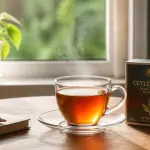
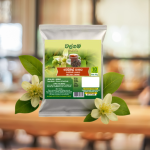
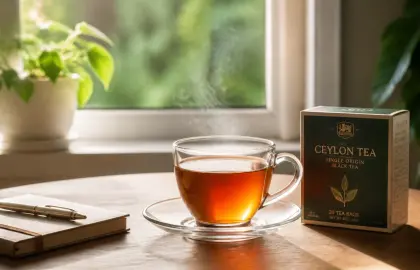
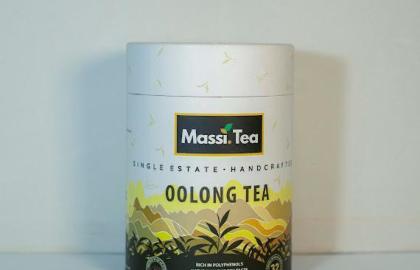
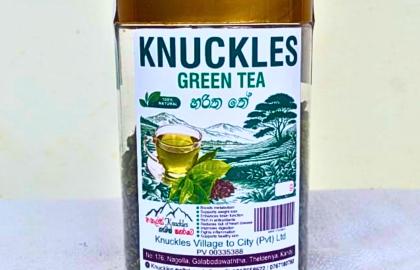
Discover the rich heritage of Sri Lankan Tea — from James Taylor's first plantation to high-grown Nuwara Eliya and low-grown Ruhuna. Learn how to spot authentic Ceylon tea with the Lion Logo. Shop premium Sri Lankan tea at Sri Lanka Stores.
When you hold a warm cup of Sri Lankan Tea in your hands, you aren't just holding a beverage; you are holding a piece of history. For over a century and a half, the small island nation of Sri Lanka has been the world’s gold standard for premium tea. Often referred to by its colonial name, Ceylon Tea, this golden elixir is celebrated globally for its unmatched purity, vibrant flavors, and the incredible craftsmanship that goes into every single leaf.
But how did a tiny island in the Indian Ocean become a global powerhouse? It all began in 1867 with a Scotsman named James Taylor. After a devastating blight destroyed the island’s coffee plantations, Taylor saw an opportunity in the mist-covered hills of the Loolecondera Estate. He planted the first 19 acres of tea, meticulously hand-rolling the leaves on his veranda and firing them over clay stoves.
From those humble beginnings, Sri Lankan Tea grew to become the backbone of the nation's economy and a symbol of its cultural identity. Today, the tradition of "two leaves and a bud" remains the sacred standard of quality that ensures your morning brew is nothing short of legendary.
Just as a fine wine is shaped by the vineyard it grows in, the character of Sri Lankan Tea is defined by its terroir. The island’s unique geography: ranging from sun-drenched coastal plains to frost-touched mountain peaks: creates distinct microclimates that influence the tea's taste, aroma, and color.
The tea-growing regions are categorized by their elevation, each offering a completely different sensory experience:

The secret to the high quality of Sri Lankan Tea lies in the Orthodox manufacturing process. Unlike mass-produced teas that use the "CTC" (Crush, Tear, Curl) method, authentic Ceylon tea is treated with a gentleness that preserves the integrity of the leaf.
Here is the journey your tea takes from the field to your cup:

With so many options available online, how do you know you’re getting the real deal? To ensure you are enjoying authentic, ethically sourced tea, look for these key indicators:
The most important mark of quality is the Ceylon Tea Lion Logo. Owned by the Sri Lanka Tea Board, this logo features a lion holding a sword. It is a legal guarantee that the tea is 100% pure Ceylon, grown and packed entirely in Sri Lanka. If a pack doesn't have the Lion, it may be a blend of inferior teas from multiple countries.
Tea grades refer to the size and style of the leaf, not necessarily the quality of the plant itself. However, knowing the grades helps you choose the right tea for your palate:

Pro Tip: Always check if the tea is single-origin. While blends can be tasty, single-origin teas allow you to taste the specific characteristics of a region like Nuwara Eliya or Ruhuna without any "filler" leaves.
Whether you are a seasoned tea connoisseur or a curious beginner, there is a world of flavor waiting to be discovered in every tin of Sri Lankan Tea. By choosing authentic Ceylon tea, you are supporting a 150-year-old tradition of craftsmanship and the hardworking communities that sustain it.
At Sri Lanka Stores, we take pride in acting as a bridge between the misty mountains of Sri Lanka and your kitchen. We source directly to ensure you receive the freshest, most vibrant leaves possible, delivered straight to your door: no matter where in the world you are.
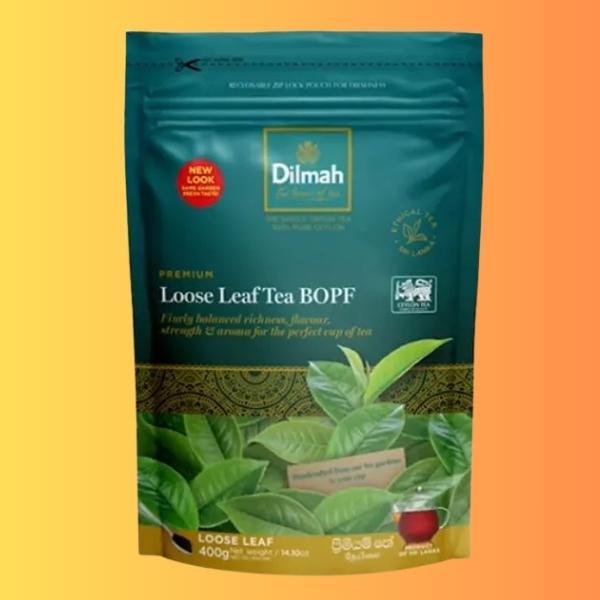
Ready to elevate your tea ritual?
Explore our hand-picked collection of premium Sri Lankan Tea and experience the true taste of the island's heritage today. From robust breakfast blends to delicate herbal infusions, find your perfect cup at Sri Lanka Stores.
Wishing you many moments of warmth and renewal,
The Sri Lanka Stores Team