Everyday knee stiffness and post-activity muscle soreness can make simple movement feel less comfortable. Many people therefore explore Ayurvedic oil for knee pain or traditional muscle pain rubs as part of a soothing self-care routine.
But not every oil feels or functions the same.
Some formulas create a warming sensation. Others feel cooling and fresh. Balms are thicker, more concentrated and convenient for targeted application. The most helpful starting point is not the loudest product claim. It is understanding the format, ingredients, label and source.
This practical guide will help you compare traditional Sri Lankan herbal oils responsibly, whether you are shopping for personal use or selecting products for a wellness shop or salon.
Important: Ayurvedic oils and topical herbal rubs are traditionally used for massage and temporary comfort. They are not a diagnosis or cure for an underlying condition. If pain is persistent, severe or accompanied by swelling, fever, injury or difficulty bearing weight, consult a qualified healthcare professional.
Before comparing bottles, identify the experience you prefer and the way you plan to use the product.
| Format | Typical feel | Often suited to |
|---|---|---|
| Warming oil or rub | Comforting heat with an aromatic finish | Cold-feeling stiffness, massage before rest, tired muscles |
| Cooling oil | Fresh, light and sometimes minty | Post-activity comfort, warm-feeling muscles, lighter massage |
| Traditional balm | Thicker texture with targeted application | Small areas such as knees, shoulders, neck or calves |
| Nourishing herbal oil | Smooth, slower massage with a botanical aroma | Regular body massage and general muscle comfort |
These are practical categories, not strict medical rules. Your skin sensitivity, preferences and the product’s exact label matter more than the name on the front.
A warming formula may contain ingredients traditionally associated with a gentle heat or stimulating sensation. Common examples include:
Warming products can be appealing after a long day, a walk or physical activity. However, a hotter sensation does not necessarily mean a better product. If your skin is sensitive, choose a milder formula and test it first.
Cooling oils often use lighter textures and fresh aromatic notes. Look for ingredients such as:
Cooling products may be preferred when you dislike heat or want a refreshing post-activity massage. Avoid applying strong cooling or warming products to irritated, sunburned or damaged skin.
A balm is usually thicker than an oil. It may be easier to apply precisely to a knee, shoulder or calf without oil running onto clothing.
Balms often combine waxes, carrier oils and aromatic ingredients. Check whether the label clearly explains:
A balm is convenient, but its stronger fragrance or concentrated aromatic ingredients may not suit everyone.
Sri Lankan traditional medicine includes Hela Wedakama, an indigenous healing tradition that developed alongside Ayurveda on the island. Modern Sri Lankan herbal products may reflect local knowledge, Ayurvedic formulations or a blend of traditional practices.
When reading a label, you may come across these terms:
Not every ingredient appears in every product, and a familiar botanical name alone does not confirm quality. What matters is clear labelling, traceable sourcing and appropriate formulation.
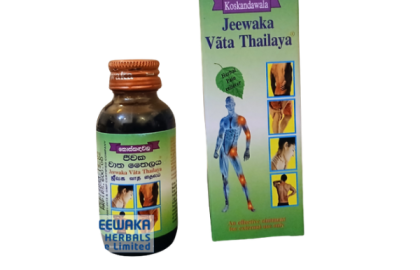
For example, Sri Lanka Stores’ Jeewaka Waatha Thela is listed as a traditional Sri Lankan Ayurvedic herbal oil, with several available sizes. Always read the current product label and directions before use rather than relying only on a product title.
A transparent label should help you answer five simple questions:
Ingredients are commonly listed from greatest to smallest amount, although the exact labelling rules depend on the product category and destination market. If a bottle promises a complex herbal formula but gives no meaningful ingredient information, choose a more transparent alternative.

Authenticity cannot be confirmed by colour or aroma alone. A deep amber oil may be beautifully prepared, while another genuine formula may be pale or cloudy because of its ingredients.
Use this practical checklist instead:
A genuine product may still vary slightly between batches because botanical materials are natural. The important point is that the source, packaging and labelling remain consistent and credible.
Before applying a new Ayurvedic oil or traditional muscle rub over a larger area:
A patch test is particularly sensible if you have sensitive skin, fragrance allergies or a history of reactions to camphor, menthol, essential oils or salicylate-containing products.
Do not combine a strong warming rub with a heating pad, hot water bottle, tight bandage or another topical pain product unless a healthcare professional advises you to do so.
Traditional oils can be affected by heat, light and moisture. This is especially important for products travelling from Sri Lanka’s warm, humid climate to homes, salons and shops around the world.
For best care:
If you are buying for resale, compare more than the unit price. Ask about:
Sri Lanka Stores supports personal shoppers as well as businesses looking for authentic Sri Lankan products. Explore the Ayurveda Products collection for available herbal oils and traditional wellness products, or contact the marketplace for bulk-order guidance.
Before choosing an Ayurvedic oil for knee pain or a traditional muscle rub, ask:
A thoughtfully chosen herbal oil can bring a vibrant, sensory and culturally rooted element to your everyday wellness routine. With clear labelling, careful sourcing and responsible use, you can enjoy the craftsmanship of Sri Lankan herbal traditions wherever you are in the world.
Wishing you comfortable movement, mindful self-care and a warm connection to Sri Lanka’s timeless wellness heritage. 🌿