Sri Lankan Ayurvedic skincare brings together plant-based ingredients, traditional craftsmanship, and simple daily rituals. From beautifully moulded herbal soaps to fragrant oils, these products offer a sensory connection to the island’s botanical heritage.
The experience begins with texture: a creamy lather, a gentle herbal aroma, or the warm, earthy character of turmeric and sandalwood. Yet choosing the right product involves more than an attractive package. You also need to understand ingredients, intended use, quality markers, and how a product may suit your skin.
This guide will help you shop for herbal soap from Sri Lanka and other natural Sri Lankan beauty products with confidence.
Ayurveda is a traditional South Asian system of wellbeing with a long history in Sri Lanka. In skincare, its influence can be seen in the use of botanical powders, plant oils, fragrant woods, and cleansing bars made for everyday personal care.
A product described as Ayurvedic may reflect:
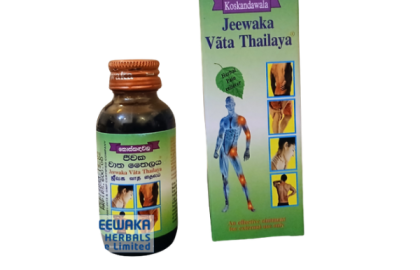
One useful term you may encounter is taila, meaning herbal oil. These oils may be designed for external massage or personal care, depending on the product label. Always follow the manufacturer’s directions rather than assuming that an oil is suitable for the face, scalp, or broken skin.
Sri Lankan skincare is not limited to one formula. You may find:
For an authentic starting point, explore Sri Lanka Stores’ Ayurveda Products collection and Health & Beauty collection.
Traditional Sri Lankan beauty products often combine several botanical ingredients rather than relying on just one. The exact effect, scent, and texture depend on the complete formula.
Turmeric, commonly listed as Curcuma longa or Curcuma aromatica, is valued for its rich golden colour and earthy aroma. In cosmetics, it is often included in cleansing bars, masks, and scrubs intended to leave skin looking fresh and radiant.
Turmeric can stain light fabrics, and some people may find strongly coloured or fragranced formulas irritating. Read the complete label before use.
Sandalwood, or Santalum album, is associated with a soft, warm fragrance and a cooling feel in traditional beauty rituals. It is commonly used in soaps and powders designed for a soothing, refreshing cleansing experience.
A sandalwood scent may come from sandalwood oil, powder, extract, or a fragrance blend, so check the ingredient list if the source matters to you.
Aloe is widely used in personal care for its light, soothing and hydrating feel. It may be included in cleansers, gels, lotions, and herbal preparations.
If your skin is reactive, look for a clearly stated aloe ingredient and review the rest of the formula too. A product can contain aloe while also including fragrance or essential oils that may not suit everyone.
Neem, or Azadirachta indica, has a deep place in South Asian traditional care. In modern cosmetics, it commonly appears in purifying or clarifying soaps.
Neem can have a distinctive herbal aroma. It may also feel drying in some cleansing formulas, especially when combined with strong fragrance, clay, salt, or frequent washing.
Coconut oil, sunflower oil, castor oil, olive oil, and other plant oils may form part of a soap base or enrich an oil-based product. These ingredients can contribute to a smoother feel, but the final experience depends on the whole formulation and how your skin responds.
A beautiful box and a traditional name are helpful, but the ingredient list is your most reliable buying guide.
Look for the following details:
Soap bars may list ingredients such as sodium palmate, sodium palm kernelate, or salts of coconut and other plant oils. Handmade or cold-process bars may list the original oils instead.
The base affects:
If a soap highlights turmeric, neem, sandalwood, or aloe, check whether these appear in the ingredient list. Some labels may also provide botanical or Latin names, which can make the formulation easier to understand.
“Fragrance” or “parfum” may refer to a natural, synthetic, or blended scent. Essential oils are also fragrant and can be unsuitable for particularly reactive skin.
A strongly scented bar is not automatically better or worse. It simply deserves careful consideration if you are sensitive to fragrance.
Some herbal soaps include glycerin, vitamin E, clays, charcoal, salt, stabilisers, colourants, or preservatives. These ingredients are not automatically a concern, but you should know what you are buying.
Pro Tip: Be cautious with products that make impressive claims but provide no complete ingredient list, manufacturer details, batch information, or directions for use.
This distinction matters.
A herbal soap is generally a cosmetic cleansing product. It may help your skin feel clean, smooth, refreshed, or comfortably moisturised. A scrub may help remove surface debris, while a scented oil may support a relaxing external-care ritual.
However, cosmetic language should not be confused with medical treatment. Words such as:
describe a product experience or appearance.
They do not guarantee treatment for acne, eczema, fungal infections, psoriasis, pigmentation disorders, or other medical conditions. Avoid applying cosmetic products to broken skin unless the label specifically allows it. For persistent irritation or a diagnosed skin condition, seek professional medical advice.
Botanical ingredients can be gentle for one person and irritating for another. This is especially true when a product contains essential oils, strong fragrance, neem, turmeric, salt, charcoal, or exfoliating powders.
Before using a new soap on your face or over a large area:
For sensitive skin, begin with occasional body use rather than daily facial use. Choose a simpler, lightly fragranced formula and avoid combining several new products at once.
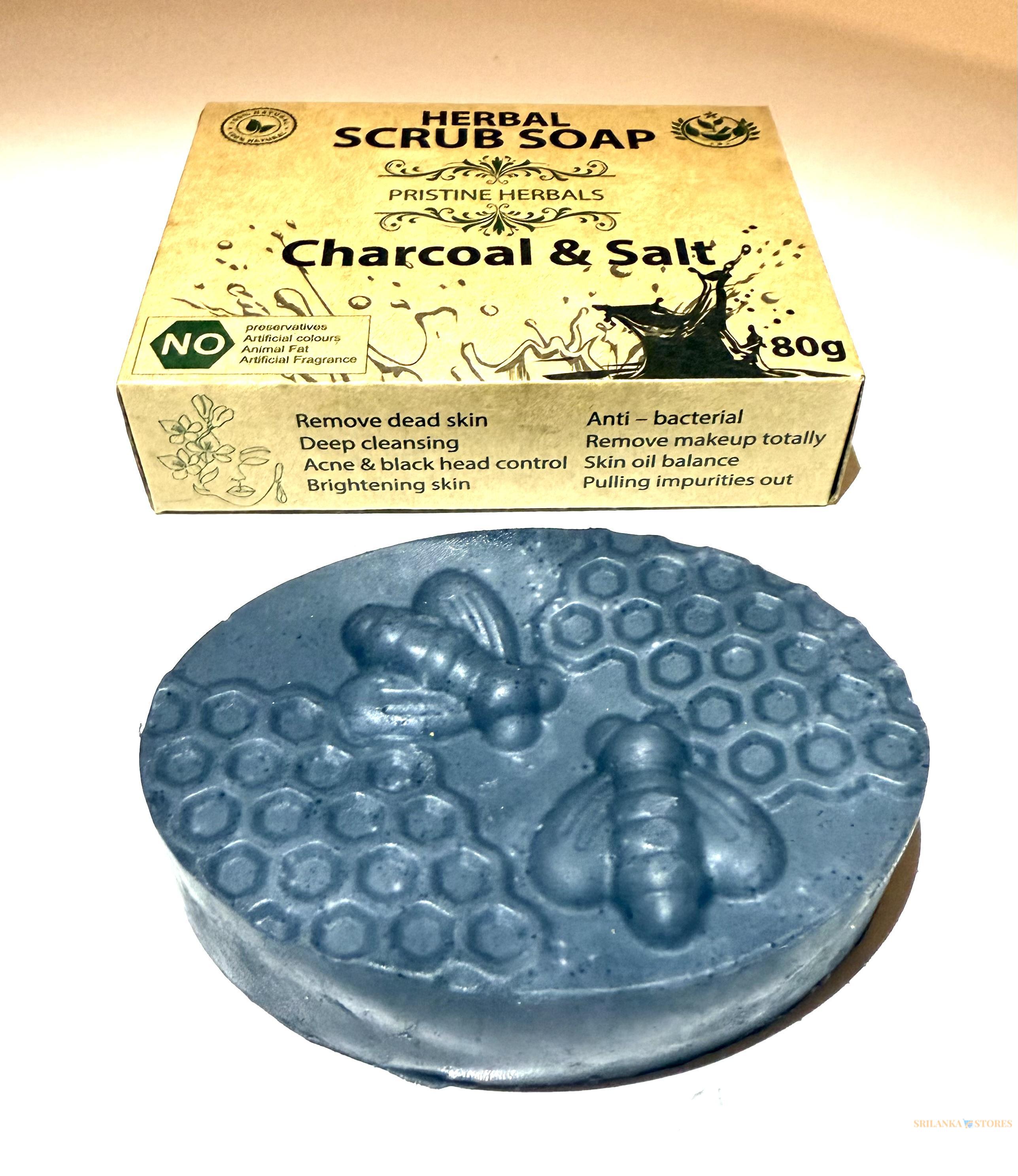
Product image: Pristine Herbal Scrub, listed in Sri Lanka Stores’ Ayurveda and Health & Beauty collections.
A product such as the Pristine Herbal Scrub demonstrates how Sri Lankan personal care can combine familiar natural materials with a handcrafted presentation. The listing identifies ingredients including activated charcoal, salt, coconut oil, sunflower oil, lye water, vitamin E, and natural fragrance.
Because charcoal and salt can provide a more pronounced cleansing or exfoliating feel, use products of this type according to the label. Avoid vigorous scrubbing, particularly on delicate or irritated areas.
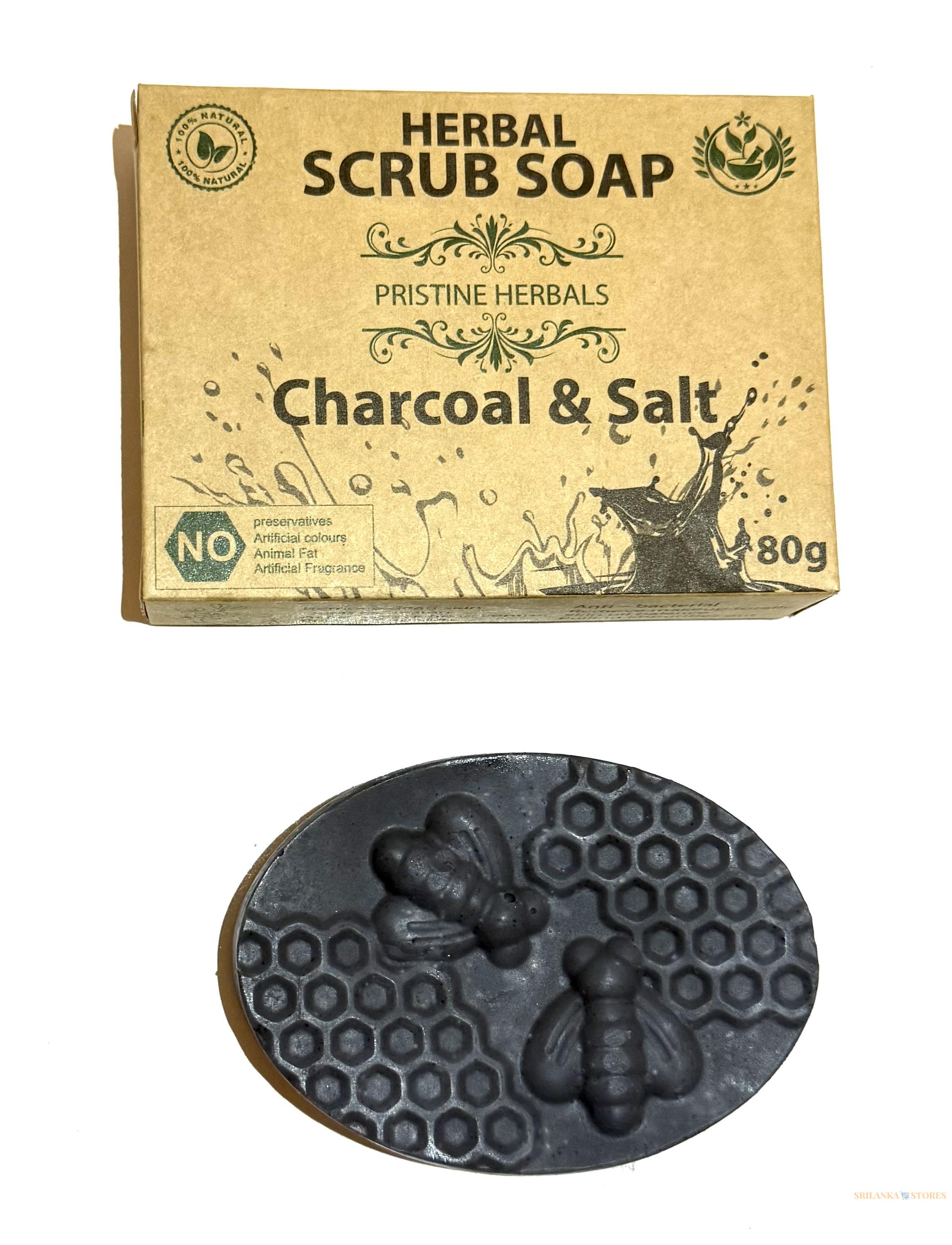
A traditional-looking texture does not replace practical care. Store the product correctly, use clean hands, and allow a bar or scrub to dry between uses.
When shopping for natural Sri Lankan beauty products, look for transparency rather than dramatic promises.
Authenticity is not defined only by Sinhala lettering, dark packaging, or the word “Ayurvedic.” It is also reflected in clear sourcing, accurate product information, and respect for traditional ingredients.
Sri Lanka Stores brings together products from Sri Lankan makers and sellers, helping customers overseas find niche personal-care items without searching across many separate marketplaces.
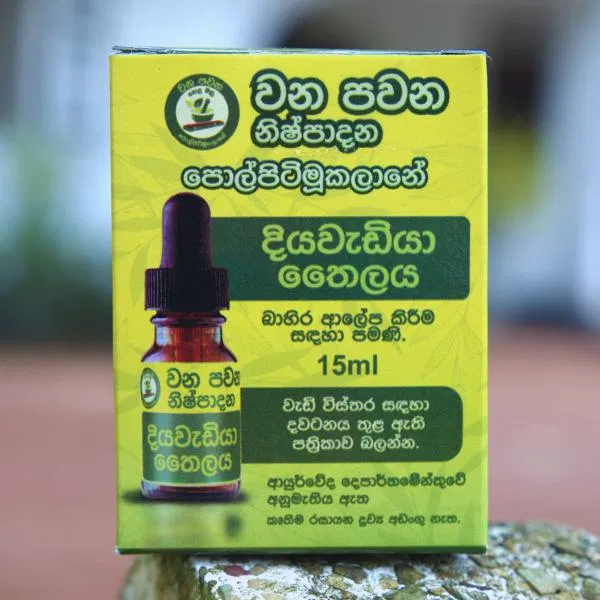
Herbal oils can be part of a calming body-care ritual, but their intended use varies. Some are made for massage, while others may be intended for a specific external application.
Before buying, check:
Keep oils tightly closed and store them away from direct sunlight, excess heat, and moisture. Do not transfer them into an unlabelled container, since you may lose important usage and batch information.
Packaging is part of the buying decision. Whenever possible, consider:
Soap bars need protection from moisture, but they also need airflow after opening. At home, use a draining soap dish and keep the bar away from standing water. This helps preserve its shape and reduces waste.
For businesses such as boutiques, gift shops, spas, and wellness retailers, individually packaged herbal soaps can be practical additions to curated Sri Lankan gift collections. Ask about wholesale quantities, shelf life, packaging formats, and shipping requirements before placing a larger order.
Whether you are reconnecting with familiar products from home or discovering Sri Lankan botanical traditions for the first time, shop with curiosity and care.
Use this checklist:
Sri Lanka Stores makes it easier to explore authentic Sri Lankan Ayurveda and natural beauty products from around the world, with worldwide shipping information available here.
A carefully chosen herbal soap is more than a cleanser. It can be a small, fragrant reminder of Sri Lanka’s vibrant plant life, timeless traditions, and the skilled hands behind each product. May your skincare ritual feel nourishing, thoughtful, and beautifully connected to home. 🌿