There is something instantly comforting about cinnamon tea: its gentle sweetness, floral warmth, and fragrant spice rising from the cup. In Sri Lanka, kurundu: the Sinhala word for cinnamon: has a long connection with craftsmanship, trade, food, and traditional wellness.
But not every “cinnamon tea” is the same.
If you are searching for Ceylon cinnamon tea benefits, the first step is understanding what makes true Ceylon cinnamon different from cassia. From botanical identity and coumarin content to packaging and sourcing, this guide will help you choose an authentic tea with confidence.
A helpful note: Ceylon cinnamon tea can be enjoyed as a flavorful herbal beverage, but it is not a replacement for medical treatment or prescribed medication.
Ceylon cinnamon comes from Cinnamomum verum, also known as Cinnamomum zeylanicum. It is commonly called “true cinnamon” and is strongly associated with Sri Lanka.
Cinnamon tea is usually a herbal infusion, meaning it is made from plant material steeped in hot water rather than from traditional tea leaves such as black, green, or white tea. As a result, a pure cinnamon infusion is generally naturally caffeine-free, although you should always check the label if the product includes other ingredients.
Authentic Ceylon cinnamon is known for:
The bark is carefully dried and rolled into quills, meaning slender layers of cinnamon bark formed into a stick-like roll. These quills can be used in loose infusions, while finely cut cinnamon is often packed into tea bags.

Cinnamon contains naturally occurring plant compounds, including polyphenols and aromatic oils. These compounds are one reason cinnamon has attracted interest in nutrition and wellness research.
However, the evidence needs to be understood carefully. Many studies examine cinnamon in general, without clearly separating Ceylon cinnamon from cassia. Some research also focuses on concentrated extracts or supplements rather than an ordinary cup of tea.
Ceylon cinnamon contains naturally occurring polyphenols, plant compounds that can contribute to antioxidant activity. Antioxidants help protect cells from oxidative stress as part of the body’s normal processes.
This does not mean that cinnamon tea prevents disease. It simply means that a cup of authentic cinnamon tea can be a flavorful way to include more plant-based compounds in your everyday routine.
The practical takeaway is simple:
For many people, the greatest benefit is daily enjoyment. A warm cinnamon infusion offers rich aroma and flavor without relying on artificial sweeteners or heavy additions.
It can be especially appealing when you want:
Cinnamon has been used traditionally in many cultures as a warming spice associated with digestion and comfort after meals. Early research and traditional use suggest that cinnamon may support digestive comfort, but high-quality human evidence remains limited.
If you experience persistent bloating, pain, reflux, or other symptoms, speak with a healthcare professional rather than relying on herbal tea alone.
Cinnamon is often discussed in relation to blood sugar and insulin sensitivity. Some small studies suggest that cinnamon may have modest effects, but results are mixed, and the cinnamon species, dose, preparation, and study design vary considerably.
The National Center for Complementary and Integrative Health (NCCIH) notes that research does not clearly support using cinnamon for a specific health condition. Cinnamon tea should therefore be viewed as a supportive beverage: not a treatment for diabetes or any other medical condition.
One of the most important differences between Ceylon cinnamon and cassia is coumarin, a naturally occurring aromatic compound.
Cassia cinnamon typically contains much more coumarin than Ceylon cinnamon. High, prolonged exposure to coumarin may be a concern for the liver, particularly for sensitive individuals. By contrast, Ceylon cinnamon generally contains very little or only trace amounts.
This is why choosing authentic Ceylon cinnamon can be especially relevant if you enjoy cinnamon tea regularly.
The German Federal Institute for Risk Assessment explains that:
This distinction does not make every Ceylon product automatically medicinal or risk-free. Product quality, serving size, personal health, and preparation still matter.
| Feature | Ceylon cinnamon | Cassia cinnamon |
|---|---|---|
| Botanical name | Cinnamomum verum | Several species, including Cinnamomum cassia |
| Common description | True cinnamon | Common cinnamon type |
| Appearance | Multiple thin layers rolled together | Usually thicker, harder bark |
| Flavor | Delicate, floral, lightly citrusy | Strong, hot, woody, intense |
| Coumarin | Very low or trace amounts | Usually much higher |
| Best buying clue | Clearly labeled Ceylon or C. verum | May simply say “cinnamon” |
Appearance can provide useful clues, but a label with botanical and geographic information is more dependable than appearance alone.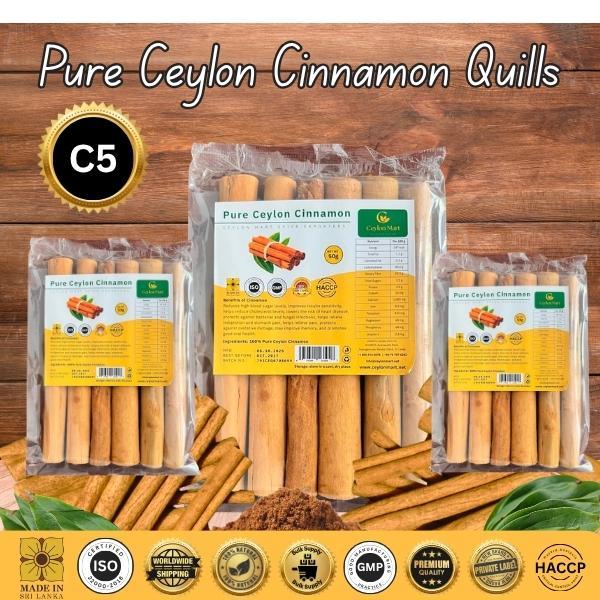
A beautiful package does not always tell you enough about the ingredients. Before buying, check the details carefully.
The clearest identifiers are:
If the label only says “cinnamon” without identifying the species, you may not know whether it contains Ceylon cinnamon or cassia.
For an authentic Sri Lankan product, look for:
Geographic information is especially meaningful when you are buying for cultural authenticity, gifting, retail, or wholesale.
For a pure cinnamon herbal tea, the ingredient list should be straightforward. Look for:
Be cautious with vague “cinnamon flavor” wording if your goal is a true cinnamon infusion.
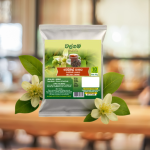
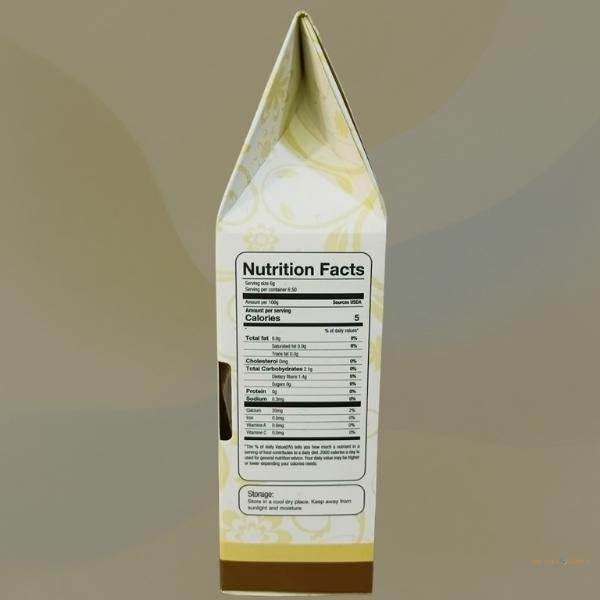
Certifications and manufacturing information can add confidence. The Ceylon Cinnamon Herbal Tea Box from Sri Lanka Stores is listed as containing 12 tea bags, 24g, made from 100% pure Sri Lankan cinnamon. Its product information also lists Made in Sri Lanka recognition and manufacturing standards including GMP, HACCP, and FSMS ISO 22000.
Both formats can offer an authentic cinnamon experience, but they suit different routines.
Choose quills if you value:
The layered structure of a Ceylon quill is also one of the clearest visual clues that you are looking at true cinnamon rather than a thick, single-layer cassia curl.
Tea bags are ideal when you want:
A well-packed tea bag can preserve the aromatic character of cinnamon while making the experience simple. Sri Lanka Stores helps bridge the distance between Sri Lankan producers and customers worldwide, whether you are buying one box for your home or exploring bulk options for a business.
Food-level cinnamon is generally considered safe for most people. However, you should ask a doctor, pharmacist, dietitian, or other qualified healthcare professional before using cinnamon regularly in large amounts or taking concentrated products if you:
Watch for signs of sensitivity such as mouth irritation, rash, stomach discomfort, or breathing difficulty. Stop using the product and seek medical advice if symptoms are severe or unexpected.
Most importantly, do not change diabetes medication or any other prescribed treatment because of claims made about cinnamon tea.
The best Ceylon cinnamon tea is not simply the product with the boldest claims. It is the one that offers clear identity, honest labeling, authentic Sri Lankan sourcing, and a flavor you genuinely enjoy.
Use this checklist before buying:
For a convenient starting point, explore the Ceylon Cinnamon Herbal Tea collection at Sri Lanka Stores, including authentic Sri Lankan options for personal enjoyment and business purchasing.
Ceylon cinnamon tea brings together vibrant Sri Lankan heritage, intricate craftsmanship, gentle aroma, and everyday comfort. Its naturally low coumarin profile compared with cassia is an important reason many shoppers look for true Ceylon cinnamon, while its antioxidant compounds make it an interesting addition to a balanced lifestyle.
Choose carefully. Read the label. Enjoy the warmth.
May every cup bring you a little comfort, a connection to Sri Lanka, and a shared appreciation for the timeless work of its cinnamon growers and makers. 🌿