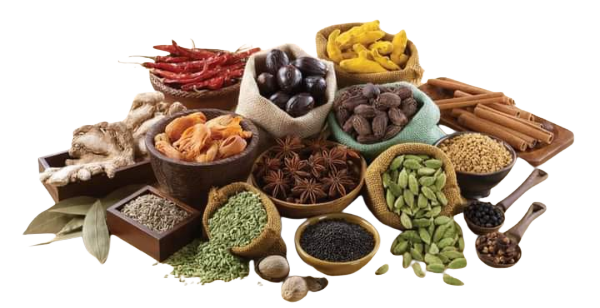
Sri Lankan spices bring warmth, colour, fragrance, and depth to your pantry. From delicate Ceylon cinnamon to bold black pepper, each spice has its own character: and each deserves thoughtful storage.
If you are learning how to store Sri Lankan spices, the most important rule is simple: protect them from air, moisture, light, heat, and time. With the right containers and a practical rotation system, you can keep your spice cupboard vibrant and aromatic for longer.
This guide covers the complete Sri Lankan spice pantry, whether you shop locally, order from overseas, or buy in larger quantities for a restaurant, grocery store, or gift business.
A well-organised spice cupboard does not need to be complicated. Aim for four conditions:
Spices contain volatile oils, meaning aromatic compounds that evaporate gradually when exposed to air and heat. Once these oils fade, the spice may still be safe to use, but its flavour becomes quieter and less expressive.
For broader pantry-care advice, the Sri Lanka Stores spice collection brings together authentic products sourced from Sri Lankan producers and suppliers.
The form of a spice makes a significant difference to its storage life.
Whole spices have less surface area exposed to air, so they generally retain their aroma longer. Ground spices are more convenient, but their fine texture allows flavour compounds to escape more quickly.
| Spice form | Sri Lankan examples | Best-flavour period* |
|---|---|---|
| Whole spices | Cinnamon quills, cardamom pods, peppercorns, cloves, mustard seeds and dried chillies | Approximately 2–3 years |
| Ground spices | Cinnamon powder, turmeric powder, chilli powder and ground pepper | Approximately 6–12 months |
| Blended powders | Roasted curry powder, raw curry powder and other spice blends | Approximately 6–12 months, depending on the blend |
*These are practical quality guidelines, not strict safety deadlines. Always follow the product’s best-before information and inspect the spice before use.
When possible, choose whole spices for your longer-term supply and keep smaller amounts of ground spices for everyday use.
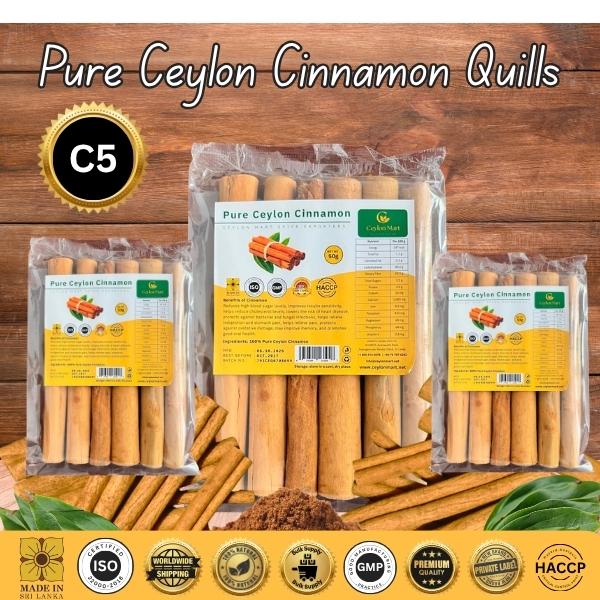
Ceylon cinnamon is prized for its refined, gently sweet aroma and delicate layered quills. Whether you buy whole quills, quillings, or powder, storage affects how much of that fragrance remains.
Store cinnamon quills or quillings in:
Keep the container in a cool, dark cupboard. Whole cinnamon is more durable than cinnamon powder, but it can still absorb surrounding odours and moisture.
You can explore Ceylon cinnamon quills or C4 Grade Ceylon Cinnamon Quills for whole-spice pantry storage.
Ground cinnamon should be kept in a smaller container with very little empty space. Close the lid immediately after each use, and always use a dry spoon.
If the powder smells flat, dusty, or faintly musty, its best flavour may have passed. For a convenient everyday option, see the Ceylon cinnamon powder selection.
Cardamom is highly aromatic, with a fresh, floral fragrance that fades quickly once the seeds are exposed.
For the longest-lasting flavour:
The outer pod provides a natural layer of protection. Once opened or ground, cardamom should be checked more frequently for aroma and colour.
Black pepper and white pepper are pantry essentials in many Sri Lankan households. Whole peppercorns generally preserve their warm, lively aroma longer than ground pepper.
Store whole peppercorns in:
A pepper mill or grinder can help you keep a smaller working supply while storing the remainder securely. You can also compare Sri Lankan black pepper seeds with black pepper powder when planning your pantry.
Fresh peppercorns should smell warm, sharp, and recognisably peppery. If the aroma is almost impossible to detect, the pepper has likely lost much of its character.
Turmeric powder is naturally vivid, golden, and earthy. Its colour can gradually become dull when exposed to light, air, or heat.
For best storage:
A faded colour does not always mean the turmeric is unsafe, but it can indicate declining freshness. A strong earthy aroma and bright golden tone are useful quality signs. The Premium Ceylon Turmeric Powder is a convenient option for refreshing your spice cupboard.
Sri Lankan curry powders are carefully balanced blends. Roasted curry powder has a deeper, toastier aroma, while raw curry powder is lighter and more fragrant. Because they contain multiple ground spices, their combined aroma can fade faster than a whole spice.
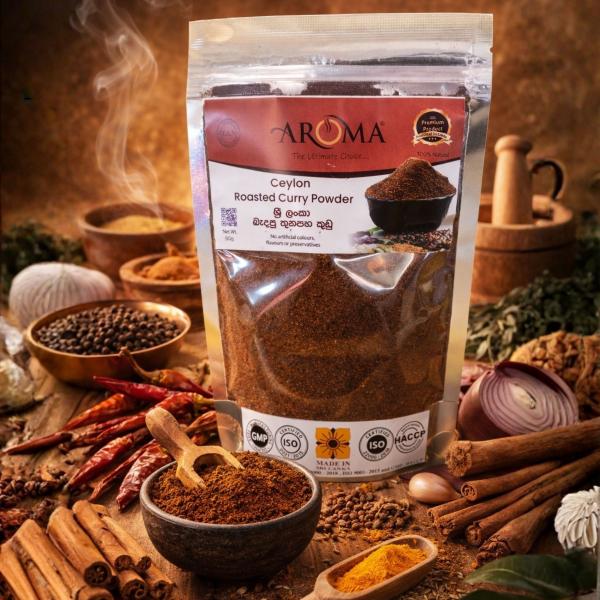
Store curry powders in:
Do not keep a large open bag beside the stove. Instead, fill a small daily-use jar and reseal the remaining supply immediately. This reduces repeated exposure to air and humidity.
For authentic pantry staples, browse the Roasted Curry Powder, Raw Curry Powder, and Premium Ceylon Curry Powder.
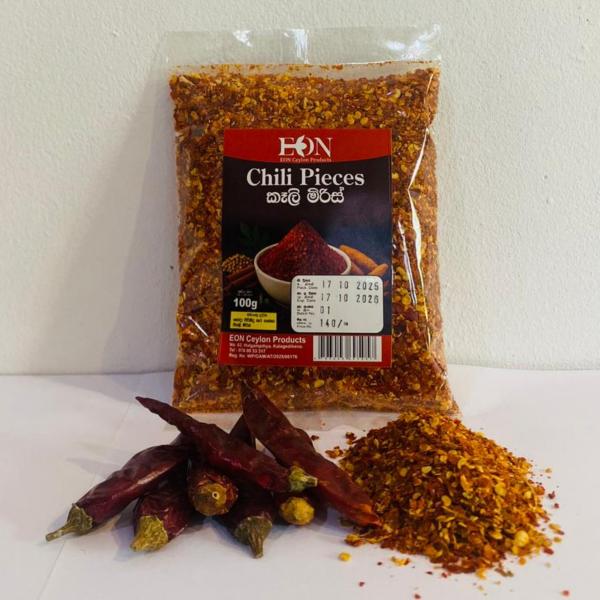
Whole dried chillies, chilli pieces, and chilli powder all need protection from dampness.
Keep dried chillies:
Dried chillies should have a clear, natural aroma and an appealing red colour. Discard them if you see mould, unusual dampness, insect activity, or an off smell. A little fading may indicate age, while visible mould or spoilage is a reason not to use them.
See the Premium Ceylon Chilli Pieces and Premium Ceylon Chilli Powder options for authentic Sri Lankan pantry supplies.
The best location is usually a closed cabinet or drawer several feet away from the stove.
Avoid storing spices:
A drawer can be especially helpful because it keeps jars dark and allows you to store them upright. If you use clear glass jars, darkness becomes even more important.
For most everyday spice supplies, refrigeration is unnecessary. Temperature changes can create condensation when a cold container is opened in a warm kitchen, introducing moisture into the spice.
If you purchase a large quantity for a business or seasonal supply, divide it into tightly sealed portions before considering cold storage. Allow a sealed container to return to room temperature before opening it.
A beautiful spice cupboard is most useful when you can quickly identify what needs to be used first.
Label each container with:
Use FIFO, or “first in, first out,” by placing older stock at the front and newer purchases behind it.
Once a month, check for:
A dry, compact clump may sometimes be broken apart, but a damp, musty, or mouldy product should be discarded.
If you live outside Sri Lanka, authentic spices may travel a long way before reaching your pantry. Once your order arrives, store unopened products according to their packaging instructions and transfer opened products only when necessary.
For personal shoppers:
For restaurants, grocers, gift shops, and importers:
Sri Lanka Stores helps connect worldwide shoppers and businesses with a curated range of authentic Sri Lankan products, including spices sourced through Sri Lankan suppliers and made available for international delivery.
Every few months, remove all your spice containers and inspect them together. Wipe the shelf, check seals, compare dates, and bring older products to the front.
This small ritual protects your investment and keeps the fragrance of Sri Lankan spices at the centre of your pantry.
Fresh spices speak clearly. Cinnamon smells warm and elegant. Cardamom feels floral and bright. Pepper is lively. Turmeric is earthy and golden. Curry powder is layered and deeply aromatic.
Store them well, and those timeless qualities can remain part of your kitchen for many memorable moments.
May your pantry stay vibrant, fragrant, and connected to the rich heritage of Sri Lanka( wherever you are in the world. 🇱🇰)