If you have ever tasted a Sri Lankan Pol Sambol (coconut sambol) or a spicy Lunu Miris and wondered why it had such a profound, savory depth that you couldn't quite replicate at home, you’ve likely encountered the "secret weapon" of the island’s kitchen: Maldive fish chips.
Known locally in Sinhala as Umbalakada and in Tamil as Maasi, these small, unassuming flakes are the backbone of Sri Lankan cuisine. They aren't just an ingredient; they are a concentrated umami bomb that transforms simple vegetables and sambols into culinary masterpieces. In this guide, we’ll dive deep into what these chips are, how they are made, and: most importantly: how you can use them to elevate your own cooking to authentic heights.
What Exactly are Maldive Fish Chips?
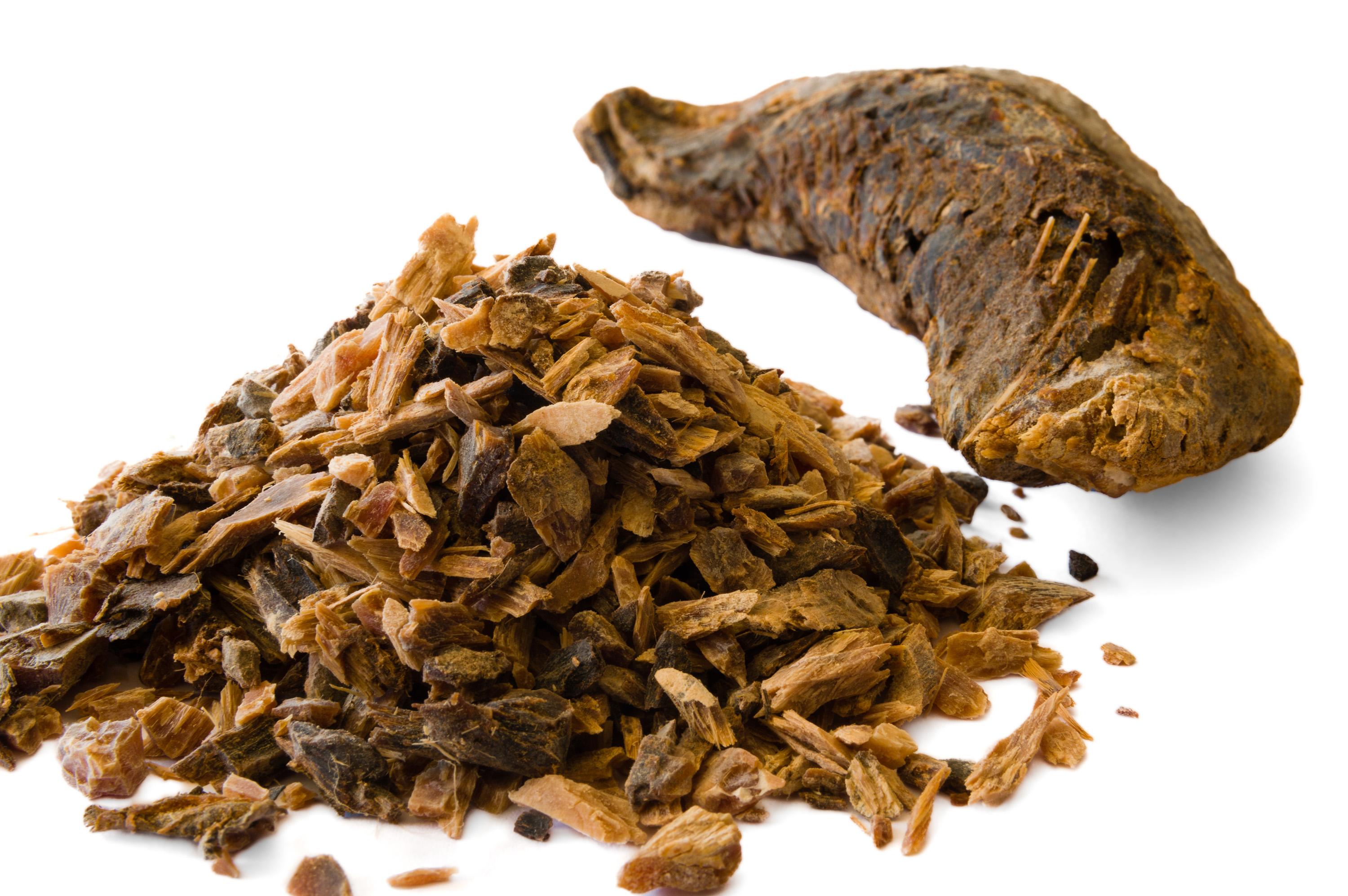
At first glance, Maldive fish chips look like small, dark wood chips or coarse shavings. However, they are actually made from Skipjack tuna (Katsuwonus pelamis) that has been cured through a rigorous traditional process.
In their whole form, the fish becomes so hard and dense that it is often described as being "as hard as a stone." These blocks are then chipped or flaked into the small pieces you find in your pantry.
Flavor Profile: A complex blend of salty, smoky, and intensely savory (umami).
Texture: Hard and crunchy when dry, but they soften slightly and release their essence when mixed into moist sambols or simmered in curries.
Purpose: Much like fish sauce in Thai cooking or parmesan cheese in Italian cuisine, Umbalakada acts as a natural flavor enhancer, providing a savory backbone that balances the heat of chilies and the creaminess of coconut milk.
From Ocean to Pantry: The Traditional Craft
The production of authentic Maldive fish is a time-honored craft that relies on the natural elements of the Indian Ocean. While the process has been modernized in some commercial settings, the traditional method remains the gold standard for quality.
Preparation: Freshly caught Skipjack tuna is gutted, boned, and cleaned.
Boiling: The fish is boiled in a brine of salt water. This step is crucial for preservation and begins the flavor development.
Smoking: The boiled fish is smoked over wood fires. This imparts the signature smoky aroma and further dehydrates the meat.
Sun-Drying: Finally, the smoked fish is laid out under the tropical sun for several days until it becomes rock-hard. This intense drying concentrates the flavors and ensures a shelf life that can last for years.
Chipping: Once cured, the blocks are broken down into chips or flakes, making them easier for you to use in daily cooking.
At Sri Lanka Stores, we take pride in sourcing authentic Maldive fish chips directly from traditional producers who respect these ancient methods, ensuring you get that true island flavor in every bag.
The Holy Trinity of Sambols
While you can add Umbalakada to almost any savory dish, it is absolutely essential for the three most iconic Sri Lankan sambols. Without it, these dishes lose their soul.
1. Pol Sambol (Coconut Sambol)
The ultimate Sri Lankan staple. Freshly scraped coconut is ground with dried red chilies, red onions, lime juice, and a generous handful of Maldive fish chips. The fish adds a savory crunch that cuts through the richness of the coconut. 🥥
2. Lunu Miris (Onion and Chili Sambol)
A fiery condiment often served with Kiri Bath (milk rice). It consists of red onions, chili flakes, and salt. The addition of pounded Maldive fish creates a thick, paste-like consistency and a deep savoriness that balances the sharp heat.
3. Seeni Sambol (Caramelized Onion Relish)
A sweet and spicy onion relish. Here, the chips are slow-cooked with caramelized onions, sugar, and tamarind. The fish flakes absorb the sweet and sour juices, becoming little nuggets of concentrated flavor.
Pro Tips for Using Maldive Fish Chips
If you are new to using Umbalakada, here are a few expert tips to help you get the most out of this ingredient:
Toast for Fragrance: Before adding them to a dish, try dry-toasting the chips in a pan over medium heat for 1–2 minutes. This awakens the smoky oils and makes them even more aromatic.
The Power of the Pound: For sambols, it is best to pound the chips in a mortar and pestle. You don’t want a fine powder; aim for a coarse, gritty texture. This allows the fish to distribute its flavor while still providing a slight textural contrast.
A Little Goes a Long Way: Because they are so concentrated, you only need a tablespoon or two for a whole bowl of sambol. Start small and adjust to your taste.
The Curry Thickener: Did you know? In many rural Sri Lankan households, finely ground Maldive fish is used as a natural thickener for vegetable curries, adding protein and depth simultaneously.
Substitution and Storage
Can you substitute Maldive fish?
Truthfully, there is no perfect 1:1 replacement for the unique smoky-hard texture of Umbalakada. However, if you are in a pinch:
Japanese Bonito Flakes (Katsuobushi): These are made from the same fish and have a similar smoky flavor, but they are much thinner and softer. Use them as a garnish rather than a pounded ingredient.
Dried Shrimp: This provides umami and saltiness, though the flavor profile is distinctly "shrimpy" rather than "meaty."
Storage Tips
Because Maldive fish is so heavily cured and dried, it has an excellent shelf life.
Keep it Dry: Moisture is the enemy. Store your chips in an airtight container.
Cool and Dark: A pantry shelf away from the stove is perfect.
Longevity: Properly stored, they can stay fresh and flavorful for 6–12 months.
Recipe: Authentic Sri Lankan Fried Chili Paste
This versatile chili paste is a favorite accompaniment for fried rice, noodles, or even just spread on a piece of crusty bread. The Maldive fish chips provide the essential "crunch" and savory kick.
Ingredients:
100g Red Chili Flakes
3 tbsp Maldive Fish Chips (lightly crushed)
2 tbsp Dried Shrimp (optional, for extra depth)
1/2 cup Coconut Oil (or vegetable oil)
1 medium Red Onion, very finely chopped
3 cloves Garlic, minced
1 tbsp Ginger, minced
2 tbsp Sugar (adjust to your preference)
1 tsp Salt
1 tbsp Soy Sauce (optional, for a modern twist)
Instructions:
Prepare the Seafood: Pulse your Maldive fish chips and dried shrimp in a blender or pound them in a mortar until they are small flakes (not powder).
Sauté Aromatics: Heat the oil in a pan over low heat. Add the onions, garlic, and ginger. Fry gently until they are soft and golden.
Fry the Fish: Add the Maldive fish and shrimp to the oil. Fry for 3–4 minutes until they are crisp and fragrant.
The Chili Phase: Turn the heat to the absolute lowest setting. Add the chili flakes. Stir constantly for about 1 minute: be careful not to burn the chili, or it will turn bitter!
Season: Stir in the sugar, salt, and soy sauce. The sugar will melt and create a beautiful glossy sheen.
Cool and Store: Let the paste cool completely in the pan. Transfer to a clean glass jar. Ensure there is a thin layer of oil on top to preserve it.
Bring the Taste of Sri Lanka to Your Kitchen
Whether you are a seasoned chef or a home cook looking to explore new horizons, Maldive fish chips are an essential addition to your pantry. They represent centuries of tradition and the true, bold spirit of Sri Lankan island flavors.
Ready to start your umami journey? Visit our Grocery Section to stock up on authentic, premium-grade Umbalakada and other essential spices.
Happy cooking, and may your sambols always be vibrant and full of flavor! 🇱🇰