Sri Lankan Ayurveda is more than a collection of oils, teas and herbal preparations. It is part of a living wellness heritage, shaped by generations of local knowledge, plants and everyday routines. If you are curious about ayurvedic products sri lanka is known for, this guide will help you understand the main categories, what to look for when shopping, and how to explore authentic products from wherever you live.
A note on history: Sri Lanka’s traditional health heritage includes several local systems and influences. Ayurveda has been established on the island for centuries, alongside indigenous traditions such as Deshiya Chikitsa. Sri Lankan indigenous medicine. The traditions are often described in broad, long historical terms; their history is layered, and no single date captures every practice. The Department of Ayurveda shares more about the island’s work to preserve and regulate these traditions.
The phrase Sri Lankan Ayurveda can refer to a broad tradition of wellness practices and products, rather than one uniform type of item. Products may be used as part of personal-care routines, enjoyed as herbal beverages, or prepared according to a traditional system.
You may encounter words such as thailaya, oil, and mal, flower, in product names or descriptions. These terms offer a glimpse into the ingredients and heritage behind a product, but they do not replace reading the label or checking how an item is intended to be used.
The island’s traditional health landscape includes Ayurveda and local indigenous knowledge. For background on government policy and preservation, see the Department of Ayurveda’s overview of traditional medical systems.
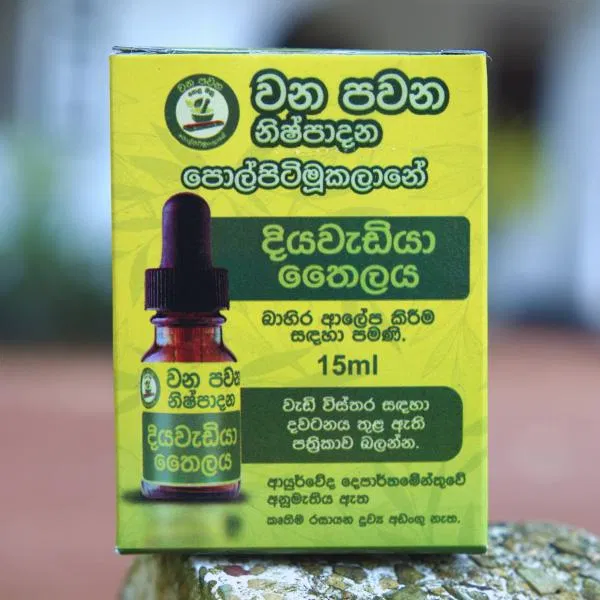
Herbal oils are among the most familiar Ayurvedic products from Sri Lanka. Depending on the product, they may be intended for massage, hair care or other external-use routines. Formulations and directions vary, so check the label carefully and use the product only as directed.
Browse the Sri Lanka Stores Ayurveda collection to see products such as herbal massage oil and Ayurvedic hair oil.
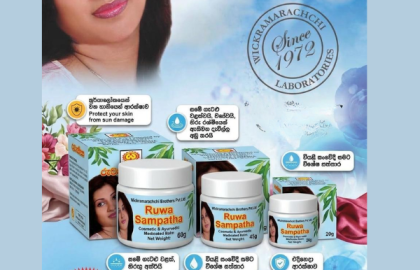
Balms are compact preparations commonly used in personal-care routines. Ingredients, fragrance, texture and directions differ by maker. Before using a balm, check whether it is intended for external use, review its ingredients, and follow the package instructions.
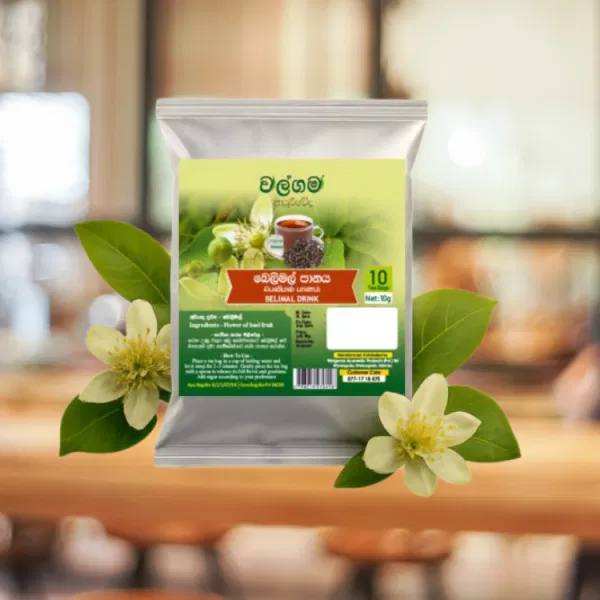
Herbal drinks bring familiar Sri Lankan botanicals into a simple daily ritual. Belimal is made with bael flowers; the Department of Agriculture identifies bael as Aegle marmelos. Iramusu commonly refers to Hemidesmus indicus, a plant whose roots are used in traditional preparations. Learn more about bael from Sri Lanka’s Department of Agriculture and the Iramusu drink research record.
These drinks are part of a cultural and culinary heritage, but they should not be treated as a substitute for medical care or as a promise of a health outcome. If you are pregnant, taking medication, managing a health condition or unsure whether an herbal drink suits you, ask a qualified healthcare professional first.

Herbal teas and plant powders offer different ways to explore traditional ingredients. Some are prepared as infusions; others may be intended for a different use. Check the ingredient list, serving or use instructions, and storage guidance. Avoid assuming that a powder is food-safe simply because it is plant-based.
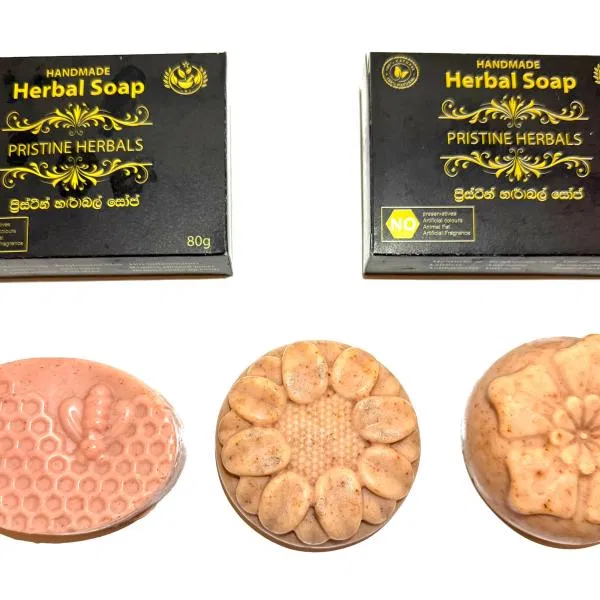
Soaps and scrubs are typically chosen for bathing and skincare routines. Look for a clear ingredient list, directions, and any relevant cautions, especially if your skin is sensitive. For a new topical product, consider testing a small area of skin first and stop using it if irritation occurs.
Tradition often lives in small, repeated moments: a fragrant oil used during a self-care routine, a warm herbal drink shared at home, or a handmade soap selected for its ingredients. These everyday practices can connect people to family memories and local craftsmanship, including for Sri Lankans living far from the island.
You do not need to know every botanical name to explore these products. Start with what interests you (perhaps an herbal tea, a soap or a personal-care oil) and learn about its ingredients and intended use as you go.
Pro tip: Keep a simple note of new products you try, including the ingredient list and how you used them. This can make it easier to spot ingredients that suit your preferences or that you may wish to avoid.
A beautiful package or a traditional-sounding name can spark interest, but thoughtful shopping starts with the product details. Use this checklist:
Sri Lanka’s Department of Ayurveda provides application forms for product registration and related approvals and publishes information on Ayurveda product regulations. These are useful references for understanding that product oversight matters. If you need advice about a health concern, speak with a qualified practitioner rather than relying on a product description.
Shopping online can make it easier to find products that are difficult to source locally, whether you are a Sri Lankan expatriate, a curious tea drinker or a retailer exploring new stock. A specialist marketplace can also bring products from multiple Sri Lankan makers together, saving you time as you compare categories and labels.
At Sri Lanka Stores, you can explore a curated range of Ayurveda products, including oils, herbal drinks and personal-care items. Check each listing for product-specific information, packaging size and directions. For details about international delivery, visit the store’s shipping information.
Pro tip: If you are ordering for a shop, spa or other business, contact the seller or marketplace to confirm available quantities, packaging and any documentation you need before placing a bulk order.
From aromatic oils and balms to belimal, iramusu, soaps, scrubs and herbal powders, Sri Lankan Ayurveda products reflect a vibrant heritage of plants, knowledge and craft. The best place to begin is with curiosity, and with careful attention to ingredients, instructions and product details.
Whether you are reconnecting with a familiar tradition or discovering it for the first time, may your exploration be thoughtful, enjoyable and rooted in respect for the people and heritage behind each product.